Castle Rock Water Damage Restoration
A spreading puddle can become a wall and flooring problem before its source is obvious. Castle Rock restoration starts with finding the water path, removing the release and checking materials that hide moisture.
(888) 532-8620Discuss the water inside the propertyWet rooms need a clear sequence: safe access, source control, extraction and measured drying progress.
Cleanup shaped around the source and materials
A tank spill, a sewage backup and rain through a roof require different decisions. Choose the affected area below for practical details about removal, material access and drying.

Water Extraction and Removal
Standing water removal reaches edges and connected rooms, with equipment selected for depth, access and the condition of affected materials.
Slab Leak Water Damage
Moisture rising beside a concrete floor needs investigation beneath finishes. Underfloor repair access and drying boundaries are planned around the actual leak.

Sewage Backup Cleanup
Wastewater calls for an isolated work area, careful removal of affected porous materials and cleaning before drying equipment circulates air through the space.

Burst Pipe Water Damage
A sudden pipe release can feed several rooms. Cleanup follows the escape route through wall bases, flooring transitions and any lower ceiling cavities.
Storm and Flood Cleanup
Runoff carries more than water indoors. Debris, entry points and wet assemblies determine the cleanup sequence after conditions allow access to affected rooms.
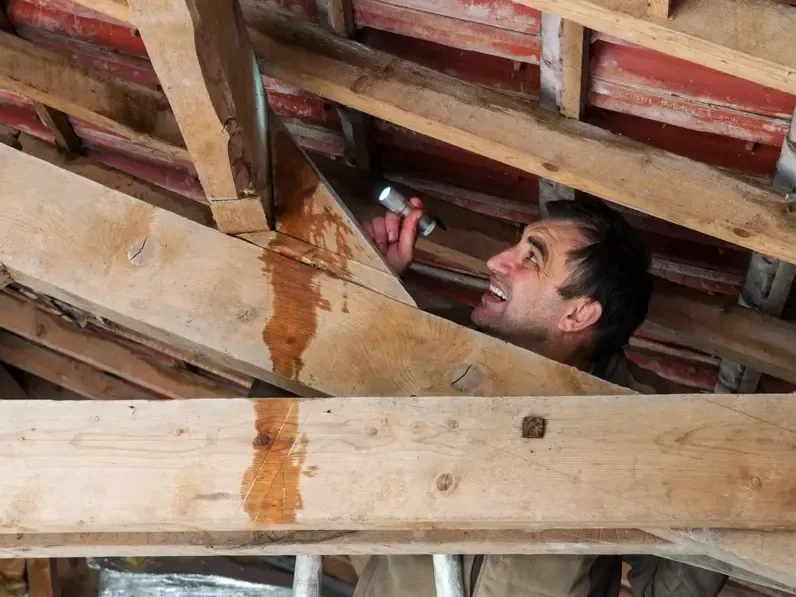
Roof Leak Water Damage
Rain entering overhead may travel along framing before appearing indoors. Ceiling and attic inspection connects the visible mark with the larger drying area.

Ceiling Leak Water Damage
A stained ceiling needs checks above the paint. Wet insulation, weakened drywall and nearby wiring shape decisions about access and safe material removal.
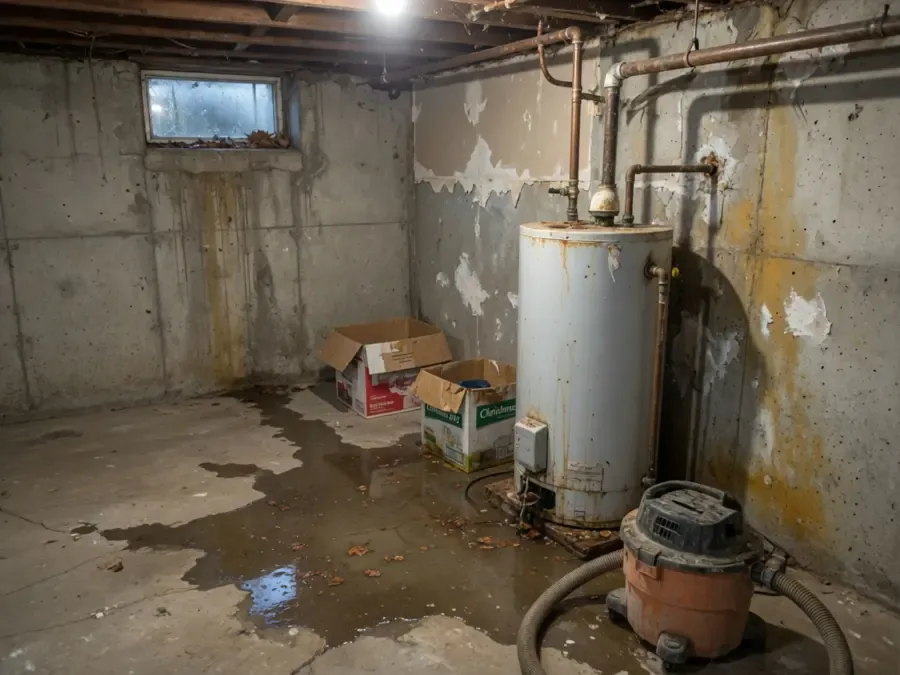
Water Heater Leak Cleanup
A leaking tank can soak the platform and neighboring flooring. Extraction and drying address the spill while equipment repair remains a separate task.
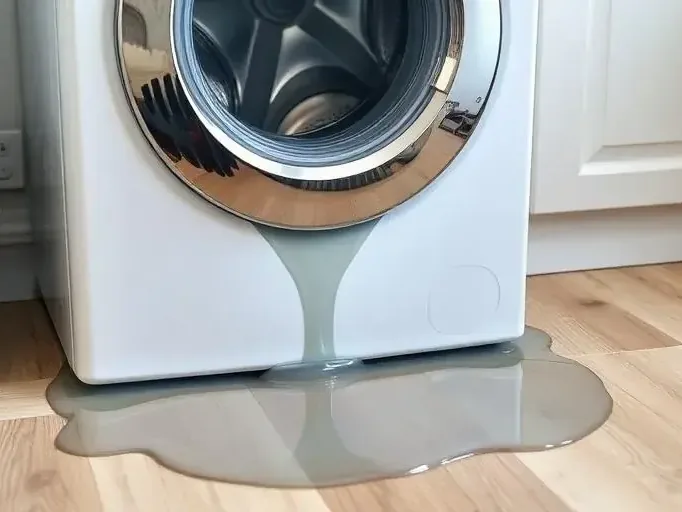
Appliance Leak Water Damage
Water beneath appliances can disappear under cabinets. Cleanup includes hidden edges and adjacent flooring beyond the visible puddle.
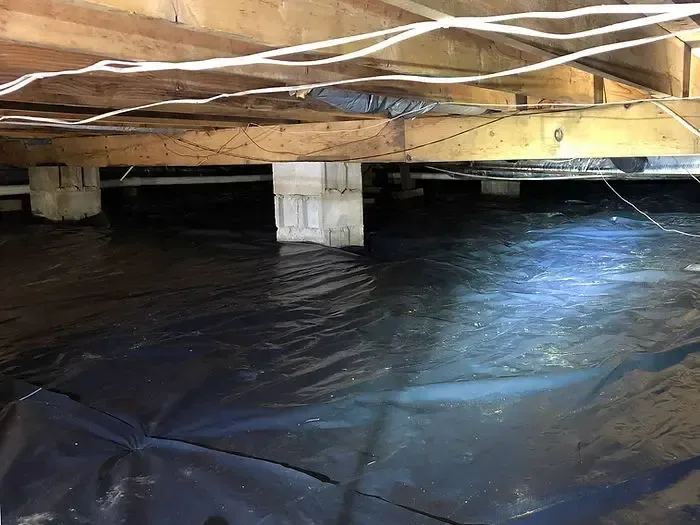
Crawl Space Water Removal
Underfloor standing water requires suitable access and inspection of framing, insulation and ground coverings before a drying plan can be established for that space.

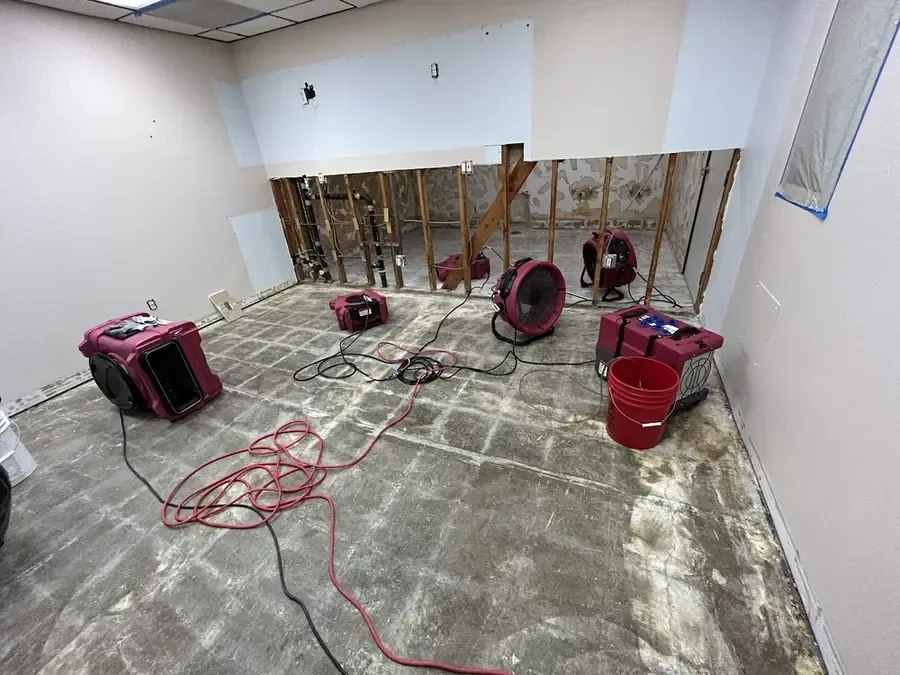
Structural Drying
Moisture readings identify what still needs attention after extraction. Airflow and humidity control are adjusted to the response of each affected building assembly.
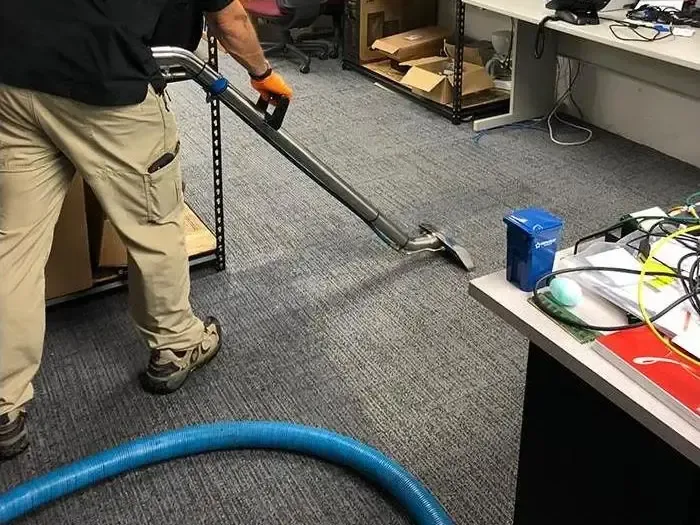
Commercial Water Damage
Business losses need clear work boundaries and protected access. Water removal and drying plans account for occupied rooms, stored contents and interruption to operations.

Frozen Pipe Water Damage
Thawing can reveal a split that stayed hidden during cold weather. The release point and nearby cavities need checking before normal water use resumes.

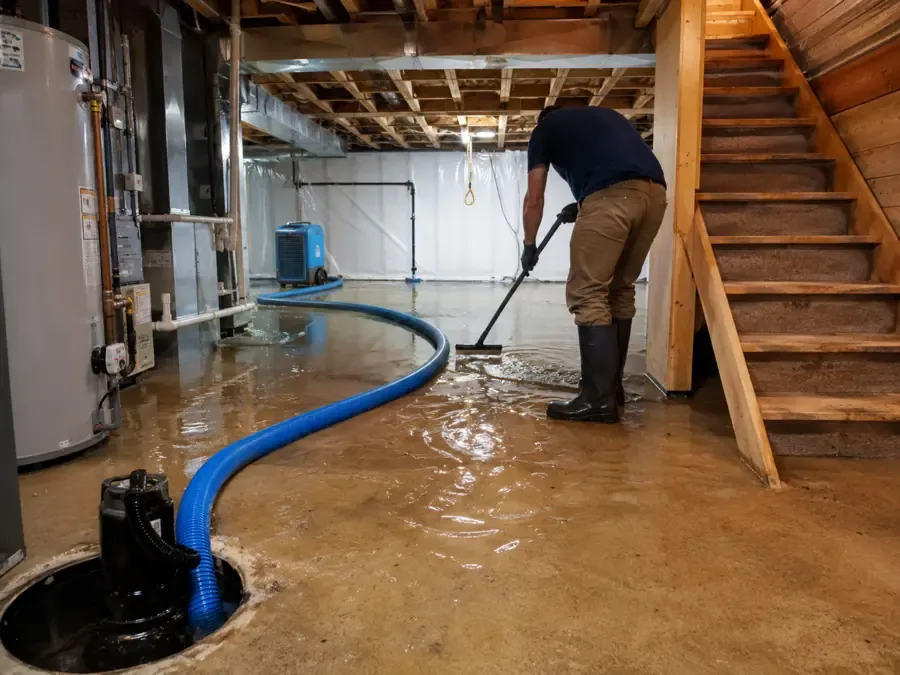
Basement Water Removal
Lower rooms can retain water beneath finishes and stored belongings. Removal plans consider depth, source, electrical exposure and the condition of stairs and exits.
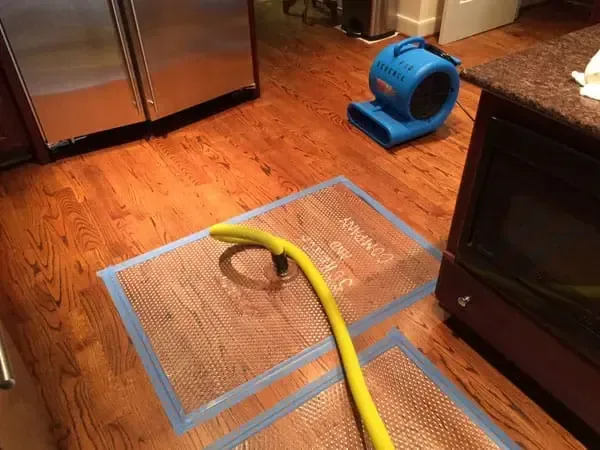
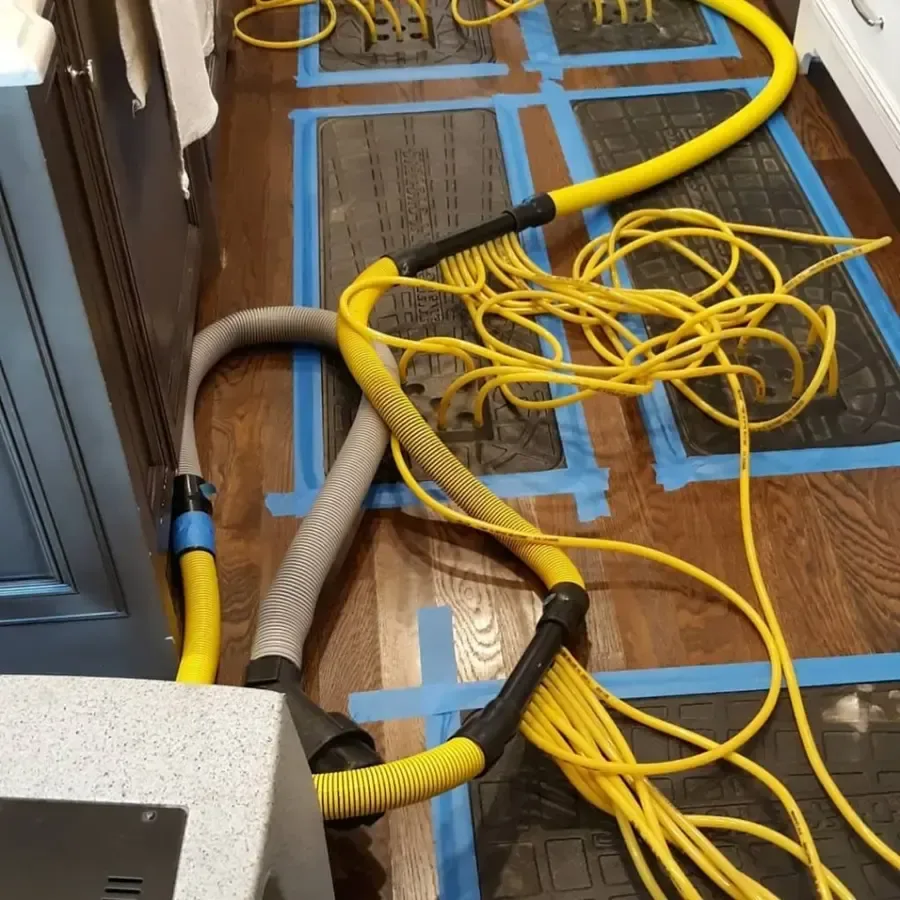
Hardwood Floor Water Damage
Cupped boards need measurements above and below the finish. Drying progress helps determine whether boards can remain or require removal before floor repairs.
Decisions follow the changing moisture picture
Removal starts the process, but dry looking surfaces are only a checkpoint. The plan develops as hidden layers become accessible and repeated measurements show how the building responds.
Inspection before placement
Tracked material response
Documented completion condition
The sequence behind a measured dry-out
Identify the release
The starting point is the water source and its current status. A supply leak, overhead entry and drain overflow require different controls before cleanup expands.
Expose the affected layers
Checks beneath edges and inside appropriate openings reveal where water remains. Access should be purposeful, preserving materials that can stay while reaching those needing attention.
Manage moisture movement
Extraction, directed air and humidity control work together. Equipment placement changes when readings reveal a stubborn cavity, a dense material or an overlooked wet edge.
Check before reconstruction
Final moisture information and material decisions belong in the closeout record. Repairs can then address the actual affected area with fewer unanswered questions behind new finishes.
Castle Rock neighborhoods and corridors
Locations that help identify access
Town ZIP codes
Other service areas
Describe the entrance and affected level
The Meadows and Downtown Castle Rock offer useful starting points when describing a property. The entrance, parking access and affected floor make the cleanup request more specific.
For a property near Founders Parkway or Elbert Street, the caller should describe access restrictions and the water source. The crew then explains scheduling and the first inspection steps.
(888) 532-8620Check access for the affected propertyCastle Rock, CO · [email protected]
Explore the restoration service detailsWater removal and drying across different interior spaces
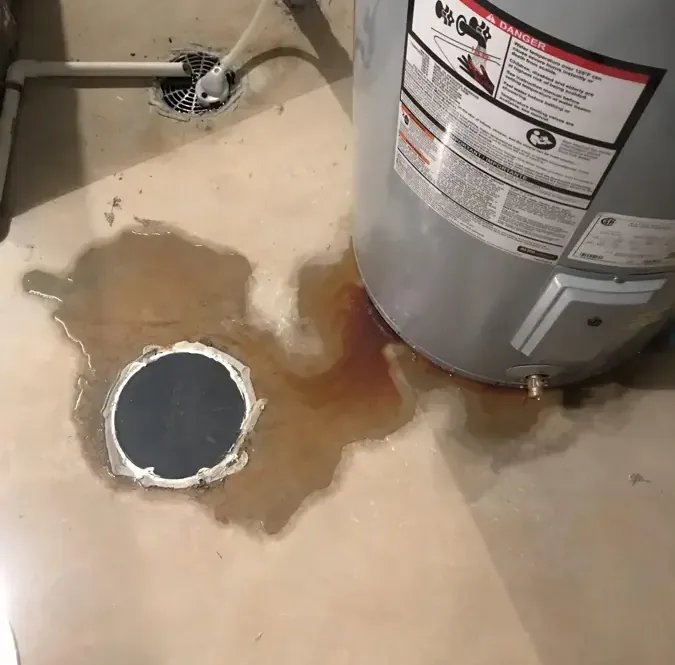
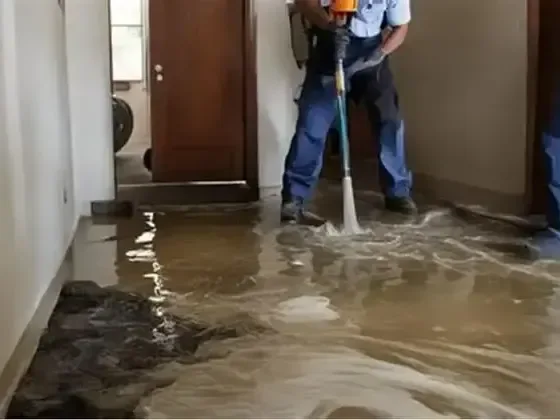
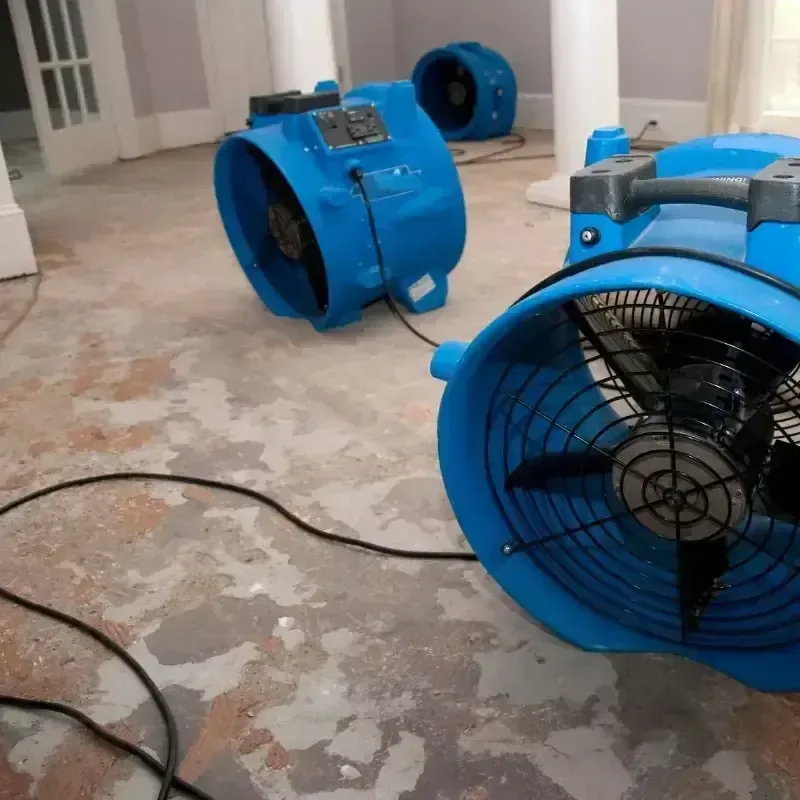
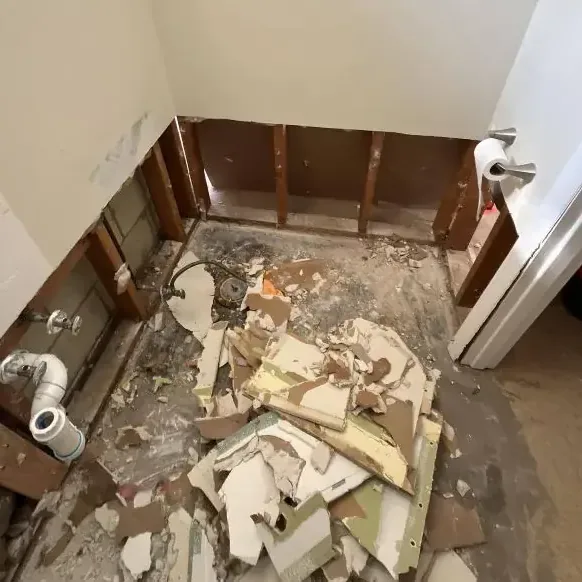
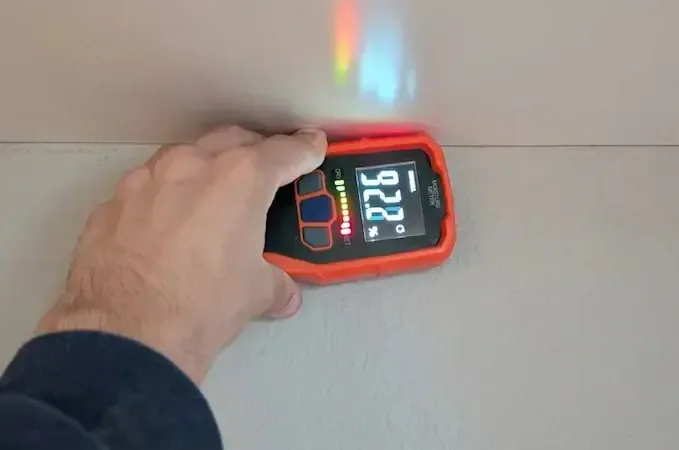
A drying plan with visible checkpoints
Clear decisions make a stressful loss easier to follow. The affected materials, access needs and moisture response should explain the work proposed for each part of the property.
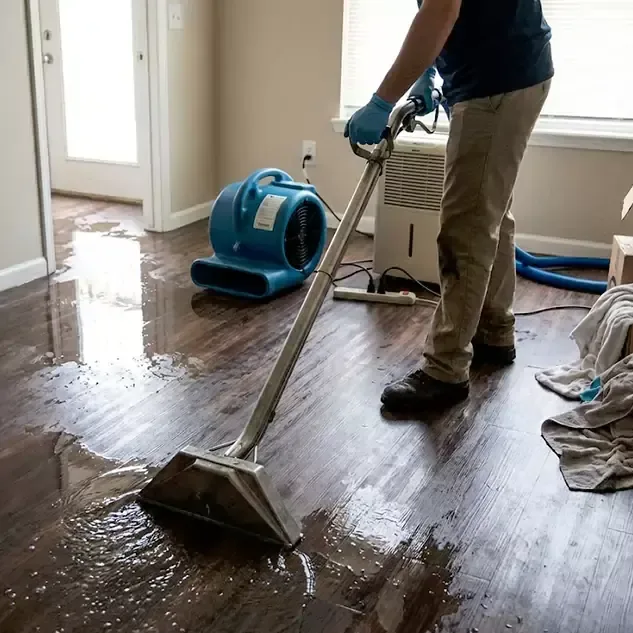
Mapped boundaries
Inspection follows damp edges into adjoining surfaces, creating a defined work area instead of assuming the room with the puddle contains all of the damage.
Material decisions
Wet insulation, flooring and wallboard respond differently. Removal recommendations should identify the affected layer and explain why access or cleaning requires that material to come out.
Recorded progress
Repeated readings show whether drying is moving toward the intended condition. Equipment changes make sense when they follow the material response rather than a fixed calendar.
Repair preparation
Restoration records help distinguish moisture work from later finish repairs. Owners can check remaining concerns before new flooring, closed walls or replacement cabinets cover the inspected areas.
What affects Castle Rock water damage costs?
Castle Rock cleanup costs depend on where water traveled, the materials it reached and whether contamination changes the work. An accessible spill differs from moisture beneath flooring or inside insulated walls, even when the visible puddles look similar.
Limited exposed damage
$1,000 to $3,000
- Accessible wet surfaces
- Defined removal area
- Focused drying equipment
Several affected assemblies
$3,000 to $7,000
- Rooms connected by moisture
- Concealed surface access
- Broader drying supervision
Complex interior spread
$5,000 to $10,000+
- Extensive material handling
- Contamination cleanup needs
- Difficult cavity access
These planning ranges describe restoration scope. Pipe repairs, replacement equipment and rebuilding finishes may involve separate work, so an estimate should identify inclusions before the project proceeds.
Documents that clarify the work
A useful claim record connects the discovery of water with the affected rooms and restoration decisions. Coverage questions belong with the insurer, while photographs and scope details document the condition.
- Photos before accessible materials are moved
- Notes describing when water first appeared
- An inventory of visibly affected belongings
- Source repair details and contractor receipts
- Drying records tied to specific inspected locations
Paying directly for cleanup
An owner paying directly still benefits from a written scope. Extraction, material removal and drying supervision should be understandable as separate activities tied to the damaged rooms.
If access reveals additional wet layers, the revised work should be explained before it proceeds. Clear records also help organize later flooring restoration, cabinet or wall finish repairs.
Keep the damaged room safe and the details clear
- Pause at the doorway
Standing water near outlets, damaged ceilings or an uncertain floor makes entry unsafe. Keep people outside the space until hazards have been assessed.
- Stop an accessible supply
A reachable shutoff may limit a plumbing release if the route is dry and safe. Equipment or pipe repairs should be handled by the appropriate professional.
- Record the visible spread
Photograph water paths, affected contents and stains from a safe position. Note when the problem appeared and whether water continued moving after the supply stopped.
- Separate clean belongings
Move dry possessions only along a safe route. Keep wastewater affected items apart from clean rooms so handling does not spread residue through the property.
- Describe the wet materials
Share whether carpet, boards, cabinets or overhead drywall are involved. Those details help establish which spaces need inspection beyond the floor that first appeared wet.
Local conditions worth planning around
Cold winters and wetter summers bring different water concerns to Castle Rock. Preparation works best when it connects seasonal conditions with the actual pipes, openings and drainage around a property.
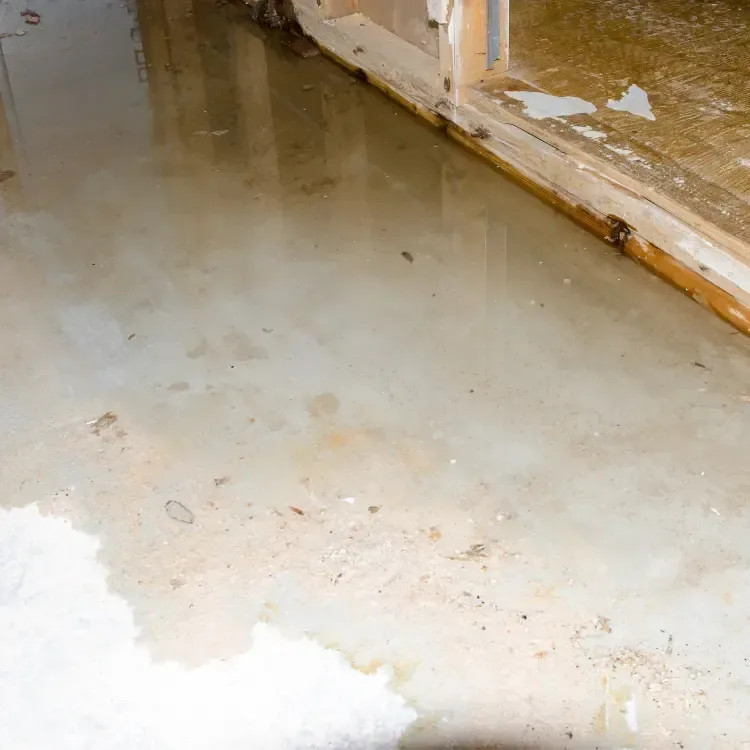
February 2, 2026: Castle Rock Water announced possible discoloration and changes in taste or smell during routine disinfectant maintenance. Utility notices help residents track scheduled supply changes.
Cold weather exposure
Winters are cold, dry and snowy. Plumbing in exposed spaces deserves attention before temperatures drop, with accessible shutoffs identified and vulnerable areas checked for changes afterward.
Summer rain entry
Summers are wetter than winters, with August receiving the most precipitation. Roof openings and exterior drainage should be checked when indoor dampness appears after a storm.
Separate drainage paths
East Plum Creek flows generally north through town. McMurdo Gulch and Mitchell Gulch drain toward Cherry Creek, making the water entry point an important inspection detail.
Hidden indoor spread
A leak can reach cabinet bases and flooring layers before a large puddle develops. Swelling, damp seams and new stains warrant a closer look at connected materials.
Lower space access
Where a property has a basement or crawl space, a safe entrance and working drainage matter. Water depth and electrical exposure shape the initial access decision.
Different releases call for different handling
Supply water
A fresh plumbing release may start at a pipe or fitting. Contact with dirty materials and elapsed exposure still affect the cleanup approach.
Trace a pipe releaseUsed appliance water
Washer and dishwasher losses require attention to the appliance cycle and contents. Water beneath cabinetry needs inspection even after the visible spill disappears.
Inspect the appliance recessWastewater intrusion
A drain backup needs controlled handling and separation from unaffected rooms. Porous materials exposed to sewage may require removal before the space can dry.
Understand wastewater removalQuestions after discovering water damage
Describe what changed indoors
A room name, visible water source and description of wet materials help start a useful discussion about the inspection and cleanup needs at the property.
(888) 532-8620Talk through the damaged roomWhat information helps when arranging a water damage assessment?
The most useful details are the source, whether it has stopped and which rooms show moisture. Photos of accessible wet areas help describe the loss. Mention sagging ceilings, electrical exposure and wastewater before anyone enters the damaged space.
Does a dry floor mean cleanup is finished?
Surface dryness can leave damp layers underneath. Flooring, wall bases and insulation may hold moisture after the visible water disappears. Structural drying checks those materials and follows their readings before recommending that an affected assembly be closed or refinished.
Can belongings remain in a room during drying?
Some items can be protected or repositioned, while others need removal to reach wet surfaces. The decision depends on contamination, material sensitivity and access. A contents list helps track items moved out of the work area and any visible damage.
Should a leaking appliance be repaired before drying starts?
Stopping the release and making the appliance safe are early priorities. Water removal may proceed alongside repair arrangements once access is safe. The appliance technician handles the equipment problem, while the restoration scope addresses moisture in surrounding floors, walls and cabinets.
Why might wall bases need to be opened?
Moisture can collect behind trim or inside an insulated cavity. An opening may be needed to inspect, remove damaged material or establish drying access. The reason and location should be explained so the owner understands the connection between access and the wet assembly.
Are all lower level floods handled the same way?
A supply pipe spill and outdoor runoff differ in contamination and source control. Depth, access and the affected finishes also matter. A basement assessment should identify those conditions before choosing extraction equipment or deciding what materials can remain during drying.
What records are useful for an insurance discussion?
Keep discovery photographs, the source repair record, an affected contents list and the restoration scope together. Moisture logs can explain why equipment remained in place. The insurer checks coverage under the policy; a cleanup estimate describes the proposed work and materials.
Can a quote change after concealed areas are inspected?
Opening a wet cavity can reveal damage beyond what was visible initially. A revised scope should identify the additional material and explain its effect on removal or drying. That documentation helps an owner check the change before further work is undertaken.
What should happen before replacement flooring is installed?
The supporting layers need to reach an appropriate moisture condition for the planned floor. Final readings, product requirements and any remaining source issue should be checked together. Covering damp material too early can conceal a problem beneath an otherwise finished room.
Make the next step fit the actual water loss
Describe the source, affected rooms and any access hazards so cleanup planning can begin with the right information.
(888) 532-8620Check the property's cleanup needs