Basement Water Removal in Monument, CO
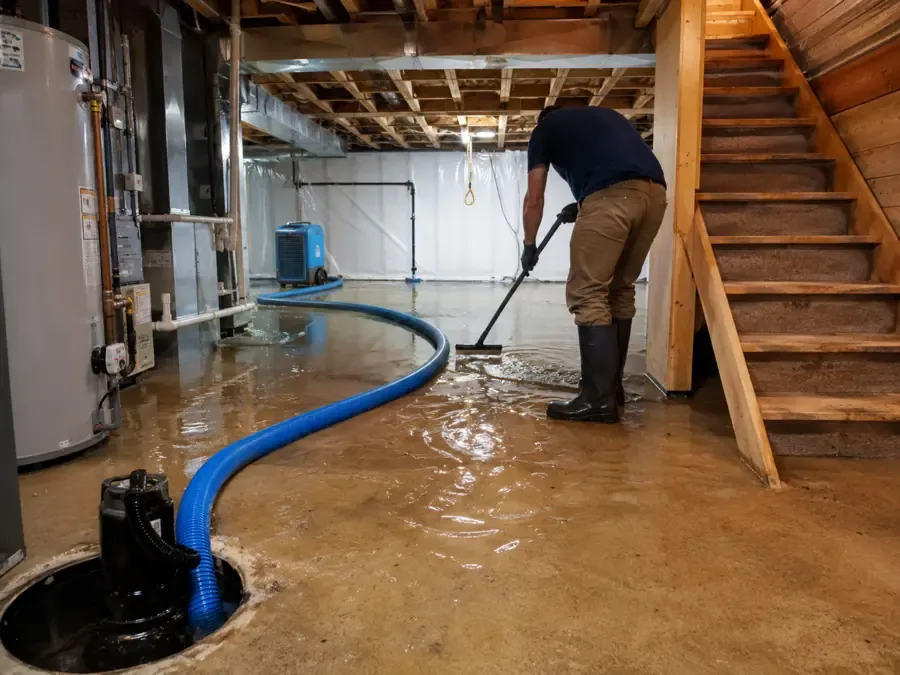
Basement water removal in Monument requires a safe pumping plan wherever a building has a lower level. The restoration team checks utilities, water entry and material conditions before removing the pool and drying retained assemblies.
(888) 532-8620Describe lower-level water and utility exposure
How basement water removal is handled
A lower-level pool can come from plumbing, drainage or outside water. The assessor identifies the source, checks electrical and structural hazards, and selects pumping and drying methods for the affected lower-level materials, including wet framing and insulation.
Rapid local response
The response team prioritizes active water and asks about safe entry, continuing flow and occupied rooms. A clear description helps the assessment focus on hazards before equipment reaches the wet area.
IICRC S500 drying standard
The drying crew sets material goals against unaffected references, sizes dehumidification to the evaporation load and adjusts airflow as readings change. A dry surface alone never closes the moisture record.
Claim-ready documentation
The mitigation team records the source, affected materials, photographs and daily readings in a room-by-room scope. The insurer reviews that evidence against the policy and makes the coverage decision.
Local water experts
The technician distinguishes plumbing discharge from outside water at the actual building. Different floor assemblies, access restrictions and contents call for different drying methods, even when neighboring rooms share the same leak.
First steps for basement water removal
- Do not enter energized water
Occupants remain outside a flooded lower level when electrical exposure is possible. An appropriate professional checks utilities before access and equipment operation.
- Report depth from a safe location
The owner describes visible water and the apparent entry route without walking into it. Safe photographs can record marks and contents from the stairs or doorway.
- Avoid improvised pumping
The team evaluates discharge, contamination and any structural pressure concerns before removal. A pump that returns water near the entry point can prolong the loss.
- Keep affected contents separate
Wet storage and furnishings require condition assessment before relocation. Moving them through clean rooms without protection can transfer moisture and contamination.
What does basement water removal cost in Monument, CO?
Basement water removal and drying commonly range from $1,500 to $7,500. Depth, contamination, finished walls and restricted access can increase the work. Drainage correction, waterproofing and reconstruction are separate scope items.
Accessible limited lower-level loss
$1,500 to $3,000
- Safe water recovery
- Initial wall-base checks
- Focused drying setup
Finished basement spread
$3,000 to $7,500
- Floor and insulation assessment
- Selective material removal
- Several monitoring locations
Deep or contaminated flooding
$7,500 to $14,000+
- Complex pumping plan
- Controlled debris handling
- Expanded cleaning and drying
Category, wet square footage, material class and the delay before drying change the scope. The Monument water damage cost calculator gives an estimate only; the inspection establishes the work.
Documentation for your insurance claim
The restoration team assembles timestamped photographs, a moisture map, daily psychrometric logs and a room-by-room scope. Sudden accidental water damage, long-term leakage and outside flooding can receive different treatment. The property owner checks the policy with the insurer; documentation supports review without promising payment for mitigation, access or plumbing repair.
The basement water removal process
Assess the lower-level hazards
The response team checks safe entry, utilities, source and water conditions. Where structural or outside-pressure concerns arise, the appropriate specialist informs the pumping plan before rapid removal begins.
Recover water through a controlled route
The crew chooses equipment for depth, debris and access, then directs recovered water appropriately. The work plan protects clean rooms and avoids a discharge arrangement that feeds the same entry path.
Expose and dry affected assemblies
The assessor checks wall bases, insulation and floor layers after pumping. Necessary removal and cleaning precede controlled drying of the materials that remain suitable to retain.
Verify and document source questions
Repeat readings show retained-material progress and possible continuing entry. The final record distinguishes completed mitigation from drainage, plumbing, waterproofing and finish work that may still need separate attention.
Inside the basement water removal assessment
A flooded lower level can conceal outlets, equipment and floor obstructions beneath the water surface. The response team evaluates safe access before carrying a pump downstairs. Water depth matters, but source, contamination and pressure conditions around a below-grade structure also influence the removal plan.
Identifying the lower-level water source
Near Old Denver Road, the assessor checks whether a particular building has a basement and how water entered it. A broken supply, drain backup and exterior entry require different source-control decisions. Inspection follows water marks, plumbing connections and exterior openings to locate the entry route.
- The owner describes whether water appeared during fixture use, a pipe failure or rainfall.
- Visible sediment and entry marks help document an outside-water route.
- The technician checks floor drains and connected utilities, then identifies any source-control work that needs a plumber or utility provider.
- Continued entry can require source work before removal produces a lasting improvement.
The scope records observed findings and the questions that a plumber or building specialist still needs to resolve.
Planning pumping without adding another hazard
At a home near Higby Road, below-grade water may surround equipment that cannot safely operate while wet. The crew coordinates the appropriate electrical assessment and checks whether structural or pressure concerns affect pumping. Occupants do not enter the water to reach a breaker or retrieve a machine.
- A safe discharge route keeps recovered water from returning to the building.
- Debris and water category affect pump selection and cleanup needs.
- Contaminated porous materials require removal and cleaning rather than simple surface drying.
- Access routes need protection where equipment and waste pass through otherwise dry rooms.
Removing the pool reveals materials that still need assessment. The visible improvement after pumping is not the same as a completed dry-out.
Lower-level water needs a source and utility assessment before pumping. The crew checks the pool and the materials that remain wet after removal.
(888) 532-8620Review the basement entry and pumping conditionsChecking wall bases and layered floors
Properties around Second Street can contain finished or unfinished lower-level materials with very different drying access. The technician checks the actual wall and floor assembly, including insulation behind finishes. Concrete, framing and absorbent floor layers may respond at different rates after the water is gone.
- Wall-base measurements identify moisture above the former water depth.
- Floor finishes can conceal wet underlayment or adhesive layers.
- Daily readings help distinguish retained moisture from continuing entry.
The closing scope separates mitigation from waterproofing, drainage improvements and finish replacement. The owner can then review what has dried, what still requires repair and what source-control work may help address recurrence without treating pumping as a permanent cure.
Safe access comes first
The response team assesses electrical contact, unstable ceilings and contaminated water before extraction begins. Occupants keep clear of affected rooms until the hazards have been checked. A plumber isolates an active supply failure; drying follows source control and inspection of the materials beneath the visible damage.
Property owners can review flood safety precautions and EPA indoor air information alongside the onsite assessment.
Basement water removal in Monument
The restoration team serves ZIP 80132, including properties around Second Street, Old Denver Road and Higby Road. The assessment follows the actual water source and wet materials at each building. Nearby service includes Palmer Lake, Castle Rock, Castle Pines, Parker and Lone Tree.
The response team checks access, occupied rooms and the location of the shutoff before planning equipment placement.
Related water damage services in Monument


Basement Water Removal questions in Monument, CO
Discuss the wet materials
Lower-level water needs a source and utility assessment before pumping. The crew checks the pool and the materials that remain wet after removal.
(888) 532-8620Review the basement entry and pumping conditionsDoes every property in town have a basement?
No. The service applies only where the actual building has a lower level. The assessor checks its construction and access before planning removal. The visit includes a check of floor construction, utility exposure and the route of incoming water.
Why not pump the water immediately?
Electrical exposure, debris and possible structural pressure conditions can affect safe removal. The crew evaluates those issues first and obtains the appropriate specialist input where needed. Fast pumping without a safe plan can create another hazard instead of resolving the loss.
Is basement water always groundwater?
No. Supply pipes, appliances and drain backups can also release water below the main floor. The technician documents the actual path and contamination conditions. A correct source assessment determines cleanup requirements and helps separate mitigation from the repair needed to stop entry.
Can finished walls dry without opening?
The decision depends on contamination, insulation, material strength and access for measurement and airflow. The technician checks the assembly rather than relying on the painted surface. Some losses require selective removal to reach material that cannot otherwise dry effectively.
What happens to wet stored belongings?
The assessor records the contact surfaces and material condition before relocation. Absorbent packaging and contents differ from washable hard items. A planned route and temporary location help prevent wet goods from transferring moisture or contamination into unaffected living areas.
Does cleanup prevent the next basement flood?
Mitigation removes water and dries affected materials. Correcting a recurring source may require separate plumbing, drainage or building-envelope work. The final record identifies those distinctions so a successful pump-out is not mistaken for a permanent solution to entry.
Clear the lower level with a measured drying plan
The restoration team follows the loss through wall bases, floor layers and retained materials after safe water recovery.
(888) 532-8620Arrange a lower-level water assessment