Ceiling Leak Water Damage in Monument, CO
Ceiling leak water damage in Monument requires a safety check before anyone works beneath it. The restoration team traces interior plumbing and overhead moisture, assesses saturated finishes and dries the exposed assembly after source control.
(888) 532-8620Describe the dripping or sagging ceiling
How ceiling leak water damage is handled
A ceiling leak can come from plumbing, an upstairs fixture or the building envelope. The assessor separates those possibilities and checks the room above before planning any opening in the wet overhead finish.
Rapid local response
The response team prioritizes active water and asks about safe entry, continuing flow and occupied rooms. A clear description helps the assessment focus on hazards before equipment reaches the wet area.
IICRC S500 drying standard
The drying crew sets material goals against unaffected references, sizes dehumidification to the evaporation load and adjusts airflow as readings change. A dry surface alone never closes the moisture record.
Claim-ready documentation
The mitigation team records the source, affected materials, photographs and daily readings in a room-by-room scope. The insurer reviews that evidence against the policy and makes the coverage decision.
Local water experts
The technician distinguishes plumbing discharge from outside water at the actual building. Different floor assemblies, access restrictions and contents call for different drying methods, even when neighboring rooms share the same leak.
First steps for ceiling leak water damage
- Keep clear of the bulge
Occupants leave the space under sagging material and prevent others from entering. The crew assesses stability before moving contents or opening the ceiling.
- Avoid wet fixtures
Light switches and equipment in the affected area stay unused until electrical safety is established. An electrician assesses switches and concealed wiring exposed to the leak before they return to service.
- Stop the suspected fixture use
The owner avoids using an upstairs fixture associated with the leak. A plumber checks the connection and confirms the source before normal use resumes.
- Record the timing
Notes about dripping during a shower, appliance cycle or rainfall help direct the source investigation. Safe photographs preserve the pattern before controlled removal.
What does ceiling leak water damage cost in Monument, CO?
Ceiling-leak mitigation commonly ranges from $900 to $4,500. A small accessible bay differs from several wet cavities with insulation removal and electrical coordination. Plumbing work and replacement finishes are separate scope items.
Single affected bay
$900 to $1,800
- Source-path assessment
- Controlled local access
- Focused moisture checks
Room ceiling and insulation
$1,800 to $4,500
- Safe finish removal
- Exposed framing drying
- Daily progress record
Multiple connected cavities
$4,500 to $8,000+
- Broader overhead protection
- Layered assembly inspection
- Extended drying access
Category, wet square footage, material class and the delay before drying change the scope. The Monument water damage cost calculator gives an estimate only; the inspection establishes the work.
Documentation for your insurance claim
The restoration team assembles timestamped photographs, a moisture map, daily psychrometric logs and a room-by-room scope. Sudden accidental water damage, long-term leakage and outside flooding can receive different treatment. The property owner checks the policy with the insurer; documentation supports review without promising payment for mitigation, access or plumbing repair.
The ceiling leak water damage process
Check the overhead hazard
The assessor evaluates ceiling movement, electrical contact and the room above. Source isolation and a safe work zone precede any opening, particularly where saturated insulation or finishes add weight.
Expose the affected assembly
Controlled removal reveals wet framing and hidden water paths. The technician records what the opening shows and adjusts the scope if moisture extends into adjacent bays or the floor above.
Direct drying into the cavity
The crew combines accessible airflow with dehumidification and material checks. The operator avoids assuming that normal room conditions represent the moisture held within an enclosed overhead assembly.
Verify before patching
The final readings establish the retained-material condition. Plumbing and electrical findings remain in the record alongside any replacement insulation, ceiling finish or painting required after mitigation.
Inside the ceiling leak water damage assessment
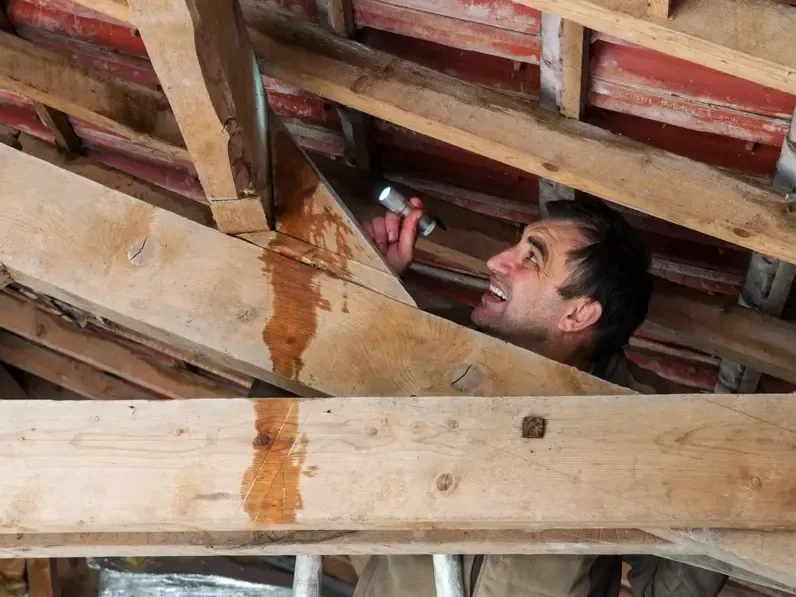
A dripping ceiling creates two problems: water inside the assembly and the weight of saturated material above the room. The crew checks both before extraction or demolition. Occupants stay outside a sagging area while the technician evaluates electrical fixtures, support and the likely water source.
Locating an interior ceiling-leak source
A building near Second Street may show staining below a bathroom even when the visible fixture above looks dry. The plumber investigates supply and drain connections, and the restoration assessor follows the moisture across the ceiling cavity. The source inspection follows the wet path back through the accessible connections.
- Leaks linked to fixture use can suggest a drain or seal investigation.
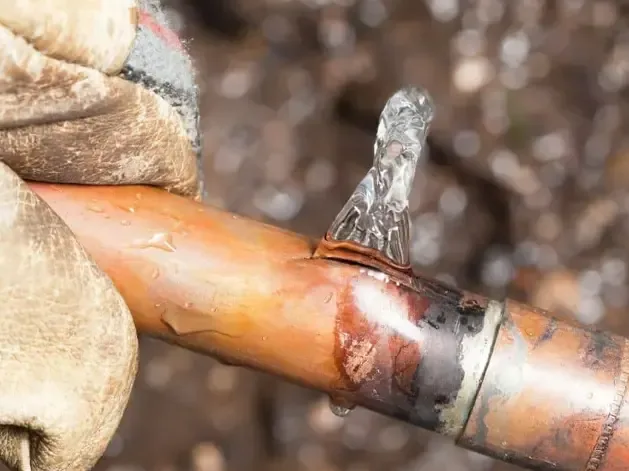
- Continued water with fixtures unused may point toward a supply source that needs isolation.
- Wet light fittings require an electrical assessment before operation.
- The technician checks neighboring ceiling bays where water can travel along framing.
The source record should distinguish confirmed findings from observations that still need testing. That distinction prevents a repair at the wrong location while wet material remains overhead.
Opening a saturated ceiling safely
Properties off Higby Road require an assessment of their actual ceiling materials and access. Wet drywall can lose strength, and insulation above it can add weight while holding water against timber. The crew protects the room below and plans controlled removal rather than asking an occupant to release the water.
- Work-zone protection keeps falling debris away from unaffected contents.
- Removal follows unstable or contaminated material and the access needed for drying.
- Fixtures and wiring remain a separate trade concern when exposed to water.
- Photographs record the original condition and the material revealed behind the finish.
The opened cavity may reveal a wider wet area than the stain suggested. The scope then changes to reflect those findings instead of stopping at the original cosmetic boundary.
Wet overhead material needs a safe opening plan. The technician checks the source and retained framing before ceiling repairs conceal the assembly.
(888) 532-8620Review the overhead water and access riskChecking joists and the floor above
Along Old Denver Road, a ceiling loss can involve the underside of an upstairs floor as well as the visible board below. The drying team measures the retained framing and examines whether layers above restrict evaporation. Equipment placement needs to address that assembly, not only the air in the room.
- Directed airflow helps reach an exposed bay when access and contamination conditions permit it.
- Dehumidification removes moisture released from wet materials into the work zone.
- Repeated readings identify areas that remain wet after adjacent framing improves.
Reconstruction waits for suitable conditions and completion of source repairs. A patched stain can look finished while the cavity remains wet, so the closing record describes readings, retained materials and any unresolved access limits.
Safe access comes first
The response team assesses electrical contact, unstable ceilings and contaminated water before extraction begins. Occupants keep clear of affected rooms until the hazards have been checked. A plumber isolates an active supply failure; drying follows source control and inspection of the materials beneath the visible damage.
Property owners can review flood safety precautions and EPA indoor air information alongside the onsite assessment.
Ceiling leak water damage in Monument
The restoration team serves ZIP 80132, including properties around Second Street, Old Denver Road and Higby Road. The assessment follows the actual water source and wet materials at each building. Nearby service includes Palmer Lake, Castle Rock, Castle Pines, Parker and Lone Tree.
The response team checks access, occupied rooms and the location of the shutoff before planning equipment placement.
Related water damage services in Monument

Ceiling Leak Water Damage questions in Monument, CO
Discuss the wet materials
Wet overhead material needs a safe opening plan. The technician checks the source and retained framing before ceiling repairs conceal the assembly.
(888) 532-8620Review the overhead water and access riskDoes a ceiling stain prove a roof leak?
No. An upstairs supply, drain, appliance or fixture can create a similar mark. The technician checks timing and the room above, while the appropriate trade tests the suspected source. Roof investigation becomes relevant when the evidence points toward exterior entry.
Can occupants drain a ceiling bulge themselves?
A bulge can contain water, unstable board and electrical exposure. Occupants keep clear while the crew plans safe removal and protection below. Puncturing the finish without knowing what lies above can release water and debris into an unsafe area.
Why inspect the floor above the ceiling?
Water can wet subfloor and joists before it reaches the visible ceiling. The drying team checks that assembly so a repaired ceiling does not conceal retained moisture. The scope may need access beyond the original stain to measure those layers.
Is ceiling drywall always replaced?
Material strength, contamination and drying access determine the decision. Saturated unstable board requires removal, while a sound limited clean-water area may permit a different approach. The technician documents the condition instead of applying one removal rule to every mark.
Can wet light fittings be reused?
An electrical professional evaluates fittings and wiring that water reached. Electrical components exposed to water require an electrician's assessment before power is restored. The mitigation record identifies contact areas so the appropriate trade can address them before normal operation.
What confirms the ceiling is ready to close?
The drying team records suitable material readings and checks whether the source has been controlled. Any electrical or plumbing work also needs completion. The final scope distinguishes those requirements from the later cosmetic work of replacing board and paint.
Resolve the moisture above the visible stain
The restoration crew coordinates source findings, controlled removal and cavity readings before the ceiling returns to finish work.
(888) 532-8620Arrange a ceiling-moisture assessment