Water Extraction and Removal in Monument, CO
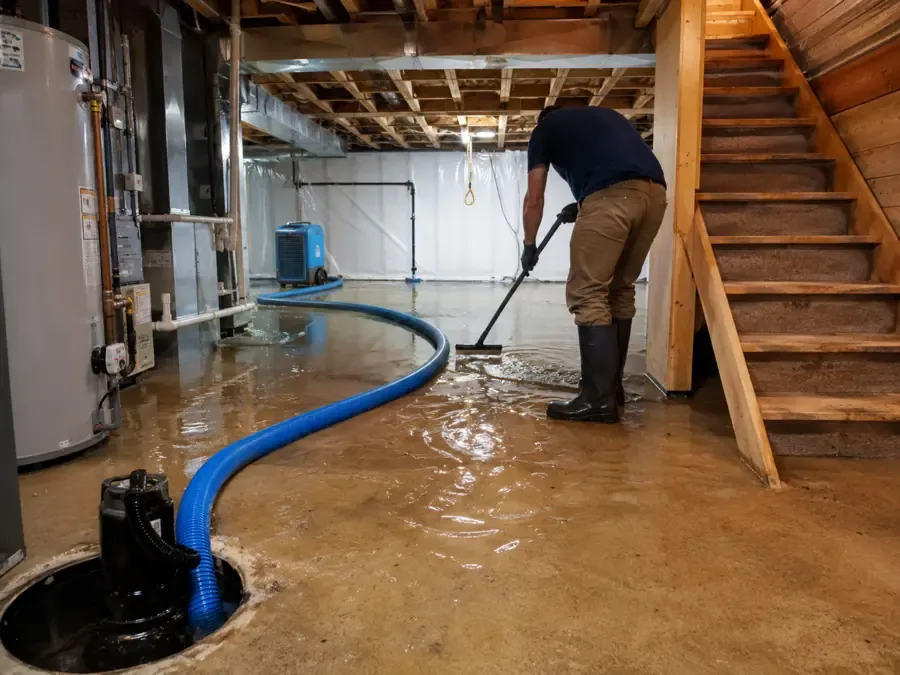
Standing water in Monument can spread beneath doors and into wall bases before a room looks deeply flooded. The extraction crew removes accessible liquid, checks connected spaces and prepares the wet structure for controlled drying.
(888) 532-8620Describe where the standing water has reached
How water extraction and removal is handled
Fast liquid removal reduces the amount of water that the drying equipment must evaporate. The crew selects pumps, wands and extraction passes around the surface, contamination and safe access at the actual building.
Rapid local response
The response team prioritizes active water and asks about safe entry, continuing flow and occupied rooms. A clear description helps the assessment focus on hazards before equipment reaches the wet area.
IICRC S500 drying standard
The drying crew sets material goals against unaffected references, sizes dehumidification to the evaporation load and adjusts airflow as readings change. A dry surface alone never closes the moisture record.
Claim-ready documentation
The mitigation team records the source, affected materials, photographs and daily readings in a room-by-room scope. The insurer reviews that evidence against the policy and makes the coverage decision.
Local water experts
The technician distinguishes plumbing discharge from outside water at the actual building. Different floor assemblies, access restrictions and contents call for different drying methods, even when neighboring rooms share the same leak.
First steps for water extraction and removal
- Keep entry dry
Occupants avoid water around cords, outlets and powered equipment. The crew confirms electrical safety before bringing extraction tools into the affected room.
- Control ongoing flow
A reachable supply valve can limit new water when safe to use. Outside runoff or a drain backup needs a different source-control assessment.
- Protect movable belongings
The owner moves light contents only from a safe route. Heavy wet furniture and unstable shelving stay untouched until the team checks lifting and access.
- Mark connected rooms
The initial report includes nearby closets, corridors and floors below. Those connections help the technician inspect beyond the room with the largest visible pool.
What does water extraction and removal cost in Monument, CO?
Water extraction and the initial drying setup often range from $800 to $4,500. Deep standing water, contaminated contents or several connected rooms increase labor, disposal and equipment requirements beyond a small accessible floor loss.
Limited standing water
$800 to $1,800
- Accessible wet floor
- Focused extraction passes
- Initial moisture assessment
Several connected rooms
$1,800 to $4,500
- Multiple surface types
- Broader liquid removal
- Drying setup and readings
Deep or contaminated loss
$4,500 to $8,000+
- Pumping and controlled access
- Debris and disposal needs
- Expanded moisture monitoring
Category, wet square footage, material class and the delay before drying change the scope. The Monument water damage cost calculator gives an estimate only; the inspection establishes the work.
Documentation for your insurance claim
The restoration team assembles timestamped photographs, a moisture map, daily psychrometric logs and a room-by-room scope. Sudden accidental water damage, long-term leakage and outside flooding can receive different treatment. The property owner checks the policy with the insurer; documentation supports review without promising payment for mitigation, access or plumbing repair.
The water extraction and removal process
Assess the water before equipment
The technician checks source, category, electrical exposure and depth. That first assessment determines the safe tool, work route and disposal method instead of selecting equipment solely by the apparent size of the puddle.
Extract across the full wet footprint
The crew works through the accessible liquid and checks transitions, pad and low points. Additional passes target water that remains recoverable rather than leaving all absorbed moisture for the dehumidifiers to manage.
Set the drying conditions
Air movers and dehumidification address the moisture retained by suitable materials. The operator considers room volume, surface area and access, keeping a clear route for occupants and later monitoring visits.
Recheck the boundary and materials
The assessor revisits mapped locations and records drying progress. Persistent high readings prompt another look at hidden layers, airflow or source control before the scope is considered complete.
Inside the water extraction and removal assessment
A puddle is only the visible part of a water loss. Carpet backing, underlayment and the bottom edge of drywall can absorb water while it remains on the floor. The extraction technician checks the source and safe entry before choosing a tool, then follows the liquid into transitions and neighboring spaces.
Matching extraction to the wet surface
Buildings around Higby Road do not all have the same floor assembly. A hard-surface tool removes liquid differently from a carpet extraction head, and a pump suits a depth that a wand cannot efficiently handle. The operator adjusts the method to prevent unnecessary damage while removing as much accessible water as practical.
- Standing depth, debris and electrical conditions determine whether pumping can begin safely.
- Carpet and pad require separate condition and category decisions before any salvage plan.
- Tile edges, transitions and cabinet bases can hide water beyond the apparent pool.
- The crew checks the disposal route instead of discharging contaminated water onto an unsuitable surface.
Repeated passes often remove more liquid than one quick pass. The technician assesses what remains instead of assuming that a floor with no visible puddles has completed mitigation.
Finding where the water traveled
A loss near Second Street may reach a hallway, a closet or the level below without leaving the same visible depth in each room. The assessor maps the wet boundary and checks likely migration paths. Door thresholds and changes in flooring can conceal absorbed water even when they stop the surface flow.
- Wall-base readings reveal moisture that has wicked above the floor.
- Contents resting directly on a wet surface need inspection at the contact points.
- Floor penetrations and openings can carry water into a concealed space.
- Dry areas provide a comparison for later readings and help define the work zone.
The extraction scope records those locations so the drying crew can position equipment around the full loss. A narrow focus on the deepest puddle can leave a connected assembly untreated.
Standing water can leave absorbed moisture behind. The extraction team checks adjoining rooms and floor edges while organizing the next drying phase.
(888) 532-8620Discuss the pooled water and floor surfacesMoving from extraction into drying
Along Old Denver Road, the restoration team bases the next phase on the materials inside the property rather than its location alone. Removing liquid is the beginning; dehumidification must manage the moisture released as wet materials dry. The crew balances airflow with indoor humidity and keeps equipment clear of safe access routes.
- Extraction reduces the evaporation load before air movers and dehumidifiers take over.
- Contaminated porous materials may need removal instead of an in-place drying attempt.
- Daily material checks reveal whether the wet boundary is receding or another source remains.
The owner receives an explanation of what the extraction accomplished and what still needs monitoring. The final drying decision rests on the materials, not on how clean the floor looks after water removal. A floor that looks normal can still cover a saturated layer.
Safe access comes first
The response team assesses electrical contact, unstable ceilings and contaminated water before extraction begins. Occupants keep clear of affected rooms until the hazards have been checked. A plumber isolates an active supply failure; drying follows source control and inspection of the materials beneath the visible damage.
Property owners can review flood safety precautions and EPA indoor air information alongside the onsite assessment.
Water extraction and removal in Monument
The restoration team serves ZIP 80132, including properties around Second Street, Old Denver Road and Higby Road. The assessment follows the actual water source and wet materials at each building. Nearby service includes Palmer Lake, Castle Rock, Castle Pines, Parker and Lone Tree.
The response team checks access, occupied rooms and the location of the shutoff before planning equipment placement.
Related water damage services in Monument


Water Extraction and Removal questions in Monument, CO
Discuss the wet materials
Standing water can leave absorbed moisture behind. The extraction team checks adjoining rooms and floor edges while organizing the next drying phase.
(888) 532-8620Discuss the pooled water and floor surfacesIs water extraction the same as drying?
Extraction removes accessible liquid with pumps or purpose-built tools. Drying removes absorbed moisture from materials using controlled air and humidity conditions. Most substantial losses need both stages, and the moisture map identifies which assemblies still require attention after the puddle disappears.
Can a household wet vacuum handle the loss?
A small contained spill may be manageable, but electrical exposure, contamination and hidden water change the situation. Moisture checks beneath flooring and at wall bases help locate water beyond the reach of household suction. The restoration assessment determines whether a broader extraction and drying plan is necessary.
Why does carpet need several extraction passes?
Carpet backing and pad can retain water after the first pass. The operator checks recovery and material condition before deciding whether additional extraction is useful. Category and contamination also matter; unsuitable porous materials may require removal rather than repeated attempts to dry them in place.
Does clear water mean the room is safe?
Water category and electrical exposure require assessment before anyone enters the affected area. The source, contact with materials and time in the building all matter. The crew investigates those conditions before allowing access or deciding that the affected surfaces can remain in place.
What happens to furniture on a wet floor?
The assessor checks contact surfaces, stability and material response. Movable contents may need separation, protection or another drying arrangement. Wet items should not simply move into a dry room where they can transfer moisture; the plan records both their condition and destination.
How is extraction documented for insurance?
The technician records source observations, affected rooms, photographs and the removal method, then adds moisture readings and equipment details. The insurer reviews that record under the policy. An extraction invoice alone may not explain the hidden moisture or subsequent drying needs.
Remove the liquid and measure what remains
The crew combines surface-specific extraction with a moisture map that follows the water into connected materials.
(888) 532-8620Arrange a standing-water assessment