Water Heater Leak Cleanup in Monument, CO
Water heater leak cleanup in Monument focuses on the floor, platform and wall bases around a leaking tank. The mitigation crew removes escaped water after safe equipment isolation and checks where the discharge traveled.
(888) 532-8620Describe the tank discharge and wet surfaces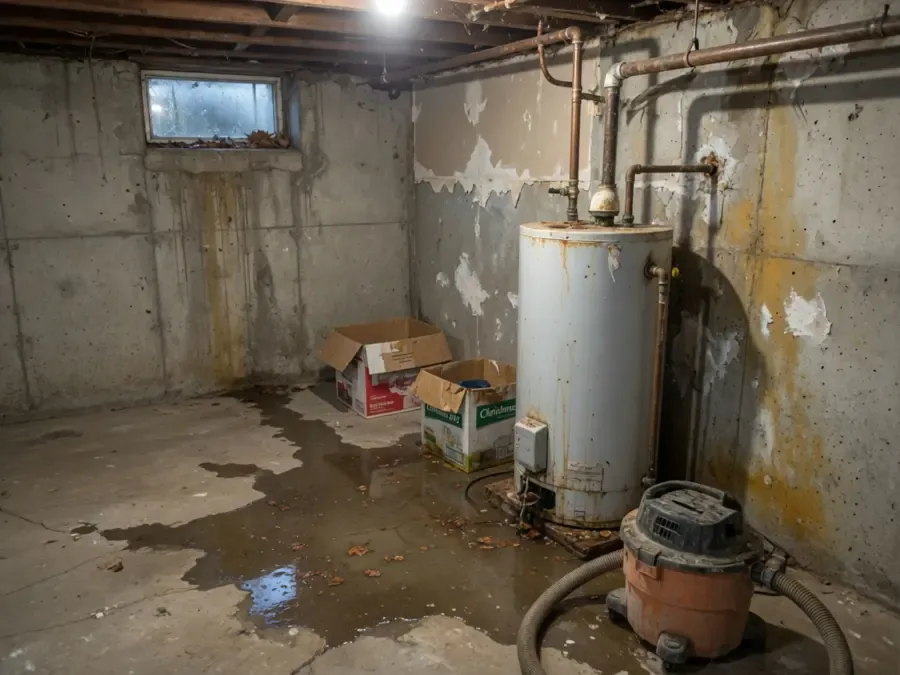
How water heater leak cleanup is handled
A leaking tank can feed water beneath a platform or into nearby storage before the owner sees a large puddle. The assessor traces those paths and separates water mitigation from heater repair or replacement.
Rapid local response
The response team prioritizes active water and asks about safe entry, continuing flow and occupied rooms. A clear description helps the assessment focus on hazards before equipment reaches the wet area.
IICRC S500 drying standard
The drying crew sets material goals against unaffected references, sizes dehumidification to the evaporation load and adjusts airflow as readings change. A dry surface alone never closes the moisture record.
Claim-ready documentation
The mitigation team records the source, affected materials, photographs and daily readings in a room-by-room scope. The insurer reviews that evidence against the policy and makes the coverage decision.
Local water experts
The technician distinguishes plumbing discharge from outside water at the actual building. Different floor assemblies, access restrictions and contents call for different drying methods, even when neighboring rooms share the same leak.
First steps for water heater leak cleanup
- Keep away from hot discharge
Occupants avoid water near the tank and its connections. The plumber or appropriate trade handles isolation when heat, electricity or fuel creates uncertainty.
- Limit new supply safely
An accessible water shutoff may limit continued discharge from a dry route. The owner avoids forcing a damaged valve or working around energized wet equipment.
- Protect accessible stored items
Light contents can move from a safe dry position. Wet absorbent storage remains separate from clean belongings until its condition has been assessed.
- Leave replacement timing open
The owner coordinates the new installation with the platform and floor assessment. Covering retained moisture with replacement equipment can restrict later drying access.
What does water heater leak cleanup cost in Monument, CO?
Water-heater leak mitigation often falls between $700 and $3,500. A contained utility-space spill costs less than water reaching several rooms or concealed platform materials. Heater repair, replacement and plumbing installation are separate costs.
Contained tank-area spill
$700 to $1,500
- Accessible water recovery
- Platform perimeter checks
- Limited drying setup
Walls and adjoining flooring
$1,500 to $3,500
- Wider moisture mapping
- Selective material access
- Daily drying checks
Concealed or extended spread
$3,500 to $6,500+
- Platform and cavity access
- Several affected surfaces
- Installation coordination
Category, wet square footage, material class and the delay before drying change the scope. The Monument water damage cost calculator gives an estimate only; the inspection establishes the work.
Documentation for your insurance claim
The restoration team assembles timestamped photographs, a moisture map, daily psychrometric logs and a room-by-room scope. Sudden accidental water damage, long-term leakage and outside flooding can receive different treatment. The property owner checks the policy with the insurer; documentation supports review without promising payment for mitigation, access or plumbing repair.
The water heater leak cleanup process
Confirm safe equipment access
The response team checks discharge temperature and utility exposure. A plumber addresses the heater and supply, while the assessor records where escaped water reached the surrounding building materials.
Extract around the equipment footprint
The crew removes standing water and checks under accessible edges, stored contents and transitions. The plan accounts for the tank weight and avoids moving equipment without the appropriate trade coordination.
Dry retained supports and finishes
Airflow and dehumidification target the platform, wall bases and flooring that can remain. The technician records material response rather than treating a dry utility-room floor as the end of the loss.
Coordinate the return to service
The final moisture record identifies areas ready for repair and any unresolved access limits. Heater replacement and utility reconnection remain separate trade tasks, coordinated so new equipment does not cover unfinished drying.
Inside the water heater leak cleanup assessment
A water-heater loss may begin at a tank, fitting, valve or connected pipe. The plumber determines the equipment problem; the restoration technician measures the water already outside the system. A shallow pool can extend below a raised base or into an adjoining room through a floor transition.
Separating heater repair from water cleanup
At a home near Higby Road, the mitigation crew first checks safe access around the appliance. Hot discharge and electrical or fuel connections can change the work plan. The owner avoids operating damaged equipment, while the appropriate trade establishes isolation and whether the heater requires repair or replacement.
- The assessment records where water escaped without diagnosing the tank from a floor stain alone.
- A drain pan may limit some spread, while nearby wall bases and floor joints still need moisture checks.
- Supply and discharge connections need a plumbing review if leakage continues.
- Equipment movement follows a safe plan rather than dragging a heavy tank across wet flooring.
The mitigation scope starts with the affected building materials. It should clearly separate those tasks from the appliance purchase, installation and plumbing work.
Inspecting the platform and nearby storage
Buildings around Old Denver Road have property-specific utility-room arrangements. A tank may sit above a floor that conceals absorbed water, and stored boxes can wick moisture from a small pool. The assessor checks contact surfaces, wall bottoms and the area behind accessible equipment.
- Wooden platform components need their own readings after the visible water is removed.
- Cardboard storage and absorbent contents may need relocation and condition assessment.
- Baseboard seams can reveal water moving into an adjacent wall cavity.
- Flooring edges help identify where discharge traveled beyond the equipment footprint.
The technician photographs the initial layout so the owner can understand why drying access may extend beyond the space where the tank stood. A replacement tank should not conceal a wet platform.
Tank discharge can leave water beneath the support and nearby finishes. The assessment checks those materials before replacement equipment covers the area.
(888) 532-8620Discuss the tank area and hidden moistureDrying before the utility space returns to use
Near Second Street, restoration decisions follow the platform and floor materials, not a presumed local tank failure pattern. Extraction removes recoverable liquid, and controlled drying addresses moisture in retained materials. The crew keeps equipment placement compatible with safe trade access and the later heater installation.
- Material readings show whether the supporting assembly is responding to drying.
- Persistently wet edges can signal water trapped beneath an inaccessible layer.
- The plumber and owner coordinate installation timing with the documented mitigation condition.
Final records describe the water path, affected contents and remaining repair work. A new heater resolves the equipment issue only after proper installation; the dry-out separately establishes the condition of the building around it.
Safe access comes first
The response team assesses electrical contact, unstable ceilings and contaminated water before extraction begins. Occupants keep clear of affected rooms until the hazards have been checked. A plumber isolates an active supply failure; drying follows source control and inspection of the materials beneath the visible damage.
Property owners can review flood safety precautions and EPA indoor air information alongside the onsite assessment.
Water heater leak cleanup in Monument
The restoration team serves ZIP 80132, including properties around Second Street, Old Denver Road and Higby Road. The assessment follows the actual water source and wet materials at each building. Nearby service includes Palmer Lake, Castle Rock, Castle Pines, Parker and Lone Tree.
The response team checks access, occupied rooms and the location of the shutoff before planning equipment placement.
Related water damage services in Monument


Water Heater Leak Cleanup questions in Monument, CO
Discuss the wet materials
Tank discharge can leave water beneath the support and nearby finishes. The assessment checks those materials before replacement equipment covers the area.
(888) 532-8620Discuss the tank area and hidden moistureDoes water beside a heater prove the tank failed?
No. Fittings, valves and nearby plumbing can also release water. The plumber identifies the source, while the restoration assessor checks resulting damage. Keeping those findings separate prevents a tank replacement from being mistaken for a complete moisture assessment.
Can the drain pan contain the whole loss?
A pan may collect some discharge, but overflow, poor drainage or water outside its edge can wet nearby materials. The technician checks the platform, floor and wall bases. The presence of a pan does not eliminate the need to inspect them.
Should a replacement heater go on a wet platform?
The owner coordinates timing with the plumber and mitigation team. Retained support materials need assessment and suitable drying conditions before new equipment restricts access. The final record distinguishes structural drying from the installation requirements for the replacement heater.
Is hot water damage different from cold water damage?
Heat can affect safe entry and material response, while the source and contact conditions still determine cleanup requirements. The crew avoids hot discharge and checks the actual assembly. The assessment also checks saturation, surface damage and access beneath finishes before deciding which materials to retain.
What if stored boxes are wet only underneath?
The assessor checks the contact surfaces and contents because cardboard can absorb water from a shallow pool. Moving wet boxes into a dry room can transfer moisture. The contents plan separates affected items and records whether they can dry or need replacement.
Does mitigation include the new water heater?
The written scope should identify that explicitly. Extraction, material removal and drying usually describe building mitigation; equipment replacement and plumbing installation are separate work. The owner reviews both scopes and asks the insurer how the policy treats each part of the loss.
Clear the water around the failed equipment
The restoration crew measures the platform, wall bases and connected floor surfaces after safe source isolation.
(888) 532-8620Arrange a tank-spill drying assessment