Commercial Water Damage in Monument, CO
Commercial water damage in Monument can affect stock, work areas and access at the same time. The restoration team assesses the source, separates wet zones and plans extraction and drying around the actual building conditions.
(888) 532-8620Describe the wet work areas and access needs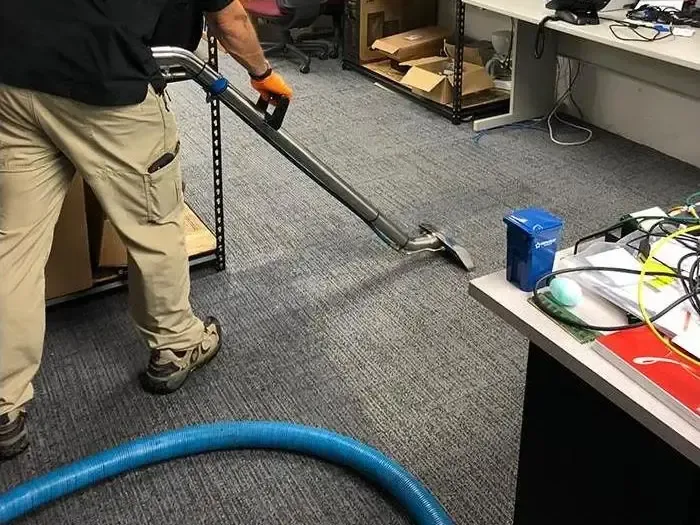
How commercial water damage is handled
A business loss needs a clear record of affected rooms, utilities and contents. The mitigation team coordinates access with the responsible property contact while keeping safety and material conditions ahead of operating preferences.
Rapid local response
The response team prioritizes active water and asks about safe entry, continuing flow and occupied rooms. A clear description helps the assessment focus on hazards before equipment reaches the wet area.
IICRC S500 drying standard
The drying crew sets material goals against unaffected references, sizes dehumidification to the evaporation load and adjusts airflow as readings change. A dry surface alone never closes the moisture record.
Claim-ready documentation
The mitigation team records the source, affected materials, photographs and daily readings in a room-by-room scope. The insurer reviews that evidence against the policy and makes the coverage decision.
Local water experts
The technician distinguishes plumbing discharge from outside water at the actual building. Different floor assemblies, access restrictions and contents call for different drying methods, even when neighboring rooms share the same leak.
First steps for commercial water damage
- Identify the responsible contact
The manager or owner establishes who can authorize access and contents movement. A clear contact helps the crew coordinate the building assessment and avoid conflicting instructions.
- Separate the wet area
Staff keep customers and occupants away from wet electrical equipment, unstable finishes or contaminated water. The response team checks whether unaffected areas can remain safely isolated.
- Record contents in place
Photographs and a basic item list help preserve the loss condition. Staff avoid moving wet stock into clean areas without a relocation and assessment plan.
- Describe shared connections
The initial report includes rooms above or below and any shared utility spaces. The technician checks those routes when water may have crossed a tenancy boundary.
What does commercial water damage cost in Monument, CO?
Commercial water mitigation often starts around $2,500 and can reach $15,000 or more as area, contents and access grow. Multiple drying zones, contaminated materials and specialized equipment assessment create separate scope considerations.
Contained work-area loss
$2,500 to $5,000
- Focused water recovery
- Contents-access planning
- Initial drying and records
Several business rooms
$5,000 to $15,000
- Multiple wet assemblies
- Coordinated equipment zones
- Daily progress documentation
Broad or complex building loss
$15,000 to $30,000+
- Expanded removal and cleaning
- Specialist contents coordination
- Detailed repair boundaries
Category, wet square footage, material class and the delay before drying change the scope. The Monument water damage cost calculator gives an estimate only; the inspection establishes the work.
Documentation for your insurance claim
The restoration team assembles timestamped photographs, a moisture map, daily psychrometric logs and a room-by-room scope. Sudden accidental water damage, long-term leakage and outside flooding can receive different treatment. The property owner checks the policy with the insurer; documentation supports review without promising payment for mitigation, access or plumbing repair.
The commercial water damage process
Establish access and priorities
The assessor meets the responsible contact, identifies hazards and maps affected rooms. Contents priorities and operating needs inform the plan only after safe access and contamination conditions are understood.
Recover water and protect clean zones
The crew extracts standing water and establishes routes for equipment and removed materials. The plan records contents movement so wet items do not create an untracked loss in an unaffected room.
Dry by material and work zone
The operator groups equipment around the actual wet assemblies and access constraints. Readings track individual zones, allowing the scope to reflect different material responses rather than one building-wide estimate.
Document the handoff to repairs
The final record identifies dried materials, remaining specialist checks and finish work. The owner or manager uses those findings alongside the appropriate safety reviews when deciding how each space returns to use.
Inside the commercial water damage assessment
Water in a business can interrupt circulation, affect equipment and spread beneath furnishings before the source is isolated. The assessor identifies the responsible property contact and checks safe entry. An operating schedule informs access planning, but it cannot override contaminated conditions or electrical hazards.
Defining the work zone before equipment arrives
Businesses around Second Street may have connected rooms with different uses and contents. The technician maps the water path and determines whether a dry area can remain separate from the loss. Clear equipment and waste routes help prevent water or contamination from crossing unaffected spaces.
- The initial record identifies affected work areas and any shared utility or drainage connections.
- Electrical equipment contacted by water requires an appropriate trade assessment.
- Exit routes and safe circulation remain part of the equipment-placement plan.
- The property contact confirms access permissions and the people responsible for contents decisions.
The property manager and restoration team review hazards, work zones and safe access before deciding which areas can remain occupied during cleanup.
Protecting contents while reaching wet surfaces
At properties along Highway 105, a water loss can involve movable stock, desks or storage that blocks floor access. The restoration team records the original condition and relocation plan. Moving an item into a clean room without checking its wet surfaces can transfer moisture or contamination.
- Inventory photographs connect affected items with their original room and position.
- Heavy furnishings need safe movement and support on weakened or wet flooring.
- Absorbent goods and packaging require a different assessment from washable hard surfaces.
- Access below cabinets and equipment helps reveal moisture that an open-floor inspection misses.
The scope distinguishes building mitigation from specialist contents work. Sensitive equipment or regulated materials may need evaluation by the appropriate responsible trade or authority.
A business loss needs a clear work boundary and contents plan. The assessor checks affected rooms, utilities and access before organizing extraction and drying.
(888) 532-8620Review the business rooms and contents at riskCoordinating drying and the return of space
A commercial building near Old Denver Road can contain several floor and wall assemblies within one tenancy. The drying team establishes goals for each retained material and records progress by zone. Enclosed offices and storage rooms receive their own moisture checks before returning to normal use.
- Equipment placement accounts for monitored access and safe routes through the building.
- Daily readings identify zones that are progressing and those requiring more access.
- The closing scope separates completed drying from electrical, plumbing and finish repairs.
The property contact receives a practical record of what has been assessed and what remains. Reopening decisions follow safety, material condition and any applicable specialist requirements rather than a general promise tied to the business calendar.
Safe access comes first
The response team assesses electrical contact, unstable ceilings and contaminated water before extraction begins. Occupants keep clear of affected rooms until the hazards have been checked. A plumber isolates an active supply failure; drying follows source control and inspection of the materials beneath the visible damage.
Property owners can review flood safety precautions and EPA indoor air information alongside the onsite assessment.
Commercial water damage in Monument
The restoration team serves ZIP 80132, including properties around Second Street, Old Denver Road and Higby Road. The assessment follows the actual water source and wet materials at each building. Nearby service includes Palmer Lake, Castle Rock, Castle Pines, Parker and Lone Tree.
The response team checks access, occupied rooms and the location of the shutoff before planning equipment placement.
Related water damage services in Monument



Commercial Water Damage questions in Monument, CO
Discuss the wet materials
A business loss needs a clear work boundary and contents plan. The assessor checks affected rooms, utilities and access before organizing extraction and drying.
(888) 532-8620Review the business rooms and contents at riskCan a business stay open during restoration?
That depends on hazards, contamination and whether the affected work zone can remain safely separate. The assessor reviews those conditions with the responsible contact. Equipment planning can account for operations, but no general promise of continued use replaces the building-specific safety decision.
Who authorizes work in a leased space?
The tenant and property owner review their agreement and establish the responsible contact for building access and repairs. The restoration team records those instructions. Shared walls, utilities or rooms may require coordination before the scope can be finalized.
Does the crew handle every type of business equipment?
Building mitigation and specialist equipment assessment are different tasks. Water-contacted electronics, machinery or sensitive contents may need the appropriate specialist. The scope should identify those boundaries rather than treating a dry room as proof that every item is safe to operate.
Why keep a contents relocation record?
The record links an item's original condition with its temporary location and any assessment needs. It helps prevent wet goods from contaminating clean rooms and supports later review of damage. Photographs before movement make that record more useful.
Can one dry zone reopen before another?
The responsible property contact considers safety, separation and remaining work with the relevant professionals. Material readings can show different progress by zone. A decision for one room does not automatically approve a neighboring area with wet concealed materials or unresolved utility issues.
What supports a commercial insurance review?
Source observations, affected-room plans, contents records, photographs, equipment logs and itemized scopes help explain the loss. The insurer applies the policy to building damage and any other claimed costs. The mitigation team documents conditions without deciding coverage or business-income payment.
Plan the water response around the actual building
The restoration team separates wet zones, records contents movement and tracks retained materials through the drying process.
(888) 532-8620Arrange a commercial water-loss assessment