Water Damage Restoration Monument, CO
Monument water damage professionals remove standing water, inspect hidden moisture and dry affected materials to IICRC S500 goals. Emergency dispatch operates 24/7 for active leaks, flooded rooms and sewage backups.
(888) 532-8620Explain the leak and start the assessmentThe first assessment identifies the source, safe access and the rooms that water has reached.
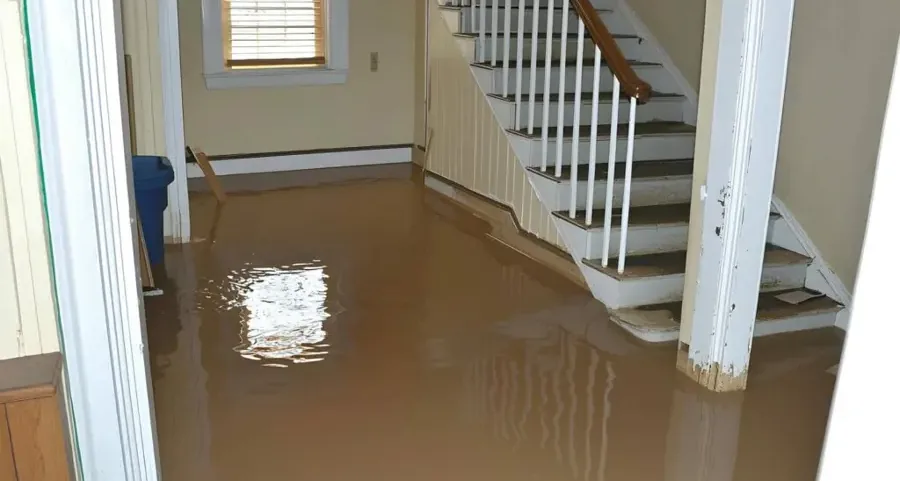
Water Damage Restoration Services in Monument, CO
The water source sets the cleanup method. Each service addresses a different entry path, material problem or drying condition, from a single wet cabinet to several affected floors.
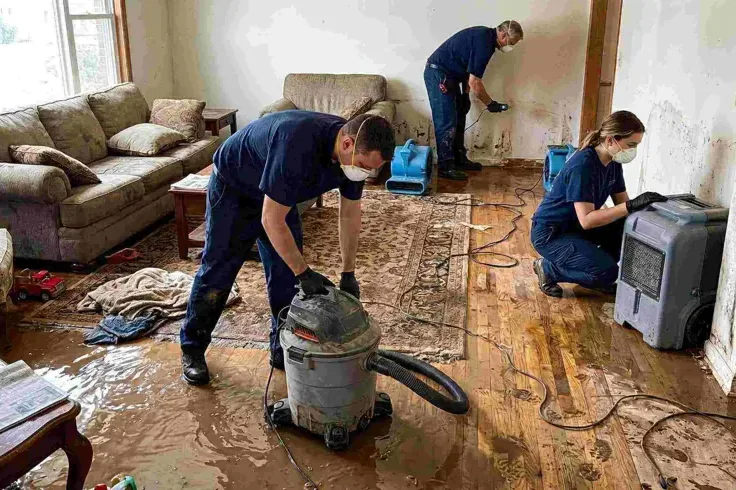
Water Extraction and Removal
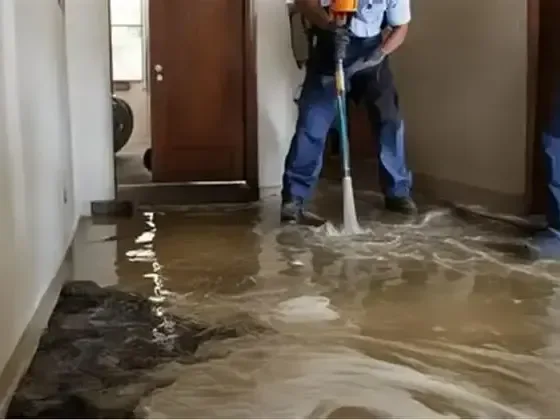
Pumps and extraction tools remove pooled water so the crew can assess the moisture left in floors, wall bottoms and contents.
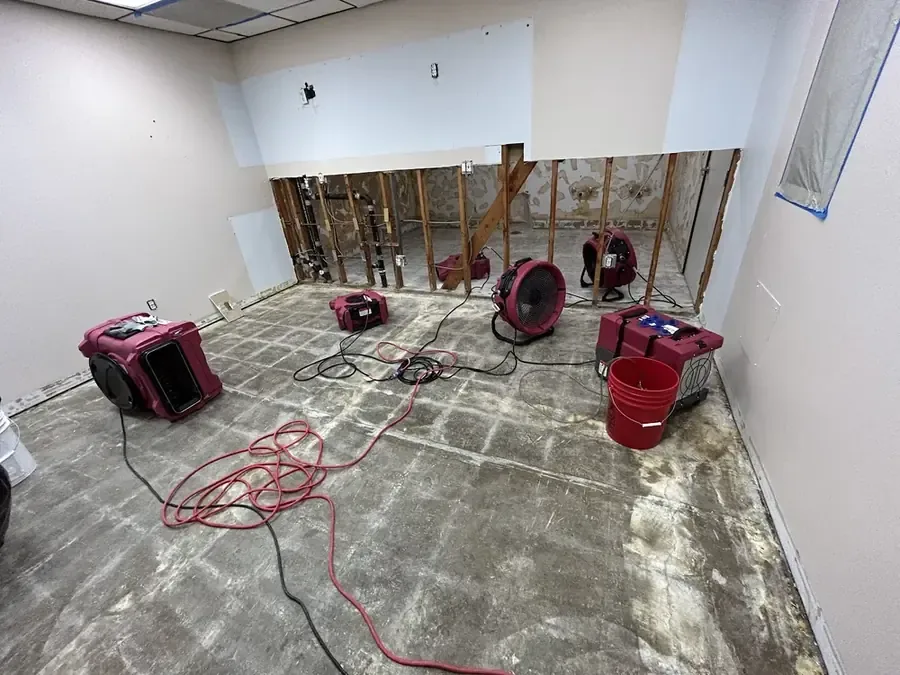
Slab Leak Water Damage
A confirmed underfloor pipe failure calls for careful flooring access and slab moisture checks after a plumber controls the leak.
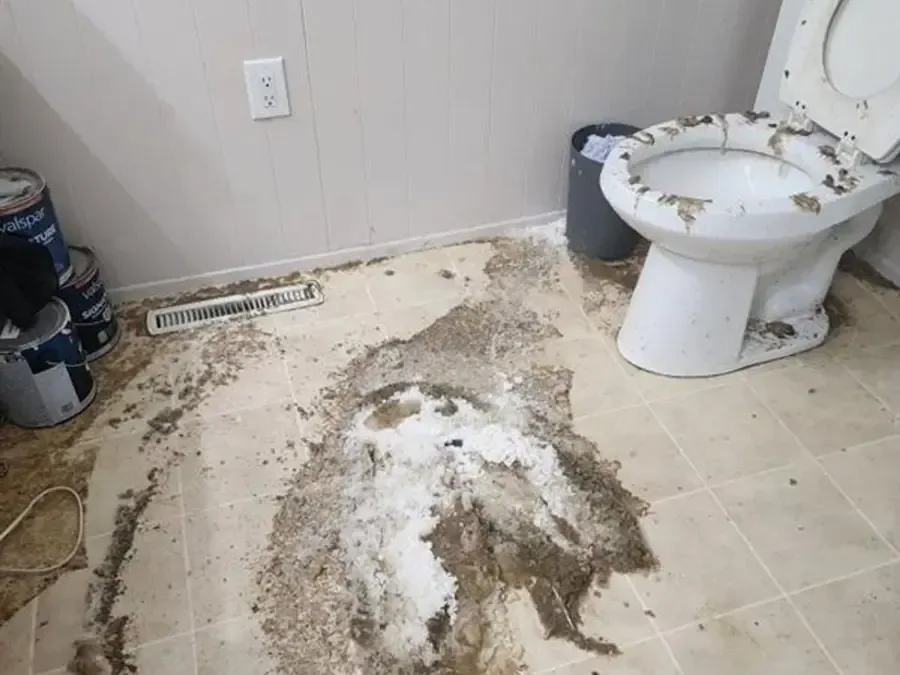
Sewage Backup Cleanup
Wastewater return requires containment, contaminated porous-material removal and cleaning before the drying equipment begins its work.
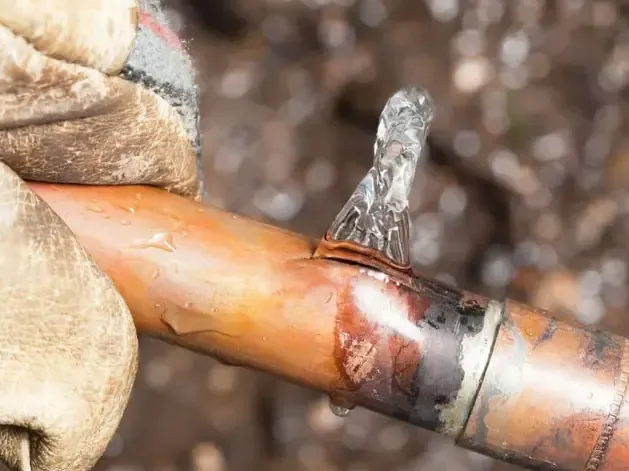
Burst Pipe Water Damage
A pressurized break can wet rooms beyond the damaged fitting. The moisture map follows the spray and concealed drainage paths.
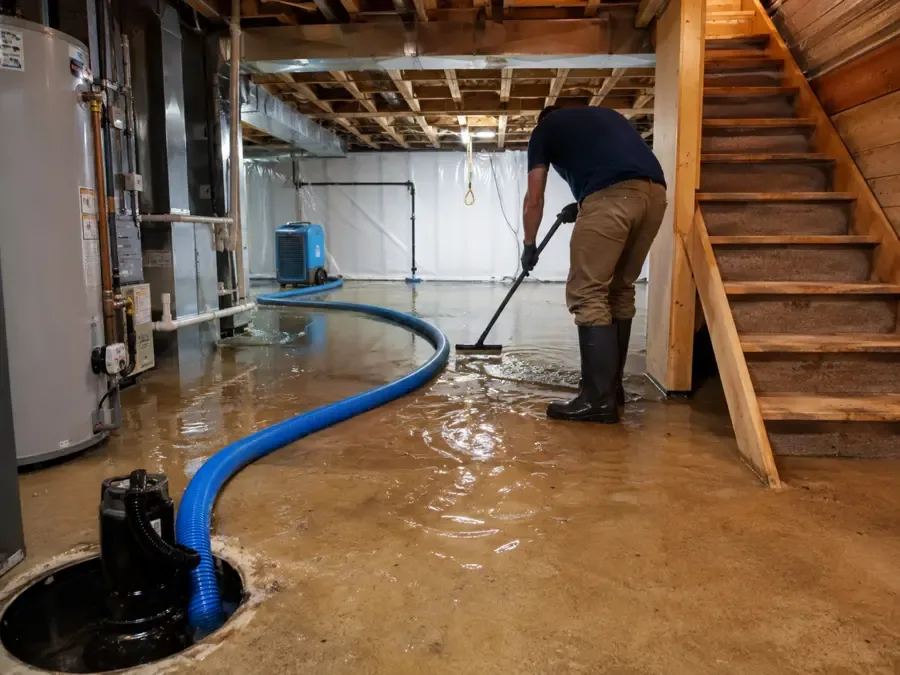
Storm and Flood Cleanup
Outside runoff brings sediment and contamination indoors. Cleanup separates source control, debris removal and drying of the remaining structure.
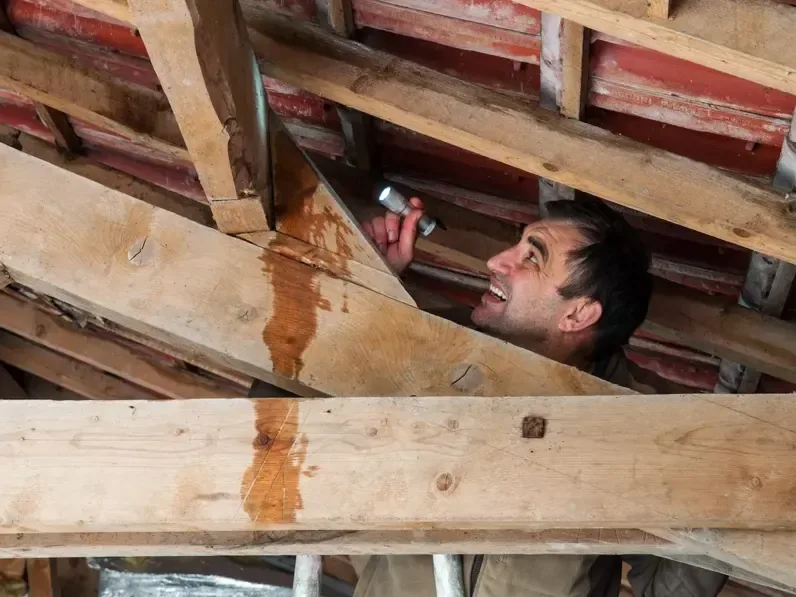
Roof Leak Water Damage
Rain can travel along framing before staining a ceiling. Attic inspection traces that route and checks insulation beneath the entry point.
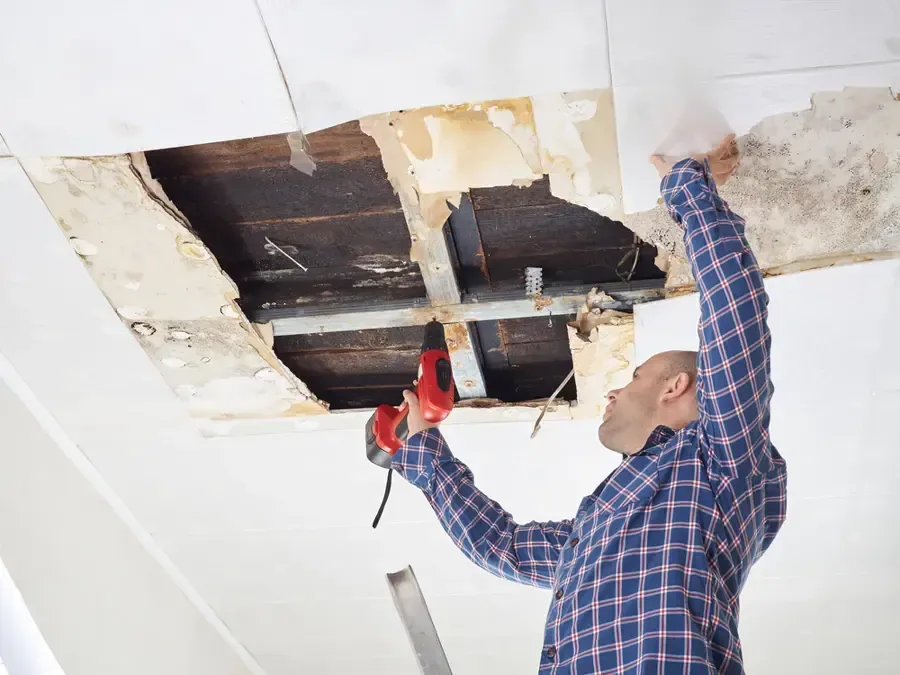
Ceiling Leak Water Damage
Sagging drywall and wet fixtures change the safety plan. The team checks the room above and protects the area below.
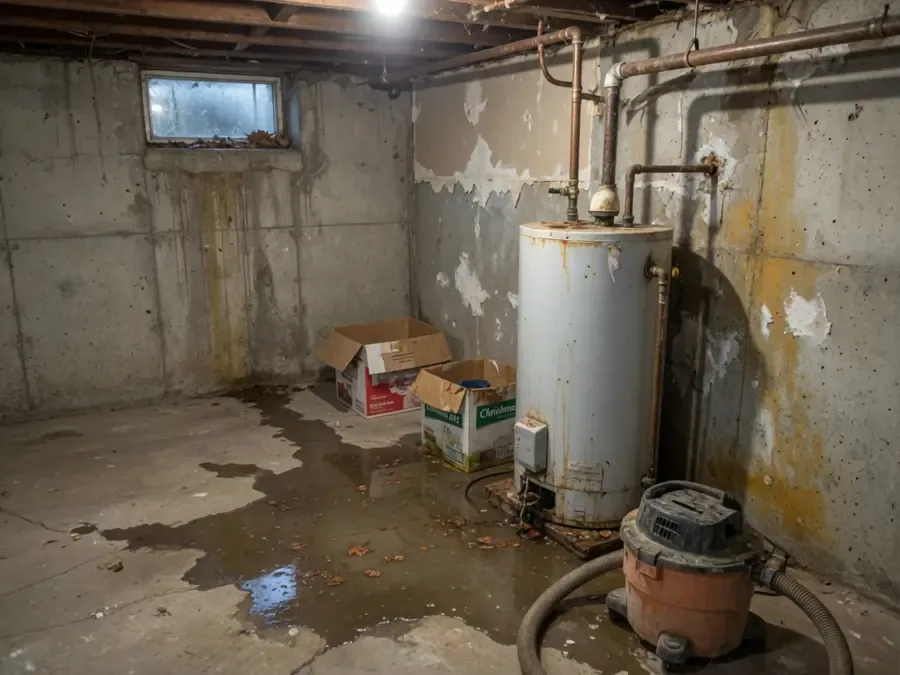
Water Heater Leak Cleanup
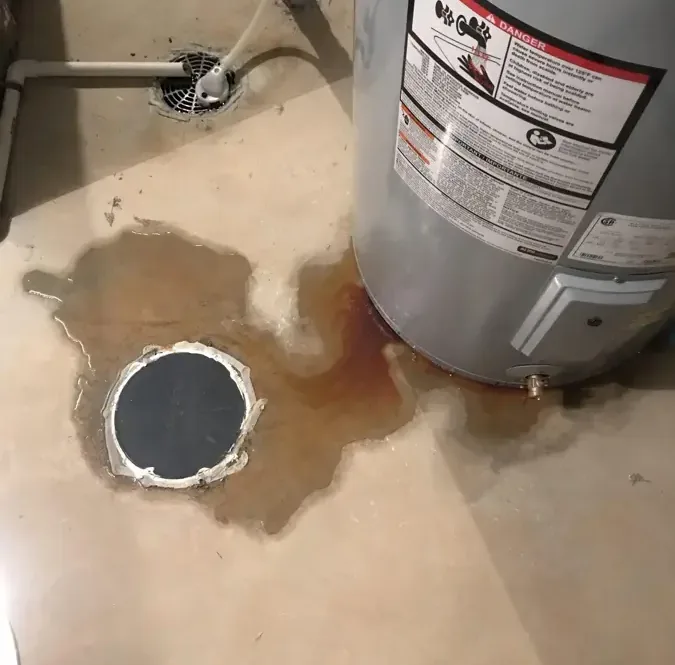
Tank discharge can soak a platform, wall base and neighboring storage. Extraction reaches beneath those surfaces before drying starts.
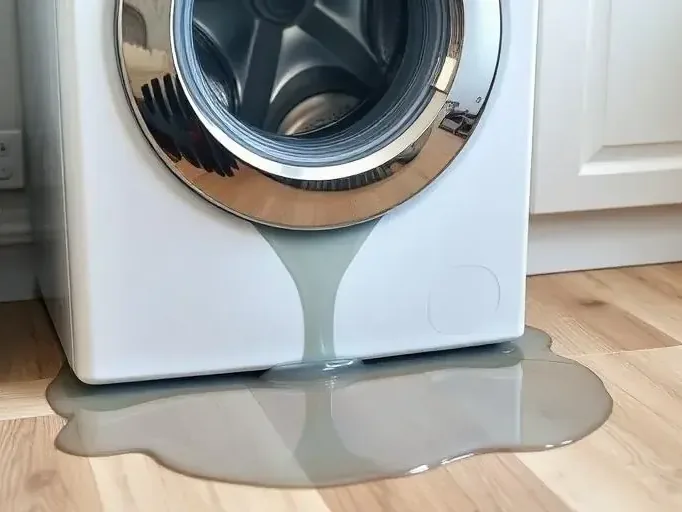
Appliance Leak Water Damage
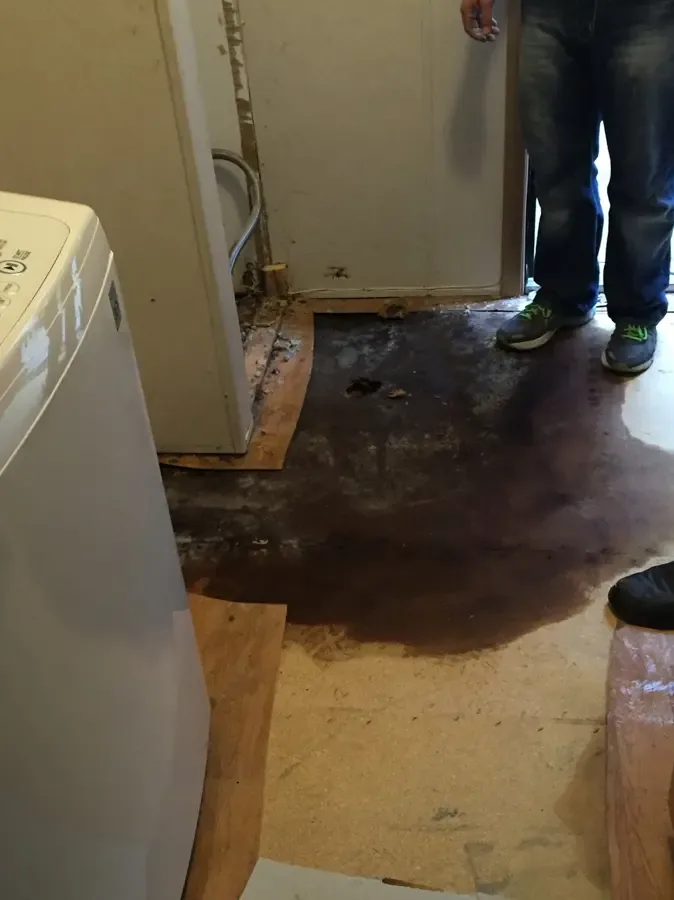
A small feed or drain leak may hide beneath cabinets. The inspection follows water under the appliance and into adjoining floor layers.
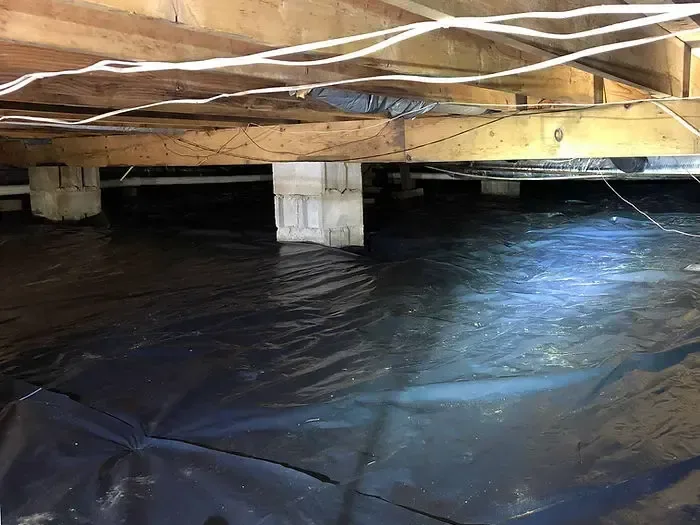
Crawl Space Water Removal
Where an underfloor space exists, the crew checks entry hazards, removes pooled water and measures the moisture remaining in timber.
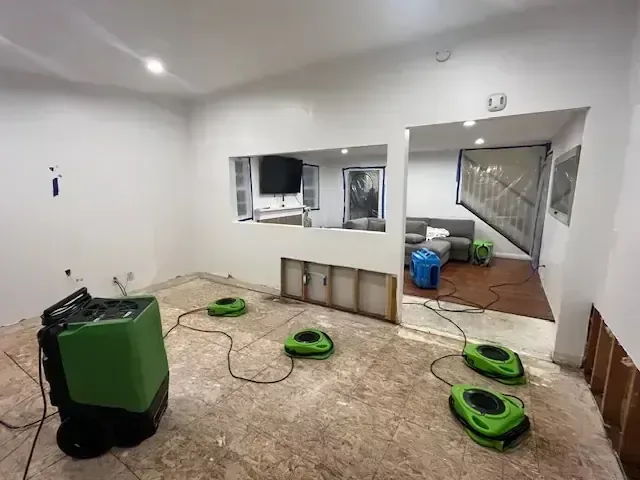
Structural Drying
Airflow, dehumidification and repeated readings work together. The equipment plan changes when materials stop responding as expected.
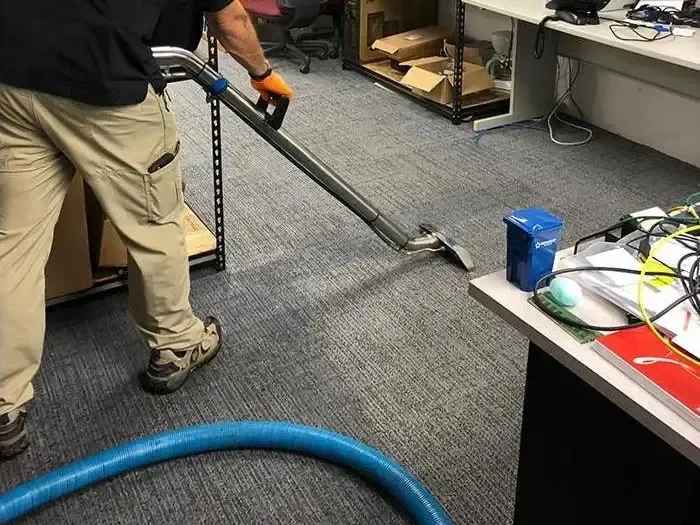
Commercial Water Damage
A business loss requires contents protection, safe work zones and a documented scope that separates affected rooms from usable areas.
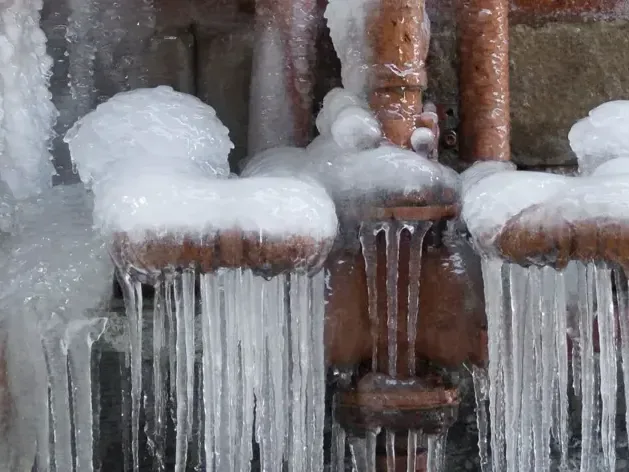
Frozen Pipe Water Damage
A thaw can reveal a split in cold-exposed plumbing. The assessment checks for multiple leaks and water hidden behind finishes.
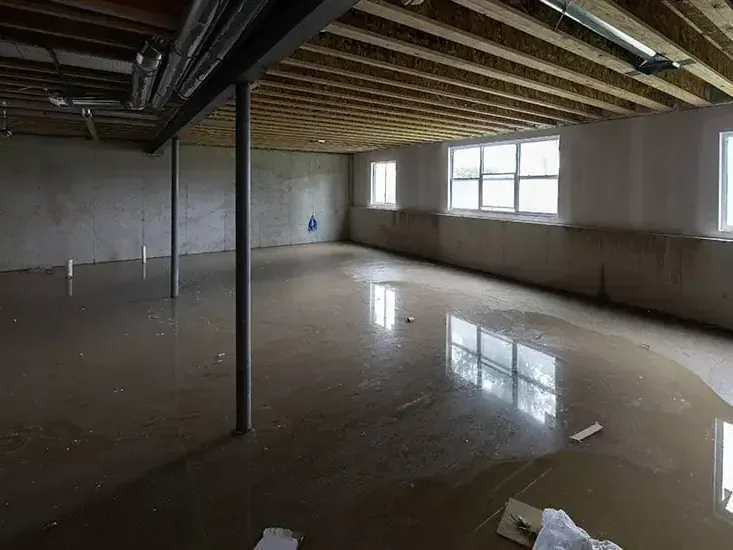
Basement Water Removal
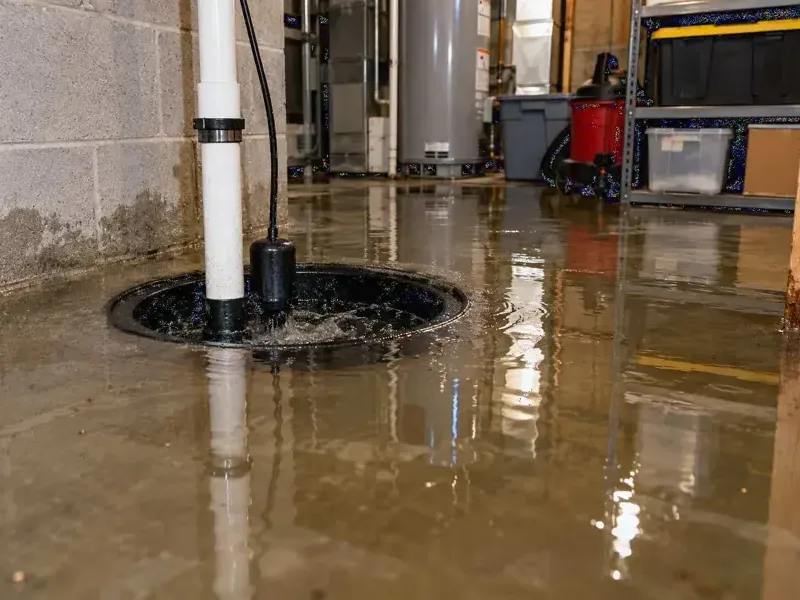
Below-grade standing water needs an electrical and structural review before pumping, followed by inspection of wall bases and floor assemblies.
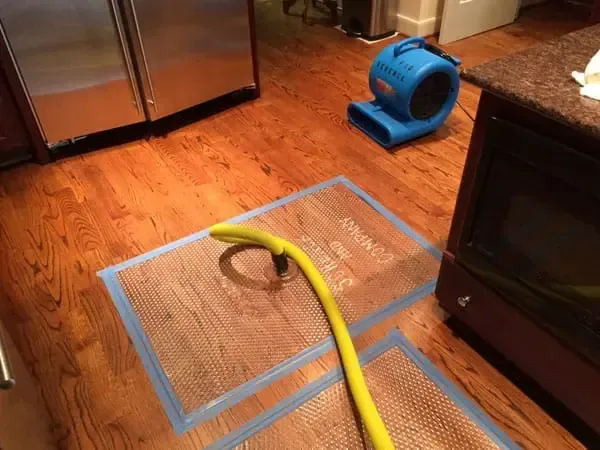
Hardwood Floor Water Damage
Board edges, fasteners and subfloor readings help establish whether controlled drying remains practical before any sanding or replacement decision.
Water damage dried to the IICRC S500 standard
The drying plan pairs extraction with humidity control and material testing. A technician checks both room conditions and the moisture held below the surface before deciding that equipment can leave.
Moisture map before equipment
Airflow matched to materials
Dry references for comparison
The sequence behind a measured dry-out
Identify the path
The assessor follows water from its source through connected rooms, checking floor edges, wall bottoms and concealed cavities rather than stopping at the largest puddle.
Remove recoverable water
The extraction crew uses the tool suited to the surface and access. Repeated passes remove liquid before dehumidification addresses moisture inside materials.
Control the drying space
The drying team sets airflow and dehumidification around the wet assembly, protects occupied areas and tracks temperature and humidity alongside material readings.
Verify the finish
The technician compares the final readings with dry references and records any remaining repair needs. A normal-looking surface does not replace that moisture check.
Water damage service across Monument and nearby communities
Local reference points
ZIP served
Nearby towns and cities
Monument water damage help, 24/7
The response team confirms the property location and safe entry before arranging an assessment. A useful description includes the water source and the affected floor.
Homes and businesses need an inspection of their own materials. Nearby properties can have different plumbing, floor assemblies and access requirements even after the same storm.
(888) 532-8620Discuss the location and wet-room accessMonument, CO · [email protected]
See the towns and cities servedWhat a water damage dry-out looks like in Monument
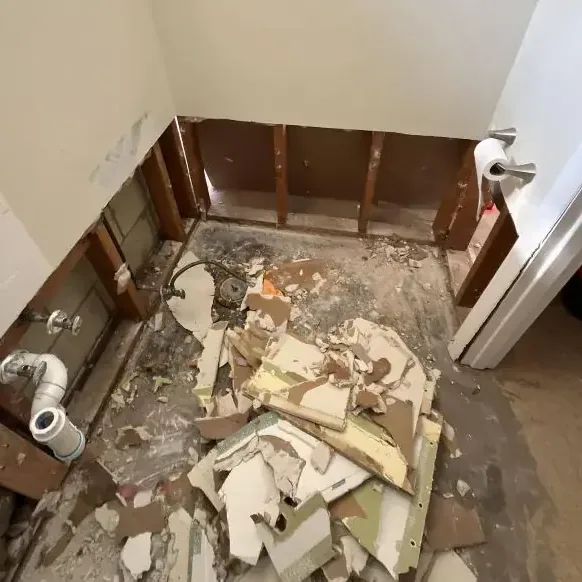
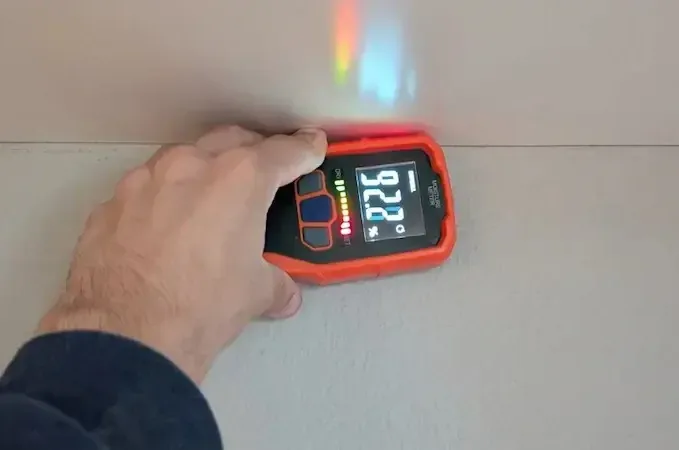
How the dry-out stays accountable
The restoration team uses a room-by-room moisture record to explain the scope. Every removal and drying decision follows the source, material condition and safe access.
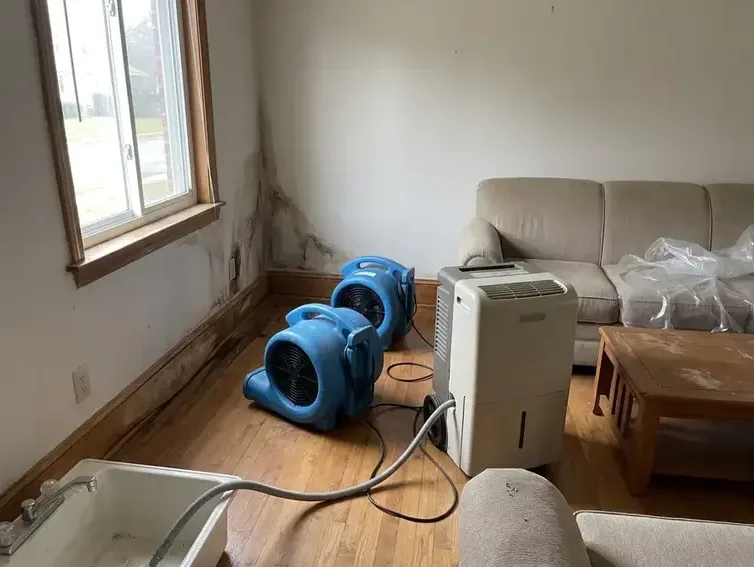
Rapid local response
The response team prioritizes active water, asks about hazards and organizes access. A useful description of the wet rooms helps focus the first walkthrough.
IICRC S500 drying standard
The drying crew establishes material-specific goals, compares wet areas with unaffected references and changes equipment placement when the readings show slow progress.
Claim-ready documentation
The technician records photographs, moisture locations and daily drying conditions. A clear scope distinguishes water mitigation from plumbing repair and later finish replacement.
Local water experts
Palmer Divide winter exposure and summer rain create different questions. The inspection determines whether the actual building has a plumbing failure, roof entry or outside runoff.
What does water damage restoration cost in Monument, CO?
A contained water loss often falls around $1,000 to $3,000 for extraction and drying; several rooms or contaminated materials can reach $3,000 to $10,000 or more. The inspection establishes the actual scope, equipment and removal needs.
Contained supply loss
$1,000 to $3,000
- Limited wet floor area
- Accessible source control
- Material readings and drying
Several affected rooms
$3,000 to $7,000
- Broader moisture mapping
- More drying equipment
- Selective finish removal
Contaminated or complex loss
$5,000 to $10,000+
- Controlled removal and cleaning
- Difficult material access
- Extended drying verification
Water category, affected square footage, material class and the delay before drying drive the range. The water damage cost calculator offers an estimate only, separate from an inspected scope.
Documentation for your insurance claim
The mitigation team creates a record that explains what got wet, what required removal and how the remaining materials responded to drying. The insurer evaluates coverage under the policy.
- Timestamped photographs before materials are disturbed
- A room-by-room moisture map and source description
- Daily temperature, humidity and material readings
- Water category and affected-material classification
- An itemized scope separating mitigation and repairs
Policy terms still decide coverage
Sudden plumbing damage, gradual seepage, sewage backup and outside flooding can fall under different provisions. The property owner checks the relevant coverage and deductible with the insurer.
The drying record supports the claim review. The restoration contractor documents observations without promising reimbursement, waiving a deductible or deciding whether a specific loss qualifies.
What to do while the water is still moving
- Avoid energized water
Occupants stay out of water near outlets, cords or equipment. An electrical professional checks unsafe circuits before anyone enters the wet room.
- Stop a reachable supply
An accessible shutoff can limit a plumbing loss when the route remains dry and safe. A plumber handles an inaccessible or damaged valve.
- Keep the source visible
Photographs from a safe position record the water path and affected belongings. The owner notes when the leak first appeared.
- Separate people from sewage
Children and pets remain outside the affected area. Household fans can spread contaminated droplets and should stay off around wastewater.
- Describe the affected rooms
The response team needs the source, continuing flow and any ceiling movement. Those details support the equipment and access plan.
Local conditions shape the inspection
Monument sits at the Rampart Range below the Palmer Divide. Cold, snowy winters and relatively rainy summers make source identification important; an indoor leak still requires a building-specific diagnosis.
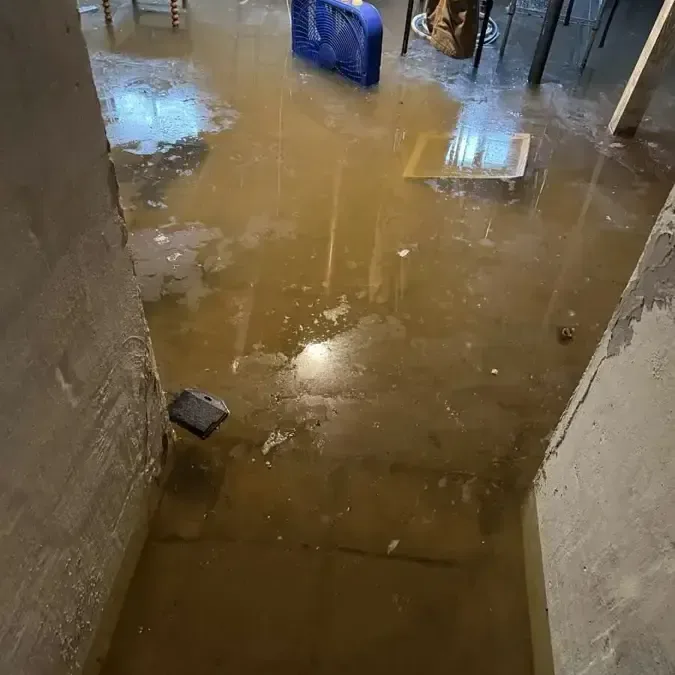
Seasonal exposure: The town climate includes cold winters. A plumber checks cold-exposed supply sections when reduced flow or a thaw reveals a suspected break.
Palmer Divide cold
Cold-exposed plumbing needs attention during a freeze. The crew traces thaw leakage through surrounding materials and checks nearby connections for additional water.
Summer rainfall
Roof entry and ground-level runoff leave different water paths. The inspector checks the attic, exterior entry points and interior spread before planning removal.
Monument Creek setting
Property-specific flood maps identify the mapped flood zone near Monument Creek. After water enters a building, the inspection traces its entry point and the materials it reached.
Town corridors
Second Street, Old Denver Road and Higby Road help describe location and access. At the property, the assessor checks construction, accessible piping and the route to the affected rooms.
Hidden floor moisture
Slabs, timber assemblies and finish layers each require their own measurements. The technician records the actual construction instead of guessing from the neighborhood.
All water damage categories covered in Monument, CO
Category 1: clean supply
A sanitary supply release starts with a different cleanup plan from wastewater. Time and contact with dirty materials can change the assessment.
Remove the standing supply waterCategory 2: contaminated water
Appliance discharge can carry contaminants into pad and cabinet bases. The crew assesses the actual water and removes unsuitable materials before drying.
Inspect appliance discharge pathsCategory 3: sewage or runoff
Sewage and outside floodwater demand controlled access and removal of affected porous materials. Surface drying alone cannot resolve that contamination.
Review sewage cleanup stepsWater damage questions in Monument, CO
Describe what is wet
The response team can begin with the water source, affected rooms and any unsafe conditions. Active spreading water receives urgent attention through 24/7 dispatch.
(888) 532-8620Talk through the water-loss detailsWhat happens during the first water damage assessment?
The technician checks safe entry, the source and the visible water path. Moisture readings extend that inspection into adjacent materials. The resulting scope explains extraction, any necessary removal, equipment placement and the readings needed to verify drying.
Can a room be wet after the floor looks dry?
Yes. Wall bottoms, pad and subfloor can hold moisture after exposed surfaces improve. The drying crew compares those materials with unaffected references and keeps testing the same locations. The final moisture record shows when those layers have reached their drying goals.
How long does structural drying take?
A small clean-water loss may dry within several days, while dense or enclosed materials can require longer. Extraction quality, access and indoor humidity all matter. The technician bases equipment removal on material goals and recorded progress rather than a promised date.
Does winter weather change the inspection?
Cold weather adds questions about exposed pipes, unheated spaces and leaks that appear during thawing. A plumber locates and controls the damaged supply. The mitigation team then checks the water path, including rooms below the apparent break.
Is storm runoff handled like a burst supply pipe?
No. Outside runoff can carry sediment and contamination into porous materials. The crew evaluates category, controls access and removes unsuitable materials before drying. A sanitary supply release may allow more material to remain when its condition supports that decision.
What belongs in an insurance record?
A useful record includes source observations, photographs, a moisture map, daily drying logs and an itemized scope. The insurer determines coverage. The owner checks policy conditions because plumbing leaks, sewage backup and outside flooding can receive different treatment.
When does drywall need removal?
The technician evaluates contamination, loss of strength, insulation behind the board and access for drying. A sound clean-water assembly may permit selective access. Sewage-contacted porous material or unstable drywall requires a different removal plan.
Can household fans finish the drying?
A household fan moves air but does not remove indoor moisture or measure the water inside materials. The drying team pairs controlled airflow with dehumidification and readings. Fans should not circulate air through a sewage-contaminated area.
What affects the restoration cost most?
Wet area, category, material class, access and the time before drying shape the work. A small accessible supply leak differs from several rooms with contaminated pad and wall insulation. The inspected scope separates mitigation costs from plumbing and finish repairs.
Start with a clear picture of the wet rooms
The restoration team checks the source, removes standing water and tracks the structure through a measured dry-out.
(888) 532-8620Arrange the next step for wet materials