Roof Leak Water Damage in Monument, CO
Roof leak water damage in Monument can appear well away from the roof opening. The mitigation team follows wet framing and insulation toward the stained ceiling, then dries the interior after roof-source control.
(888) 532-8620Discuss the roof entry and wet attic path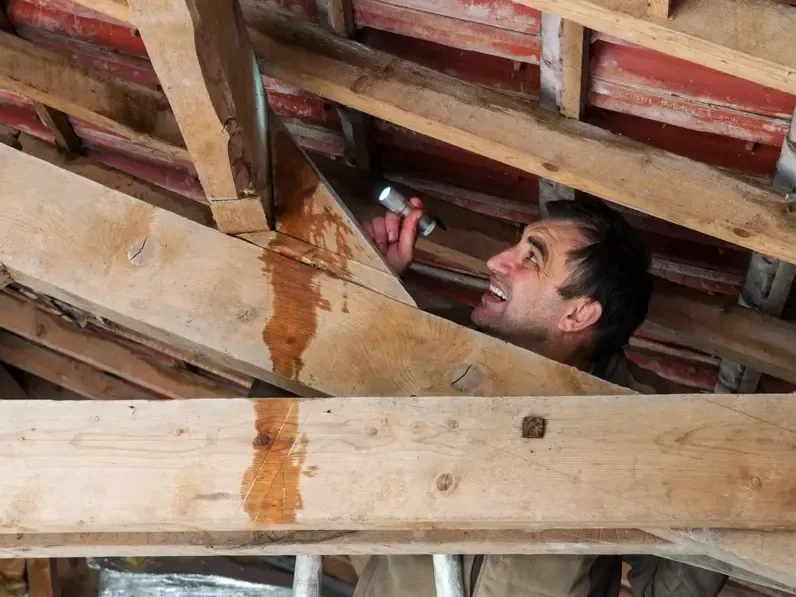
How roof leak water damage is handled
A ceiling mark identifies an affected surface, not necessarily the roof defect above it. The restoration assessor traces interior spread while a roofing professional evaluates and controls the envelope opening.
Rapid local response
The response team prioritizes active water and asks about safe entry, continuing flow and occupied rooms. A clear description helps the assessment focus on hazards before equipment reaches the wet area.
IICRC S500 drying standard
The drying crew sets material goals against unaffected references, sizes dehumidification to the evaporation load and adjusts airflow as readings change. A dry surface alone never closes the moisture record.
Claim-ready documentation
The mitigation team records the source, affected materials, photographs and daily readings in a room-by-room scope. The insurer reviews that evidence against the policy and makes the coverage decision.
Local water experts
The technician distinguishes plumbing discharge from outside water at the actual building. Different floor assemblies, access restrictions and contents call for different drying methods, even when neighboring rooms share the same leak.
First steps for roof leak water damage
- Stay below stable areas only
Occupants avoid sagging ceiling sections and wet light fittings. The team reviews overhead and electrical hazards before anyone enters the affected room.
- Leave roof access to the trade
The property owner avoids climbing onto a wet roof. A roofing professional evaluates safe access and the temporary or permanent source-control work.
- Protect contents from a safe position
Light belongings can move away from dripping water when the route is dry and the ceiling remains stable. Heavy contents wait for an access assessment.
- Document weather and marks
The owner notes when dripping begins and photographs visible staining safely. Those details help distinguish continuing rain entry from moisture remaining after the event.
What does roof leak water damage cost in Monument, CO?
Interior mitigation after a roof leak commonly costs $1,000 to $5,500. Multiple attic bays, unstable ceiling material or broader insulation removal increase the scope. Roofing repairs and replacement finishes are priced separately from drying.
Localized ceiling area
$1,000 to $2,300
- Moisture-path inspection
- Limited interior access
- Focused drying
Attic and ceiling assembly
$2,300 to $5,500
- Wet insulation assessment
- Framing moisture checks
- Controlled cavity drying
Several overhead areas
$5,500 to $9,000+
- Broader safe removal
- Multiple wet bays
- Extended material monitoring
Category, wet square footage, material class and the delay before drying change the scope. The Monument water damage cost calculator gives an estimate only; the inspection establishes the work.
Documentation for your insurance claim
The restoration team assembles timestamped photographs, a moisture map, daily psychrometric logs and a room-by-room scope. Sudden accidental water damage, long-term leakage and outside flooding can receive different treatment. The property owner checks the policy with the insurer; documentation supports review without promising payment for mitigation, access or plumbing repair.
The roof leak water damage process
Coordinate roof and interior findings
The roofer evaluates the entry defect while the mitigation technician records the water path below it. The combined findings distinguish source control from the interior materials requiring removal or drying.
Create safe drying access
The crew checks ceiling stability, insulation condition and electrical exposure before opening finishes. The access plan exposes wet materials without treating every visible stain as the full boundary of damage.
Manage the enclosed moisture
Directed airflow and dehumidification address retained timber and ceiling assemblies. The operator checks actual conditions in enclosed bays because room-level humidity alone cannot show whether an attic cavity is responding.
Document readiness for finish work
The technician revisits mapped locations and records the drying goal. Interior repair follows those findings, while the roofing professional remains responsible for assessing whether the exterior entry has been corrected.
Inside the roof leak water damage assessment
Water entering a roof can travel along a rafter, sheathing seam or penetration before it reaches the ceiling. The mitigation technician checks the interior route instead of positioning equipment only below the stain. Roof repair and interior drying address different parts of the same loss.
Tracing rain entry above the ceiling
The Rampart Range setting does not identify which roof component failed. At a property near Second Street, the roofing professional checks the actual covering, flashing and penetrations while the restoration team documents wet interior materials. The inspection records whether the leak continues during rain or remains as absorbed moisture after weather clears.
- A wet framing member can carry water laterally before a drip appears below.
- Insulation may conceal the reach of water across the ceiling assembly.
- Electrical fittings and ceiling movement require a safety assessment before access.
- Photographs should capture the original interior marks before finishes are disturbed.
The scope avoids guessing at a roof repair from the ceiling stain alone. The source assessment and moisture map belong together in the loss record.
Handling insulation and overhead finishes
Buildings around Higby Road can have enclosed overhead spaces that restrict drying access. The crew evaluates wet insulation, ceiling strength and the path to the attic. Saturated or unsuitable material needs controlled removal; simply increasing room airflow may leave the cavity above the ceiling wet.
- Compressed or saturated insulation can hold water against timber and ceiling board.
- Sagging drywall changes the entry plan because unsupported wet material may fall.
- Safe access must support the worker without relying on ceiling board as a walking surface.
- Openings follow the affected assembly rather than a fixed pattern under every stain.
The technician records removed material and the reason for removal. The owner can then distinguish access work, moisture mitigation and replacement insulation or finishes.
A ceiling stain may hide wet attic materials. The restoration assessor follows the interior route while the roofing professional addresses the entry point.
(888) 532-8620Review the attic and ceiling moisture pathDrying an attic assembly after source control
Cold, snowy winters on the Palmer Divide and relatively rainy summers can create different conditions during an interior dry-out. The operator checks actual attic and room readings rather than assuming that outside air will dry enclosed timber. Airflow and dehumidification need to reach the material without spreading contamination or disturbing unsafe components.
- Repeat measurements help show whether framing moisture is declining after the roof source stops.
- Continued high readings can prompt another check of an inaccessible bay or active entry.
- Ceiling repair waits until the retained structure reaches suitable material conditions.
The final moisture record supports interior repairs while the roofing professional verifies the envelope work. A fresh coat of ceiling paint would conceal the mark, but it would not establish source control or a dry attic assembly.
Safe access comes first
The response team assesses electrical contact, unstable ceilings and contaminated water before extraction begins. Occupants keep clear of affected rooms until the hazards have been checked. A plumber isolates an active supply failure; drying follows source control and inspection of the materials beneath the visible damage.
Property owners can review flood safety precautions and EPA indoor air information alongside the onsite assessment.
Roof leak water damage in Monument
The restoration team serves ZIP 80132, including properties around Second Street, Old Denver Road and Higby Road. The assessment follows the actual water source and wet materials at each building. Nearby service includes Palmer Lake, Castle Rock, Castle Pines, Parker and Lone Tree.
The response team checks access, occupied rooms and the location of the shutoff before planning equipment placement.
Related water damage services in Monument


Roof Leak Water Damage questions in Monument, CO
Discuss the wet materials
A ceiling stain may hide wet attic materials. The restoration assessor follows the interior route while the roofing professional addresses the entry point.
(888) 532-8620Review the attic and ceiling moisture pathWhy is the ceiling stain away from the roof leak?
Water can travel along framing or another surface before dripping onto the ceiling. The technician follows moisture above the visible mark, while a roofer investigates the envelope opening. The stain is a starting point for inspection rather than a reliable repair location.
Can insulation remain after a roof leak?
The assessor checks saturation, contamination, condition and access for drying. Some material may require removal because it holds water or no longer performs as intended. The scope should explain that decision instead of assuming every insulation type responds the same way.
Should the owner puncture a sagging ceiling?
A sagging wet ceiling may conceal electrical contact or unstable material. The owner keeps clear and lets the response team plan safe handling. An improvised opening can release water and debris onto people, contents or energized equipment below.
Does fixing the roof finish the restoration?
Roof repair controls entry. Wet sheathing, framing, insulation and ceiling layers still need assessment and drying or removal. The final record separates those tasks so a repaired roof does not hide unfinished interior moisture work.
Can outside air dry the attic?
Outdoor conditions and the construction of the attic determine whether ventilation helps. The drying operator checks temperature, humidity and material response rather than assuming open vents are enough. Enclosed wet bays may need a more directed drying arrangement.
What documentation supports an insurance review?
Roof findings, interior photographs, material readings and the mitigation scope help describe the source and resulting damage. The insurer determines coverage under the policy. The owner should distinguish the roof repair cost from water mitigation and later ceiling or insulation replacement.
Dry the assembly behind the roof-leak stain
The crew checks insulation, framing and ceiling condition before planning controlled access and material monitoring.
(888) 532-8620Arrange a roof-loss interior assessment