Storm and Flood Cleanup in Monument, CO
Storm flood cleanup in Monument starts with the route that outside water used to enter. The response team checks safe access, removes contaminated water and sediment, and plans drying for the structure that remains.
(888) 532-8620Describe the runoff entry and affected floor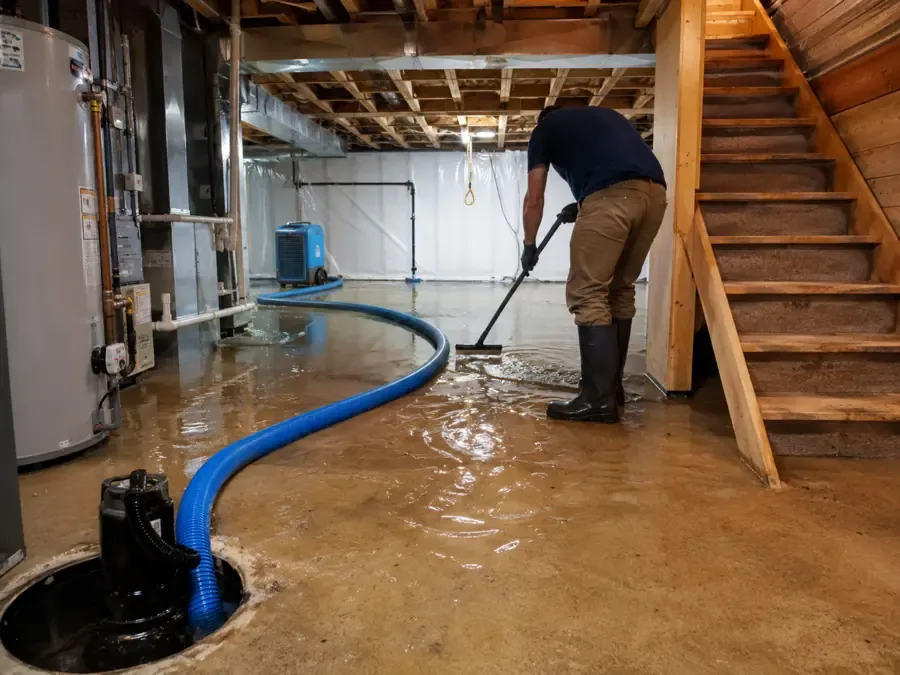
How storm and flood cleanup is handled
Floodwater can carry soil and contaminants into enclosed spaces. The crew separates entry control, debris removal and structural drying, using the actual water path to define the work instead of the nearest drainage feature.
Rapid local response
The response team prioritizes active water and asks about safe entry, continuing flow and occupied rooms. A clear description helps the assessment focus on hazards before equipment reaches the wet area.
IICRC S500 drying standard
The drying crew sets material goals against unaffected references, sizes dehumidification to the evaporation load and adjusts airflow as readings change. A dry surface alone never closes the moisture record.
Claim-ready documentation
The mitigation team records the source, affected materials, photographs and daily readings in a room-by-room scope. The insurer reviews that evidence against the policy and makes the coverage decision.
Local water experts
The technician distinguishes plumbing discharge from outside water at the actual building. Different floor assemblies, access restrictions and contents call for different drying methods, even when neighboring rooms share the same leak.
First steps for storm and flood cleanup
- Wait for safe entry
Occupants avoid flooded rooms and moving outside water. The response team reviews utility exposure and building stability before equipment enters the affected area.
- Record the water route
Safe photographs of entry points and sediment preserve useful evidence. The owner notes whether water rose from below, crossed a doorway or came from overhead.
- Keep dirty water contained
Wet shoes, contents and cleanup tools stay out of unaffected rooms. The crew sets a work route before removing contaminated material.
- Check continuing entry
Rain or blocked drainage may keep feeding the loss. Appropriate repair professionals assess the entry condition while mitigation controls the damage already inside.
What does storm and flood cleanup cost in Monument, CO?
Storm and flood mitigation commonly ranges from $2,500 to $10,000, with deeper contamination or several affected levels costing more. Water depth, sediment, porous removal and continuing entry shape the scope more than rainfall alone.
Limited runoff entry
$2,500 to $4,500
- Controlled water recovery
- Localized sediment cleanup
- Retained-material drying
Several contaminated rooms
$4,500 to $10,000
- Porous finish removal
- Expanded cleaning area
- Multiple drying positions
Extensive interior flooding
$10,000 to $18,000+
- Complex access and debris
- Broader contents assessment
- Longer drying verification
Category, wet square footage, material class and the delay before drying change the scope. The Monument water damage cost calculator gives an estimate only; the inspection establishes the work.
Documentation for your insurance claim
The restoration team assembles timestamped photographs, a moisture map, daily psychrometric logs and a room-by-room scope. Sudden accidental water damage, long-term leakage and outside flooding can receive different treatment. The property owner checks the policy with the insurer; documentation supports review without promising payment for mitigation, access or plumbing repair.
The storm and flood cleanup process
Review entry and hazards
The assessor checks how the water entered, whether entry continues and which utilities or structural materials it reached. That review determines safe access and the initial containment plan.
Recover water and sediment
The extraction crew removes accessible floodwater with equipment suited to debris and depth. Technicians then expose contaminated layers and handle waste through a controlled route away from clean areas.
Clean before drying
The team cleans retained surfaces after removing unsuitable porous materials. Dehumidification and airflow begin within that cleanup plan rather than circulating untreated flood contamination through the building.
Monitor and separate repairs
The technician records material progress and persistent wet boundaries. The final scope distinguishes completed mitigation from drainage, roofing or exterior repairs that another assessment must resolve.
Inside the storm and flood cleanup assessment
Rainwater that travels over the ground can bring sediment and contamination across a doorway or into a lower level. The restoration assessor records the entry path and the depth of spread. The crew evaluates the building before pumping because electrical exposure and unstable materials can make a seemingly shallow loss unsafe.
Identifying the actual storm-water entry
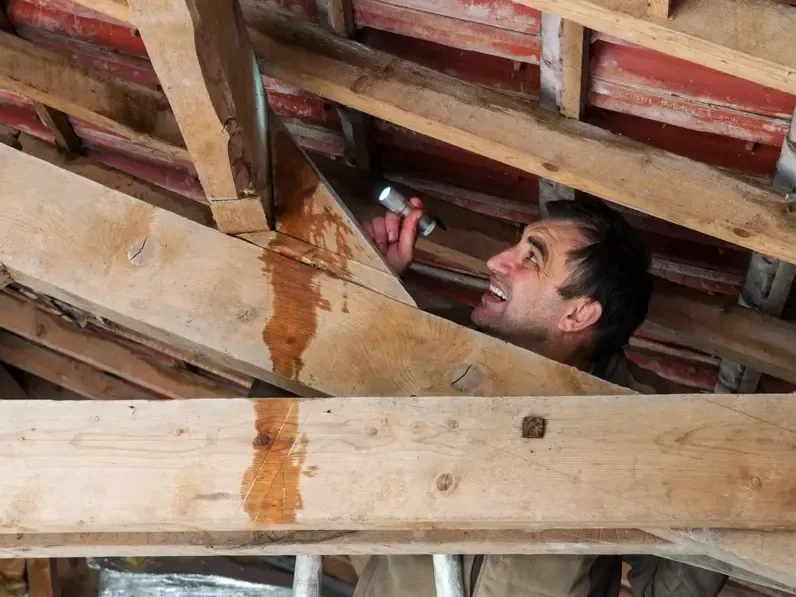
On the Palmer Divide, relatively rainy summers make storm-water entry a useful part of the property inspection. The technician checks exterior openings, low entry points and the observed interior path. A roof leak and ground-level runoff can occur during the same weather yet require different cleanup plans.
- Water marks and sediment help document the route before extraction changes it.
- Door thresholds, window wells and utility penetrations need inspection when they appear on the wet path.
- Continued rainfall can prevent safe source control or allow a second entry.
- The owner checks parcel flood information separately from the damage assessment.
For properties near Monument Creek, the inspection records entry marks, sediment and the route through affected rooms. Photographs preserve those details before removal and cleaning begin.
Removing mud and unsuitable finishes
At properties near Highway 105, outside water can leave dirt behind after the visible pool drains. The crew removes recoverable liquid and sediment while controlling movement into clean rooms. Porous finishes contacted by contaminated floodwater require an appropriate removal plan instead of a quick drying attempt.
- Absorbent flooring and wall materials can retain contaminants below a clean-looking surface.
- Framing and other retained surfaces need access for physical cleaning.
- Debris handling and disposal routes remain separate from unaffected contents.
- The team records the removal boundary with photographs and material observations.
An antimicrobial application, when appropriate, follows product directions after cleaning. It cannot substitute for removing mud, debris or unsuitable porous material.
Outside water can leave contamination after the puddle disappears. The restoration team checks sediment, porous materials and the route into the building.
(888) 532-8620Discuss the storm entry and cleanup needsChecking the structure after water recedes
Buildings along Old Denver Road need moisture checks even when runoff has stopped outside. Water can remain beneath flooring and behind wall finishes. The drying crew measures retained materials, controls humidity and checks whether wet exterior conditions continue to feed the assembly.
- Persistent moisture at a wall base can indicate trapped water or continued entry.
- Drying zones help separate cleaned wet areas from occupied dry rooms.
- Final readings establish progress before replacement finishes conceal the structure.
The scope distinguishes cleanup from drainage improvements or envelope repairs needed to reduce future entry. After drying, exterior entry points still need the drainage or envelope repairs identified during inspection. Those repair questions belong in a separate assessment.
Safe access comes first
The response team assesses electrical contact, unstable ceilings and contaminated water before extraction begins. Occupants keep clear of affected rooms until the hazards have been checked. A plumber isolates an active supply failure; drying follows source control and inspection of the materials beneath the visible damage.
Property owners can review flood safety precautions and EPA indoor air information alongside the onsite assessment.
Storm and flood cleanup in Monument
The restoration team serves ZIP 80132, including properties around Second Street, Old Denver Road and Higby Road. The assessment follows the actual water source and wet materials at each building. Nearby service includes Palmer Lake, Castle Rock, Castle Pines, Parker and Lone Tree.
The response team checks access, occupied rooms and the location of the shutoff before planning equipment placement.
Related water damage services in Monument


Storm and Flood Cleanup questions in Monument, CO
Discuss the wet materials
Outside water can leave contamination after the puddle disappears. The restoration team checks sediment, porous materials and the route into the building.
(888) 532-8620Discuss the storm entry and cleanup needsIs rainwater through a window treated like groundwater?
The assessment follows the actual route and contaminants encountered. Water that travels over soil or dirty surfaces differs from a direct roof opening. The technician records those conditions instead of assuming all storm-related water has the same category or cleanup requirement.
How is the storm-water entry route identified?
The assessor follows entry marks, sediment and the spread through connected rooms. Door thresholds, window wells and wall openings receive attention where water tracks lead to them. Photographs preserve the route before extraction, cleaning or removal changes the scene.
Can muddy carpet dry in place?
Contaminated floodwater in absorbent carpet and pad generally requires removal. Drying the surface does not remove contaminants held within those layers. The crew checks adjoining wall bases and contents as part of the same contamination boundary.
Why wait before pumping a flooded lower level?
Electrical conditions, access and pressure around a below-grade structure can affect the pumping plan. The team evaluates those hazards first and seeks the appropriate specialist where needed. Removing water without that assessment can create another unsafe condition.
Does standard homeowners insurance cover outside flooding?
Coverage depends on the policy and the cause. Outside flooding can require different coverage from a sudden interior plumbing release. The property owner asks the insurer about the applicable provisions while keeping photographs, source observations and mitigation records together.
What if another storm arrives during drying?
The team checks whether the entry path remains open and protects the work zone within safe limits. New water can change the wet boundary and equipment needs. Repairing the exterior or drainage cause is distinct from drying the materials already affected.
Plan cleanup around the actual runoff path
The crew removes contaminated water and unsuitable materials before tracking the remaining structure through controlled drying.
(888) 532-8620Arrange an interior flood assessment