Hardwood Floor Water Damage in Monument, CO
Hardwood floor water damage in Monument requires more than a surface wipe. The drying team measures boards and the substrate, evaluates swelling and contamination, and plans controlled drying before any sanding or replacement decision.
(888) 532-8620Describe board movement and the wet floor area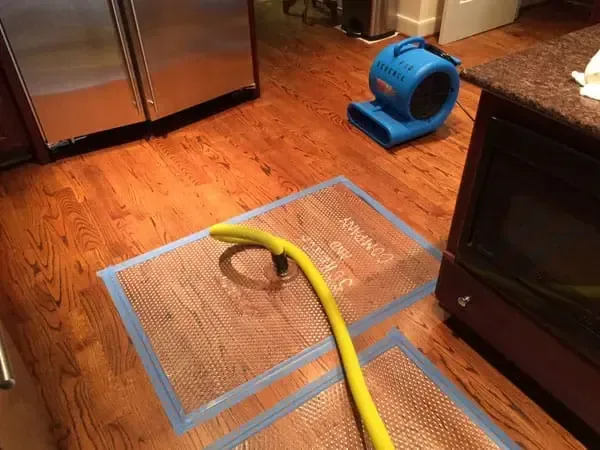
How hardwood floor water damage is handled
Cupped edges and damp seams show a flooring response, but they do not define the moisture below. The technician compares affected boards, surrounding dry areas and the supporting layer to assess realistic drying access.
Rapid local response
The response team prioritizes active water and asks about safe entry, continuing flow and occupied rooms. A clear description helps the assessment focus on hazards before equipment reaches the wet area.
IICRC S500 drying standard
The drying crew sets material goals against unaffected references, sizes dehumidification to the evaporation load and adjusts airflow as readings change. A dry surface alone never closes the moisture record.
Claim-ready documentation
The mitigation team records the source, affected materials, photographs and daily readings in a room-by-room scope. The insurer reviews that evidence against the policy and makes the coverage decision.
Local water experts
The technician distinguishes plumbing discharge from outside water at the actual building. Different floor assemblies, access restrictions and contents call for different drying methods, even when neighboring rooms share the same leak.
First steps for hardwood floor water damage
- Remove surface water safely
The owner avoids powered equipment in wet electrical conditions. The crew recovers accessible liquid with a method suited to the floor and its condition.
- Keep weight off unstable boards
Lifted or buckled sections can create trip and movement hazards. Occupants avoid forcing them flat or placing heavy objects over the damaged area.
- Delay sanding and sealing
Refinishing waits until moisture conditions stabilize and the flooring professional assesses the assembly. Early sanding or sealing can conceal the continuing material response.
- Record the floor construction
Product information and installation records help the assessor identify the system. The owner supplies those details when available without guessing at hidden layers.
What does hardwood floor water damage cost in Monument, CO?
Hardwood floor water mitigation often ranges from $1,000 to $5,500. Wet area, substrate access, material condition and specialized drying equipment shape the scope. Sanding, matching boards and replacement installation are separate finish costs.
Limited accessible wet boards
$1,000 to $2,200
- Surface-water recovery
- Board and reference readings
- Focused humidity control
Room floor and substrate
$2,200 to $5,500
- Layered moisture assessment
- Controlled floor-drying setup
- Repeated material checks
Several rooms or removal needs
$5,500 to $9,500+
- Selective flooring access
- Broader substrate drying
- Repair-planning documentation
Category, wet square footage, material class and the delay before drying change the scope. The Monument water damage cost calculator gives an estimate only; the inspection establishes the work.
Documentation for your insurance claim
The restoration team assembles timestamped photographs, a moisture map, daily psychrometric logs and a room-by-room scope. Sudden accidental water damage, long-term leakage and outside flooding can receive different treatment. The property owner checks the policy with the insurer; documentation supports review without promising payment for mitigation, access or plumbing repair.
The hardwood floor water damage process
Identify the floor system
The technician checks product type, attachment, water category and visible movement. Dry comparison locations and available installation records help establish a useful baseline before selecting a drying method.
Recover liquid and assess access
The crew removes accessible water and determines how moisture beneath the boards can be reached. Selective lifting may be needed where condition or construction prevents a useful in-place drying attempt.
Monitor controlled floor drying
Airflow, dehumidification and suitable floor equipment follow the actual assembly. The operator compares boards and substrate over time and revises the setup when a concealed layer remains wet.
Hand off a documented condition
The final record identifies retained materials and any unresolved movement or bonding issues. A flooring professional uses product requirements and that condition record when planning sanding, matching or replacement installation.
Inside the hardwood floor water damage assessment
Wood flooring can change shape as it absorbs water, and the underside may stay wetter than the walking surface. The assessor checks board condition, attachment and the supporting layer. A salvage decision depends on the actual floor system and contamination, not simply the appearance of cupping.
Reading the floor above and below
At a home near Second Street, the technician first identifies whether the finish is solid wood, engineered material or another product. Different constructions respond differently to saturation. The moisture map includes dry comparison areas and reachable substrate locations, not only the most visibly lifted seam.
- Board edges can show a moisture difference between surfaces without identifying the original source.
- A subfloor may retain water after the exposed finish starts to improve.
- Adhesive failure, delamination or buckling can limit what drying alone can recover.
- Contaminated water changes the retention decision even when boards still look intact.
The scope should explain what the readings and material condition support. It should not promise that every wet floor will flatten or remain suitable for reuse.
Choosing controlled drying or selective removal
Properties near Higby Road need a floor-specific plan. Where material condition and contamination permit retention, the crew may use directed airflow, dehumidification or a suitable floor-drying system. Access below the boards matters because drying only the top surface can leave the assembly unevenly wet.
- Drying mats require an appropriate floor and equipment arrangement rather than automatic use on every finish.
- Loose or severely distorted sections may need removal to expose the substrate.
- The operator monitors progress to avoid continuing an ineffective setup without reassessment.
- Adjacent cabinets and wall bases need checks where floor water reaches their lower edges.
Selective removal can support both inspection and drying, but the owner should understand how it affects later repair matching and installation. Those finish decisions remain distinct from emergency mitigation.
Wet boards and the substrate can dry at different rates. The technician checks both before recommending access, equipment or the next flooring assessment.
(888) 532-8620Review board movement and substrate moistureWaiting for stable conditions before sanding
Along Old Denver Road, a flooring professional evaluates repair timing after the mitigation record establishes the retained-material condition. Sanding a floor while a moisture imbalance remains can create a different profile as the boards continue to change. The drying team therefore tracks the assembly rather than rushing to a cosmetic result.
- Repeated board and substrate measurements show whether conditions are stabilizing.
- Product requirements govern replacement adhesive, underlayment and installation testing.
- A repair plan considers remaining movement, attachment and finish condition.
The closing report separates successful water removal from any decision to refinish, replace or reinstall the floor. A surface can look better while the supporting layer still needs attention, and a dry assembly can still contain boards whose shape or bonding no longer permits reuse.
Safe access comes first
The response team assesses electrical contact, unstable ceilings and contaminated water before extraction begins. Occupants keep clear of affected rooms until the hazards have been checked. A plumber isolates an active supply failure; drying follows source control and inspection of the materials beneath the visible damage.
Property owners can review flood safety precautions and EPA indoor air information alongside the onsite assessment.
Hardwood floor water damage in Monument
The restoration team serves ZIP 80132, including properties around Second Street, Old Denver Road and Higby Road. The assessment follows the actual water source and wet materials at each building. Nearby service includes Palmer Lake, Castle Rock, Castle Pines, Parker and Lone Tree.
The response team checks access, occupied rooms and the location of the shutoff before planning equipment placement.
Related water damage services in Monument

Hardwood Floor Water Damage questions in Monument, CO
Discuss the wet materials
Wet boards and the substrate can dry at different rates. The technician checks both before recommending access, equipment or the next flooring assessment.
(888) 532-8620Review board movement and substrate moistureCan cupped hardwood always be saved?
No. Water category, product construction, attachment and the degree of damage determine the options. Some sound floors may respond to controlled drying, while delaminated or severely distorted material may not. The assessor should explain the evidence rather than promise a cosmetic recovery.
Why measure the subfloor too?
The supporting layer can stay wet after the board surface begins to dry. That moisture can continue affecting the finish and complicate repair timing. The technician checks accessible substrate locations and records any concealed areas that still need access or testing.
Should a cupped floor be sanded immediately?
Sanding waits for moisture stabilization and a flooring assessment. Removing the high edges while the assembly remains unevenly wet can create a different profile as conditions change. Emergency water mitigation and later refinishing therefore need separate decisions.
Do drying mats work on every wood floor?
No. The equipment needs to suit the floor construction, material condition and contamination. The operator evaluates whether a mat system can reach the retained moisture effectively. Readings beneath the boards show drying progress, while the floor's shape and attachment help guide retention decisions.
Is engineered flooring assessed like solid wood?
The assessor identifies the product because layered construction and bonding can respond differently to water. Delamination or failed attachment may limit retention even after drying. Product information and direct condition checks matter more than a generic label of hardwood damage.
Does a dry reading determine the floor looks unchanged?
Drying addresses moisture, while staining, distortion and bonding damage can remain. The final record separates the achieved material condition from cosmetic and installation decisions. A flooring professional evaluates refinishing or replacement after the moisture situation is understood.
Make the flooring decision after the moisture check
The drying crew records the retained assembly so repair planning can separate absorbed water from lasting finish or bonding damage.
(888) 532-8620Arrange a wood-floor moisture assessment