Crawl Space Water Removal in Monument, CO
Crawl space water removal in Monument begins with an entry assessment wherever a building has an underfloor space. The crew checks pooled water, utilities and wet insulation before pumping and measuring the timber above.
(888) 532-8620Discuss underfloor water and access conditions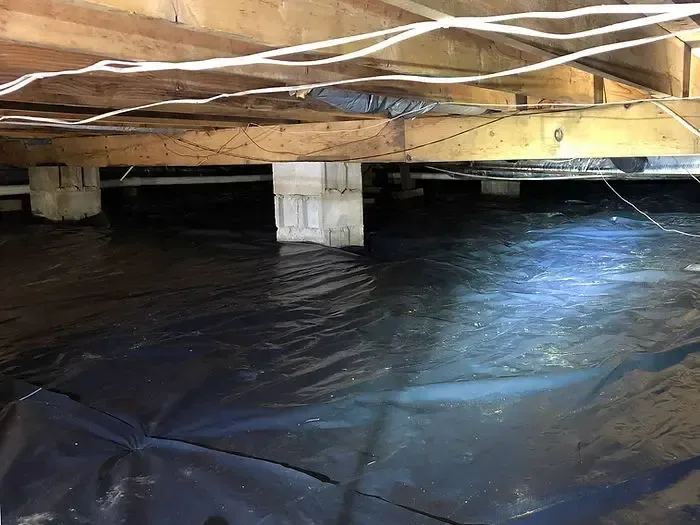
How crawl space water removal is handled
A crawl space can hide water beneath an otherwise usable room. The response team evaluates the space itself, its access restrictions and the source before choosing pumping and drying methods for the retained assembly.
Rapid local response
The response team prioritizes active water and asks about safe entry, continuing flow and occupied rooms. A clear description helps the assessment focus on hazards before equipment reaches the wet area.
IICRC S500 drying standard
The drying crew sets material goals against unaffected references, sizes dehumidification to the evaporation load and adjusts airflow as readings change. A dry surface alone never closes the moisture record.
Claim-ready documentation
The mitigation team records the source, affected materials, photographs and daily readings in a room-by-room scope. The insurer reviews that evidence against the policy and makes the coverage decision.
Local water experts
The technician distinguishes plumbing discharge from outside water at the actual building. Different floor assemblies, access restrictions and contents call for different drying methods, even when neighboring rooms share the same leak.
First steps for crawl space water removal
- Stay at the safe opening
Occupants avoid crawling into pooled water or touching wet utilities. The response team evaluates access and determines which hazards require specialist attention before entry.
- Describe the suspected source
The owner notes plumbing use, recent rainfall and whether water continues to appear. Those observations direct the investigation without proving a cause on their own.
- Keep the living-space route clean
Wet underfloor debris and equipment should not cross occupied rooms without a controlled plan. The crew establishes protection before removal begins.
- Leave insulation for assessment
Hanging wet insulation can hide wiring and other hazards. The technician evaluates removal and records the affected material instead of asking occupants to pull it down.
What does crawl space water removal cost in Monument, CO?
Crawl space water removal and drying often range from $1,500 to $6,000. Restricted entry, contaminated water, debris and insulation removal increase labor. Plumbing correction and permanent drainage improvements belong in separate scopes.
Accessible localized water
$1,500 to $2,800
- Safe pumping access
- Limited material checks
- Focused drying arrangement
Wet framing and insulation
$2,800 to $6,000
- Selective insulation removal
- Broader timber readings
- Controlled dehumidification
Restricted or contaminated space
$6,000 to $10,000+
- Complex access planning
- Debris and disposal work
- Extended monitoring
Category, wet square footage, material class and the delay before drying change the scope. The Monument water damage cost calculator gives an estimate only; the inspection establishes the work.
Documentation for your insurance claim
The restoration team assembles timestamped photographs, a moisture map, daily psychrometric logs and a room-by-room scope. Sudden accidental water damage, long-term leakage and outside flooding can receive different treatment. The property owner checks the policy with the insurer; documentation supports review without promising payment for mitigation, access or plumbing repair.
The crawl space water removal process
Assess entry and the water source
The technician checks the access route, utilities and water conditions from a safe position. The resulting plan defines whether pumping can begin and which specialist work must happen first.
Pump and expose affected timber
The crew removes accessible water and unsuitable insulation or debris. The scope follows actual contamination and moisture, exposing retained floor members for cleaning and drying where required.
Control underfloor drying conditions
Equipment placement accounts for low clearance and restricted air paths. The drying operator checks humidity and material readings within the space rather than relying on conditions in the room above.
Record the underfloor finish
The technician revisits the mapped locations and notes any source-control or repair needs. The owner receives a distinction between completed water mitigation and work intended to prevent future entry.
Inside the crawl space water removal assessment
Water below a raised floor may remain hidden until an odor, damp insulation or a plumbing problem draws attention. The technician inspects from a safe access point and determines whether entry is appropriate. A low clearance space with wet utilities needs a different plan from an open room.
Establishing safe underfloor access
At properties near Old Denver Road, the crew first confirms that a crawl space exists and assesses its actual arrangement. No town-wide foundation assumption replaces that check. Standing water, damaged wiring, unstable access and contaminated debris can prevent entry until the relevant hazards are controlled.
- The assessor checks the hatch and route before carrying equipment below the floor.
- Electrical contact and suspect utilities require the appropriate trade assessment.
- The source investigation distinguishes a supply leak from drain water or outside entry.
- The crew plans a disposal and equipment route that does not carry contamination into living rooms.
Occupants should not enter pooled underfloor water to collect photographs. The initial report can describe observations from the safe opening.
Removing water and wet insulation
A home off Higby Road may have insulation that holds water against joists after the ground surface clears. The restoration team evaluates that material and the underside of the floor. Pumping removes the pool, but retained water in absorbent layers can keep the assembly wet.
- Insulation condition, contamination and drying access determine whether removal is necessary.
- Debris can obstruct pumping and conceal low points that need separate attention.
- Timber readings include comparison locations outside the affected area.
- The technician checks the floor above where water or humidity may have affected finishes.
The scope records which materials were removed and which remain for drying. An exposed ground surface can look improved while framing overhead still needs monitoring.
Pooled underfloor water needs a safe entry plan and timber checks. The crew assesses the space before pumping or removing wet insulation.
(888) 532-8620Review the underfloor access and water sourceManaging the space after pumping
Near Second Street, underfloor drying follows measured conditions rather than an assumption that open vents will solve the problem. The operator considers temperature, humidity, wet material area and airflow restrictions. Source repairs or exterior drainage work remain separate from the immediate removal and drying scope.
- Dehumidification can help manage the moisture released by retained timber.
- Airflow needs a route through the wet assembly instead of circulating only at the access hatch.
- Repeat readings show whether concealed corners and joist ends respond alongside accessible areas.
The final record identifies remaining source-control questions and the tested condition of the floor structure. Before closing underfloor access, the crew records framing moisture and identifies any remaining drainage repairs needed to address recurring entry.
Safe access comes first
The response team assesses electrical contact, unstable ceilings and contaminated water before extraction begins. Occupants keep clear of affected rooms until the hazards have been checked. A plumber isolates an active supply failure; drying follows source control and inspection of the materials beneath the visible damage.
Property owners can review flood safety precautions and EPA indoor air information alongside the onsite assessment.
Crawl space water removal in Monument
The restoration team serves ZIP 80132, including properties around Second Street, Old Denver Road and Higby Road. The assessment follows the actual water source and wet materials at each building. Nearby service includes Palmer Lake, Castle Rock, Castle Pines, Parker and Lone Tree.
The response team checks access, occupied rooms and the location of the shutoff before planning equipment placement.
Related water damage services in Monument



Crawl Space Water Removal questions in Monument, CO
Discuss the wet materials
Pooled underfloor water needs a safe entry plan and timber checks. The crew assesses the space before pumping or removing wet insulation.
(888) 532-8620Review the underfloor access and water sourceDoes every local home have a crawl space?
For a building with a crawl space, the assessor checks the hatch, clearance, floor construction and utilities. Those details determine safe entry, pump placement and access to wet insulation or framing.
Can the owner enter to check water depth?
Pooled underfloor water can conceal electrical exposure, debris and difficult exit conditions. The owner stays at a safe access point and describes visible observations. The response team evaluates whether entry is appropriate and what protection or specialist assessment is required.
Does pumping remove all the moisture?
Pumping removes standing liquid, while insulation, timber and the floor assembly may remain wet. The drying team measures those materials and establishes a separate drying plan. A clear ground surface is not proof that the structure above it has finished drying.
Should vents stay open during drying?
The operator evaluates actual indoor and outdoor conditions and the design of the space. Repeat readings show whether airflow reaches the damp framing and where equipment placement needs adjustment. Airflow, humidity control and repeated material readings show whether the retained assembly is responding.
Can wet insulation remain in place?
Condition, contamination and access determine the decision. Saturated or unsuitable insulation may need removal because it holds water against timber or blocks cleaning. The scope should explain the material finding rather than apply one rule to every underfloor space.
Does cleanup include a permanent drainage fix?
Immediate pumping and drying differ from drainage redesign or source repair. The owner reviews those scopes separately. The mitigation record can identify continued entry, but a suitable repair professional determines the work needed to address that cause.
Measure the floor structure after the pool is gone
The drying team follows retained moisture through joists and concealed underfloor areas after safe water removal.
(888) 532-8620Arrange an underfloor moisture assessment