Water Extraction in Castle Rock
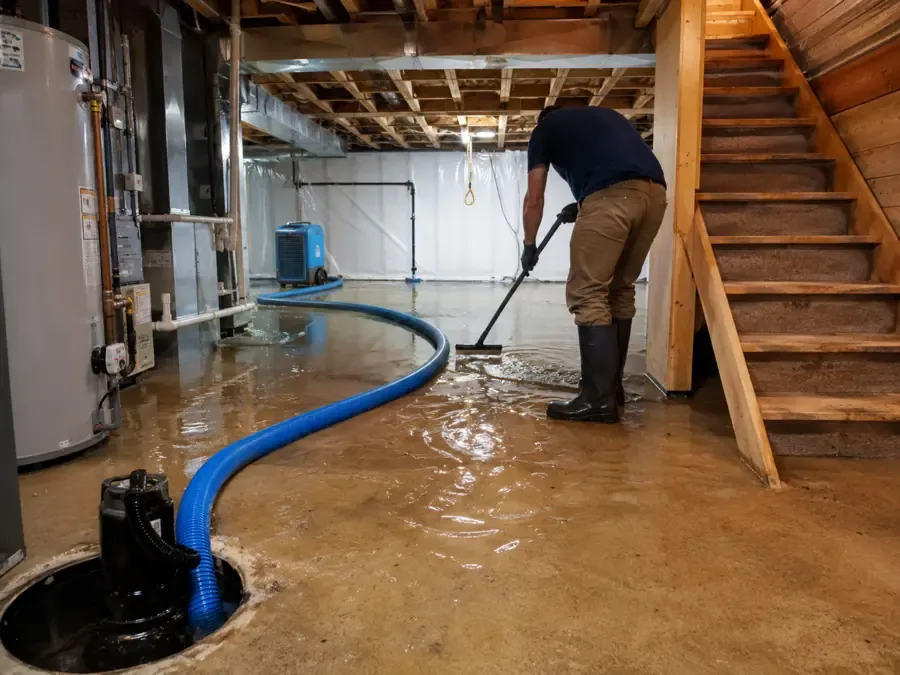
The first puddle rarely shows the full route of a release. Water extraction in Castle Rock starts by separating an indoor supply problem from runoff, then reaching the surfaces where standing water has collected.
(888) 532-8620Arrange removal of the pooled water
How water extraction and removal is handled
Removal equipment needs to match the depth, debris and access at the property. After the pooled water is gone, wet layers still need inspection so the next stage reaches more than the surface.
Rapid local response
The response team prioritizes active water and asks about safe entry, continuing flow and occupied rooms. A clear description helps the assessment focus on hazards before equipment reaches the wet area.
IICRC S500 drying standard
The drying crew sets material goals against unaffected references, sizes dehumidification to the evaporation load and adjusts airflow as readings change. A dry surface alone never closes the moisture record.
Claim-ready documentation
The mitigation team records the source, affected materials, photographs and daily readings in a room-by-room scope. The insurer reviews that evidence against the policy and makes the coverage decision.
Local water experts
The technician distinguishes plumbing discharge from outside water at the actual building. Different floor assemblies, access restrictions and contents call for different drying methods, even when neighboring rooms share the same leak.
First steps for water extraction and removal
- Stay clear of energized water
Avoid a wet area containing outlets, electrical equipment or an uncertain supply connection. Safe access comes before moving possessions or attempting to extract standing water.
- Limit the continuing release
A reachable plumbing shutoff may stop additional water if access is safe. For outdoor entry, keep clear of moving water and record the entry point from shelter.
- Describe the water depth
Mention whether water covers the floor, reaches furniture or remains in a recess. Depth and debris help distinguish pumping needs from shallow surface extraction.
- Keep wet boundaries visible
Photograph affected edges before shifting safe, dry belongings. Descriptions of thresholds, closets and wall bases help extend the extraction assessment beyond the obvious puddle.
What does water extraction and removal cost in Castle Rock, CO?
Water extraction in Castle Rock ranges with the amount of standing water, access and contamination. Several connected rooms require more handling than an isolated pool, and concealed absorbent layers add work after the initial removal.
Limited standing water
$800 to $1,800
- Shallow accessible pooling
- Localized floor treatment
- Initial moisture check
Several connected rooms
$1,800 to $4,500
- Multiple wet thresholds
- Broader extraction area
- Adjoining surface checks
Deep or contaminated loss
$4,500 to $8,000+
- Greater water volume
- Debris handling needs
- Complex material access
Category, wet square footage, material class and the delay before drying change the scope. The water damage cost calculator gives an estimate only; the inspection establishes the work.
Documentation for your insurance claim
The restoration team assembles timestamped photographs, a moisture map, daily psychrometric logs and a room-by-room scope. Sudden accidental water damage, long-term leakage and outside flooding can receive different treatment. The property owner checks the policy with the insurer; documentation supports review without promising payment for mitigation, access or plumbing repair.
The water extraction and removal process
Establish the removal boundary
A survey links the reported source with the visible pool and surrounding damp materials. Water condition, safe entry and practical equipment access help define the initial work area and any needed separation from clean rooms.
Recover accessible standing water
The removal method follows depth and surface conditions. Equipment reaches open areas first, then accessible margins and recesses, with attention to debris and whether additional water continues arriving during the work.
Inspect newly exposed layers
Once pooling recedes, checks can reach edges that were hidden before extraction. Flooring cushions, cabinet openings and adjoining wall bases may change the scope if trapped water remains beneath the finished surface.
Set the next moisture targets
Recorded readings identify the materials requiring continued drying. The plan distinguishes extraction completion from a dry building, explaining equipment needs and any access changes before repair work covers the affected layers.
Inside the water extraction and removal assessment
Water sitting across a room creates an urgent removal problem, but the route into that room determines how the work proceeds. In Castle Rock, East Plum Creek and the drainage toward Cherry Creek form different outdoor water paths. Indoors, an open appliance connection or damaged supply fitting can create a similar looking pool with a different cleanup scope.
Separate the water source from the wet footprint
A useful inspection begins where the water entered and follows it across changes in floor level. A doorway can conceal spread beneath a threshold. Furniture legs, wall edges and flooring joints help reveal how far the release traveled. The visible center of the puddle is only part of the area that needs attention.
- A clean supply release needs source control before repeated extraction can make meaningful progress.
- Runoff carrying soil requires attention to debris and the condition of contacted porous surfaces.
- Water beneath carpet may remain in the cushion even when the upper fibers feel only slightly damp.
- A low cabinet opening can admit water into a recess that ordinary surface cleanup misses.
Near The Meadows, a report of indoor water should describe the room and entry point. Neighborhood location helps arrange access, while the actual release determines handling, removal equipment and the extent of inspection.
Remove the pool without overlooking its margins
Pumping suits some deeper collections, while extraction tools can recover water from accessible flooring. Equipment selection also depends on debris and where discharge can be managed appropriately. As levels fall, attention shifts to floor transitions, wall perimeters and materials that absorbed water while the room remained flooded.
- Thresholds deserve checks on both sides because adjoining rooms may have different floor elevations.
- Stored items can hide shallow water against the wall and obstruct removal tools.
- Lifted floor edges may expose an underlayer requiring a separate extraction or removal decision.
- Inspection should include nearby closets when the wet boundary reaches their entrance.
The extraction record should describe what was removed and which surfaces remain wet. This makes the handoff to structural drying clearer and keeps equipment placement tied to the affected materials.
Water across a floor needs a description of its source, depth and route into adjacent spaces. Share those observations so the removal discussion addresses the actual room conditions.
(888) 532-8620Discuss floor water removalUse the remaining moisture to define completion
Removing standing water changes the room quickly, but wood, wallboard and other absorbent layers release retained moisture more slowly. Readings taken after extraction establish the drying area. Materials that cannot be cleaned or reached adequately may need removal before airflow and humidity control can work effectively.
- Record damp boundaries after the water level drops and hidden edges become visible.
- Compare affected materials with suitable unaffected areas of similar construction where access allows.
- Explain any opening or material removal needed to reach trapped water below the finished surface.
Founders Parkway provides another useful location reference for property access. The practical endpoint remains inside the building: pooled water removed, affected layers identified and a drying plan connected to documented conditions.
Safe access comes first
The response team assesses electrical contact, unstable ceilings and contaminated water before extraction begins. Occupants keep clear of affected rooms until the hazards have been checked. A plumber isolates an active supply failure; drying follows source control and inspection of the materials beneath the visible damage.
Property owners can review flood safety precautions and EPA indoor air information alongside the onsite assessment.
Water extraction and removal in Castle Rock
Properties in The Meadows, along Founders Parkway and around Downtown Castle Rock can describe access using those local references. The cleanup request should also identify the affected level, water source and any barriers to reaching the wet room.
The same service nearby: water extraction and removal in Monument, Castle Pines, Parker.
Related water damage services in Castle Rock


Water Extraction and Removal questions in Castle Rock, CO
Discuss the wet materials
Water across a floor needs a description of its source, depth and route into adjacent spaces. Share those observations so the removal discussion addresses the actual room conditions.
(888) 532-8620Discuss floor water removalCan a household wet vacuum finish the removal?
A small accessible spill may allow limited surface recovery, but pooled water can extend beneath flooring or near electrical hazards. Professional assessment considers those hidden areas and the water condition before deciding whether extraction alone addresses the loss.
Why does water return after a puddle is removed?
A continuing release, water draining from another room or moisture retained beneath flooring can refill a low area. The inspection needs to trace that source rather than repeating removal without understanding where the additional water originates.
Does wet carpet always need to be lifted?
The decision depends on water condition, cushion saturation and the ability to reach underlying layers. Surface extraction may leave water below the carpet. Inspection determines whether lifting, selective removal or another access method is needed for cleanup and drying.
Should furniture stay on a damp floor?
Furniture can obstruct extraction and may transfer color or absorb moisture through contact. Safe repositioning or protection depends on the item and the work area. Contaminated belongings require handling that keeps residue away from unaffected rooms and clean possessions.
What changes when water came from outdoors?
Outdoor water can carry soil and other contaminants into porous surfaces. Removal therefore includes evaluating cleaning and disposal needs, not just lowering the water level. The entry route and materials contacted help establish appropriate boundaries for the cleanup.
When can the room be put back together?
Reassembly should follow the drying assessment and the requirements of the replacement materials. A floor that looks clear of water may still have damp supporting layers. Final readings and source control help determine when covering those layers is appropriate.
Move from pooling to a defined drying plan
Once standing water is recovered, material readings show which hidden edges and supporting layers still need attention.
(888) 532-8620Plan the extraction assessment