Castle Rock Storm and Flood Cleanup
Mud at a doorway changes the cleanup problem from an ordinary plumbing spill. Storm restoration in Castle Rock examines how outdoor water entered, what it carried and which interior layers remained wet after the flow receded.
(888) 532-8620Describe the storm water entry point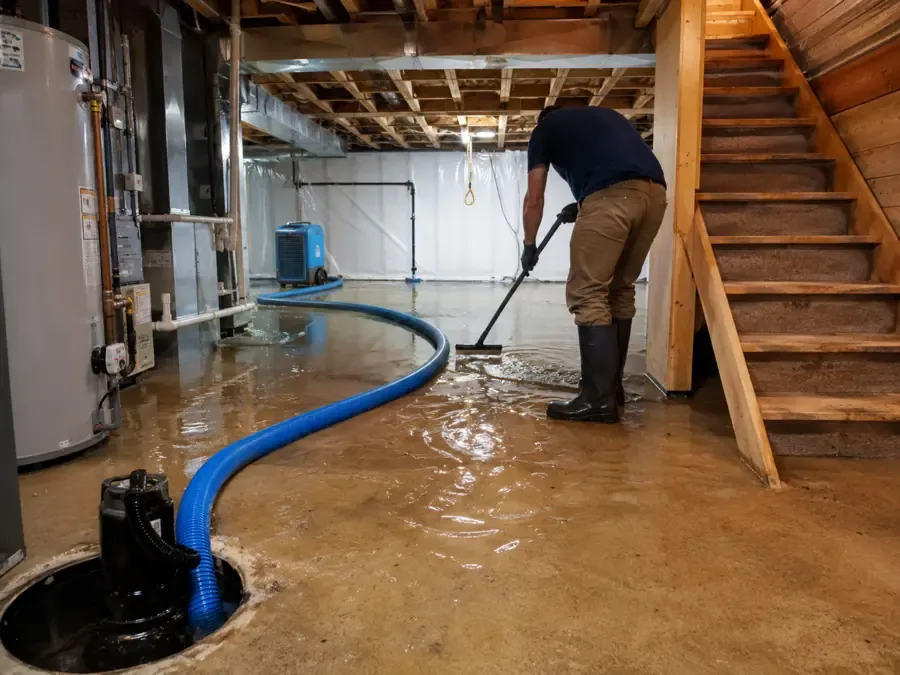
How storm and flood cleanup is handled
Floodwater can deposit soil behind trim and beneath flooring. A practical cleanup sequence addresses unsafe access, continuing entry and contaminated materials before equipment begins drying the structure that can remain in place.
Rapid local response
The response team prioritizes active water and asks about safe entry, continuing flow and occupied rooms. A clear description helps the assessment focus on hazards before equipment reaches the wet area.
IICRC S500 drying standard
The drying crew sets material goals against unaffected references, sizes dehumidification to the evaporation load and adjusts airflow as readings change. A dry surface alone never closes the moisture record.
Claim-ready documentation
The mitigation team records the source, affected materials, photographs and daily readings in a room-by-room scope. The insurer reviews that evidence against the policy and makes the coverage decision.
Local water experts
The technician distinguishes plumbing discharge from outside water at the actual building. Different floor assemblies, access restrictions and contents call for different drying methods, even when neighboring rooms share the same leak.
First steps for storm and flood cleanup
- Wait for a safe entrance
Moving water, unstable access and electrical exposure can make entry unsafe. Keep occupants outside the area until conditions allow an appropriate assessment of the building.
- Record where runoff entered
From shelter, note the doorway, wall opening or other visible route. The entry description connects exterior repair needs with the indoor cleanup and inspection area.
- Keep debris inside the boundary
Avoid carrying muddy items through clean rooms. A protected handling route preserves separation between affected finishes and spaces that remained dry throughout the storm.
- Describe the remaining water level
Report standing depth, sediment and damaged ceilings or walls. These observations help determine whether pumping, debris handling or further access assessment must come before removal.
What does storm and flood cleanup cost in Castle Rock, CO?
Castle Rock storm cleanup costs vary with runoff contamination, affected rooms and access to trapped debris. A limited entry can differ substantially from widespread interior flooding, where porous material removal and several drying areas expand the work.
Limited runoff entry
$2,500 to $4,500
- Localized sediment cleanup
- Accessible wet edges
- Focused structural drying
Several contaminated rooms
$4,500 to $10,000
- Connected floor spread
- Porous finish removal
- Broader cleaning needs
Extensive interior flooding
$10,000 to $18,000+
- Large affected footprint
- Complex access conditions
- Multiple retained assemblies
Category, wet square footage, material class and the delay before drying change the scope. The water damage cost calculator gives an estimate only; the inspection establishes the work.
Documentation for your insurance claim
The restoration team assembles timestamped photographs, a moisture map, daily psychrometric logs and a room-by-room scope. Sudden accidental water damage, long-term leakage and outside flooding can receive different treatment. The property owner checks the policy with the insurer; documentation supports review without promising payment for mitigation, access or plumbing repair.
The storm and flood cleanup process
Assess the storm footprint
The entry route, water condition and affected materials establish the initial work boundary. Safe access and continuing outdoor flow are checked before the removal method and contents handling route are selected.
Recover liquid and deposited material
Standing water and debris are removed in a sequence suited to the room conditions. As surfaces become visible, the scope can address affected porous layers and recesses where sediment remains concealed.
Prepare retained surfaces for drying
Cleaning follows access and material removal. The exposed structure can then be assessed for moisture, with equipment placed around the surfaces that remain wet after contamination work has been addressed.
Check moisture and source protection
Repeated measurements show progress within the building. The final discussion also identifies unresolved entry repairs so finish replacement can be coordinated with protection against further rain reaching the same affected space.
Inside the storm and flood cleanup assessment
Storm cleanup starts with the threshold between outdoors and the building. Water passing through a low opening can spread across a room and settle beneath finishes before it drains away. Castle Rock summers are wetter than winters, so a new stain after rain deserves an assessment of the entry route as well as the wet interior.
Understand the route without overlooking the room
East Plum Creek flows generally north through town and belongs to the South Platte River watershed. McMurdo Gulch and Mitchell Gulch drain toward Cherry Creek. Those distinct drainage paths provide context for outdoor water movement; inside a damaged building, inspection follows the actual opening, water marks and deposited material.
- A doorway may admit shallow runoff that spreads underneath flooring without leaving a deep pool.
- A lower opening can collect debris that obstructs access to the wet area behind it.
- Water stains at different heights help document where the indoor flow paused or accumulated.
- Photographs of the entry area should be taken only when the surrounding conditions are safe.
Clearing a puddle leaves another question: what remains underneath? The floor assembly, wall bases and contents must be evaluated for contact with outdoor water before routine drying methods are selected.
Remove debris before treating the retained surfaces
Soil can lodge at flooring transitions, behind base trim and within low cabinet recesses. Cleanup may require selective removal to expose those spaces. Porous finishes that cannot be adequately cleaned need a material decision rather than an assumption that a dry appearance will make them suitable to retain.
- Inspect floor edges where water crossed into adjoining rooms or settled beneath stored belongings.
- Separate affected contents from clean items before moving material through an unaffected passage.
- Document removal needs by material so the restoration scope stays connected to actual conditions.
- Clean accessible retained surfaces before arranging air movement across the prepared work area.
Where the loss reaches a lower room, basement water removal adds depth and access considerations. The source and structural condition still determine how that removal can proceed.
A storm loss description should include the opening that admitted water and the residue left behind. Those observations help define removal, cleaning and the materials needing closer inspection.
(888) 532-8620Discuss runoff inside the buildingPrepare for drying and another rainfall
Restoration should account for the status of the entry point. Repeated rain can wet a newly dried room if the exterior issue remains open. A repair professional may need to assess that opening while the interior team tracks moisture in the retained structure and records any changes during the work.
- Keep temporary source protection and permanent exterior repair responsibilities clear in the project record.
- Check newly exposed materials for moisture after debris and damaged finishes have been removed.
- Check the remaining wet boundary before replacing trim or covering the supporting floor.
The closing assessment should connect cleaned surfaces, removed materials and moisture readings. That record supports an orderly transition from storm cleanup to repair of the affected interior.
Safe access comes first
The response team assesses electrical contact, unstable ceilings and contaminated water before extraction begins. Occupants keep clear of affected rooms until the hazards have been checked. A plumber isolates an active supply failure; drying follows source control and inspection of the materials beneath the visible damage.
Property owners can review flood safety precautions and EPA indoor air information alongside the onsite assessment.
Storm and flood cleanup in Castle Rock
Castle Rock storm loss reports should identify the property and visible entry route. East Plum Creek, McMurdo Gulch and Mitchell Gulch help describe the local drainage setting, while the building's openings and wet rooms determine the cleanup assessment.
The same service nearby: storm and flood cleanup in Monument, Castle Pines, Parker.
Related water damage services in Castle Rock



Storm and Flood Cleanup questions in Castle Rock, CO
Discuss the wet materials
A storm loss description should include the opening that admitted water and the residue left behind. Those observations help define removal, cleaning and the materials needing closer inspection.
(888) 532-8620Discuss runoff inside the buildingCan stormwater be handled as clean indoor water?
Outdoor water can carry soil and other contaminants into the building. Cleanup decisions should reflect that contact and the materials affected. A shallow pool can still require careful removal and cleaning beneath finishes where debris and moisture remain out of sight.
Why inspect a room after the floodwater drains away?
Water can leave sediment and absorbed moisture even after the visible level drops. Wall bases, flooring layers and stored items may remain affected. An inspection identifies those conditions so drying does not begin over concealed residue or damaged absorbent materials.
Does creek proximity determine the interior cleanup plan?
The work follows the water that entered the building, its condition and the surfaces contacted. Entry photographs and interior damage observations are more useful for defining that scope than a location reference alone. Exterior drainage assessment may be a separate task.
Can wet belongings be placed in a clean hallway?
Items affected by runoff may carry residue onto clean flooring. Their removal should follow a handling plan that separates contaminated materials from unaffected spaces. Photographs and a contents inventory can document losses before items are moved or disposed of.
Who handles the opening that admitted rainwater?
The appropriate exterior or building repair professional evaluates the source opening. Restoration addresses the water and damaged materials inside. The project should identify both responsibilities so a drying room remains protected while permanent entry repairs are arranged and completed.
What should be checked before rebuilding a wet wall?
The retained structure should be cleaned where needed and assessed for remaining moisture. Source protection and material removal records also matter. Closing the assembly should follow check of those conditions, with the finish contractor aware of any unresolved work affecting the area.
Turn the storm footprint into a cleanup scope
The affected surfaces and remaining moisture establish the work needed before damaged rooms receive new finishes.
(888) 532-8620Check the flooded interior