Storm and Flood Cleanup in Parker
Muddy water at a doorway brings a different cleanup problem from a leaking supply pipe. The assessment identifies the entry route, debris and affected finishes before planning controlled removal and drying inside the building.
(888) 532-8620Discuss runoff inside the property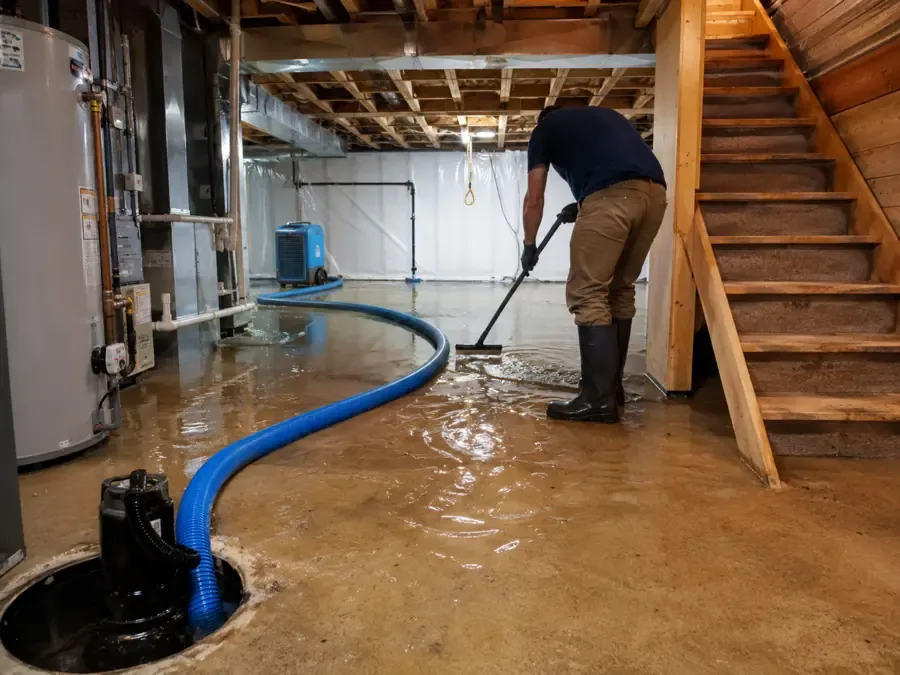
How storm and flood cleanup is handled
Storm cleanup in Parker addresses water that has entered the building from outdoors. Its path, sediment and contact with porous surfaces determine how extraction, cleaning and the remaining drying work should proceed.
Rapid local response
The response team prioritizes active water and asks about safe entry, continuing flow and occupied rooms. A clear description helps the assessment focus on hazards before equipment reaches the wet area.
IICRC S500 drying standard
The drying crew sets material goals against unaffected references, sizes dehumidification to the evaporation load and adjusts airflow as readings change. A dry surface alone never closes the moisture record.
Claim-ready documentation
The mitigation team records the source, affected materials, photographs and daily readings in a room-by-room scope. The insurer reviews that evidence against the policy and makes the coverage decision.
Local water experts
The technician distinguishes plumbing discharge from outside water at the actual building. Different floor assemblies, access restrictions and contents call for different drying methods, even when neighboring rooms share the same leak.
First steps for storm and flood cleanup
- Avoid entering uncertain floodwater
Occupants should stay clear of submerged electrical equipment and water with debris or sewage. A dry observation point is safer than walking through the room to inspect belongings.
- Note the apparent entry opening
From a safe location, document thresholds, window areas or other visible paths. The assessment can then connect that opening with the spread through the affected rooms.
- Keep clean items separate
Uncontacted belongings should remain outside the floodwater boundary. Contaminated items need a handling route that avoids carrying sediment into rooms still available for normal use.
- Report exterior drainage conditions
Standing street water and nuisance flows can be described to the town department. Interior cleanup planning should record whether water is still entering the building during that report.
What does storm and flood cleanup cost in Parker, CO?
Storm cleanup costs in Parker depend on the extent of outdoor water contact, sediment removal and damage to porous finishes. Access protection, cleaning and drying should be itemized, with entry repairs and reconstruction shown as separate needs.
Limited runoff entry
$2,500 to $4,500
- Localized debris removal
- Threshold surface cleaning
- Limited material drying
Several contaminated rooms
$4,500 to $10,000
- Connected room cleaning
- Porous finish decisions
- Protected disposal route
Extensive interior flooding
$10,000 to $18,000+
- Broad contamination boundary
- Complex water removal
- Expanded repair assessment
Category, wet square footage, material class and the delay before drying change the scope. The water damage cost calculator gives an estimate only; the inspection establishes the work.
Documentation for your insurance claim
The restoration team assembles timestamped photographs, a moisture map, daily psychrometric logs and a room-by-room scope. Sudden accidental water damage, long-term leakage and outside flooding can receive different treatment. The property owner checks the policy with the insurer; documentation supports review without promising payment for mitigation, access or plumbing repair.
The storm and flood cleanup process
Define the floodwater boundary
The inspection traces entry marks, debris and connected wet areas. It also identifies rooms that can remain separated from the work so access and contents handling have clear limits.
Remove water and deposited material
Extraction is paired with controlled handling of sediment and affected contents. Porous finishes are evaluated according to their contact with the water rather than only the appearance of their top surfaces.
Prepare the exposed structure
Cleaning addresses the surfaces left after removal. Wall bases, corners and floor openings are examined before the drying arrangement is selected for the materials that remain in place.
Assess the repair handoff
Moisture findings and removal records identify the reconstruction scope. The entry condition also needs attention so repaired finishes are not exposed to the same continuing water path during recovery.
Inside the storm and flood cleanup assessment
Sediment along a threshold can reveal where runoff entered, while a clean-looking puddle farther inside may be part of the same loss. Cleanup follows the full route through the room. Outdoor water contact, the materials in that route and the possibility of continued entry all matter before equipment is selected.
Rain and melting snow both create runoff
Parker describes stormwater runoff as water from rain and melting snow or ice. The town also explains that impervious surfaces reduce rainfall absorption and increase runoff. An inspection around the actual entry point can help distinguish water crossing an opening from moisture that arrived through a different building defect.
- Record sediment, wet thresholds and the highest visible water marks before cleanup changes the room.
- Keep unaffected belongings out of the path used to remove wet contents and debris.
- Check adjacent floor finishes that may have absorbed water beyond the obvious muddy boundary.
Cherry Creek flows through town, and Tallman Gulch flooded in 1912. Those local waterways belong to the town's setting. The current damage assessment follows the water at the property, including its entry route and contact with interior materials.
Keep outdoor reporting and interior work coordinated
Standing water or nuisance stormwater flows can be reported to the Department of Engineering/Public Works. Inside a building near Mainstreet, the cleanup still needs a separate plan for access, contamination and wet finishes. Continuing runoff entry should be considered before cleaned rooms are prepared for drying.
- Water carrying soil or debris needs a cleaning plan in addition to extraction from the floor.
- Porous coverings contacted by outdoor water require evaluation for removal, including material beneath the surface.
- Dry rooms need protected access routes while affected belongings and discarded finishes leave the building.
The visible entry point, sediment and rooms reached by runoff help explain the loss. Describe whether outdoor water is still moving toward or into the building.
(888) 532-8620Discuss the runoff entry pathInspect what the receding water leaves behind
When the floor becomes visible again, silt can remain at wall bases, under cabinets and inside openings. Cleaning those locations precedes a useful moisture assessment. Water extraction and structural drying each address a different part of the recovery, with material removal decisions connecting the stages.
The repair handoff should describe the entry condition, affected surfaces and remaining reconstruction needs. A room that no longer contains standing water can still have wet framing or damaged finishes. Those findings should stay visible in the written scope until drying and repair decisions have been completed.
Safe access comes first
The response team assesses electrical contact, unstable ceilings and contaminated water before extraction begins. Occupants keep clear of affected rooms until the hazards have been checked. A plumber isolates an active supply failure; drying follows source control and inspection of the materials beneath the visible damage.
Property owners can review flood safety precautions and EPA indoor air information alongside the onsite assessment.
Storm and flood cleanup in Parker
Parker stormwater concerns can involve rain or snowmelt. Properties in Antelope Heights and around Mainstreet need an individual entry assessment, while Cherry Creek and Tallman Gulch provide town context. Cleanup planning follows the observed interior damage and access conditions.
The same service nearby: storm and flood cleanup in Monument, Lone Tree, Castle Pines.
Related water damage services in Parker



Storm and Flood Cleanup questions in Parker, CO
Discuss the wet materials
The visible entry point, sediment and rooms reached by runoff help explain the loss. Describe whether outdoor water is still moving toward or into the building.
(888) 532-8620Discuss the runoff entry pathCan muddy water be treated like a clean spill?
Outdoor water may carry soil and other contaminants into the building. Its contact with finishes changes removal and cleaning decisions. An assessment should identify the entire affected route, including porous layers beneath a surface that looks cleaner than the entry area.
Who receives a report about nuisance runoff?
The Department of Engineering/Public Works receives reports of standing water and nuisance stormwater flows. The property owner can describe the exterior condition while separately arranging assessment of indoor damage. The building cleanup needs its own access and material handling plan.
Why inspect beyond the visible sediment?
Water can travel farther than the heavier debris it carried through a doorway. Floor seams and absorbent materials may be wet beyond the muddy edge. Moisture checks help establish the drying boundary after cleaning reveals the condition of the underlying surfaces.
Can carpet be dried after runoff entry?
The source and contamination exposure must be assessed before deciding whether a porous finish can remain. Padding and the floor beneath it may also be affected. The work description should explain removal decisions and how adjoining materials will be cleaned and evaluated.
Does the historic flood determine the cleanup method?
The town's 1912 Tallman Gulch flood is part of its history. Today's cleanup method depends on the current entry point, water condition and building materials involved. A property inspection supplies the details needed to plan extraction, cleaning and drying.
What should happen before damaged finishes are replaced?
The source of continued entry should be addressed and the exposed materials assessed for moisture. Cleaning and drying records help define readiness for repair. Replacement work should also account for any remaining damage uncovered when contaminated finishes were removed from the room.
Plan recovery after outdoor water intrusion
A defined contamination boundary keeps extraction, cleaning and the drying of remaining materials connected throughout the interior recovery.
(888) 532-8620Arrange storm damage evaluation