Water Extraction and Removal in Parker
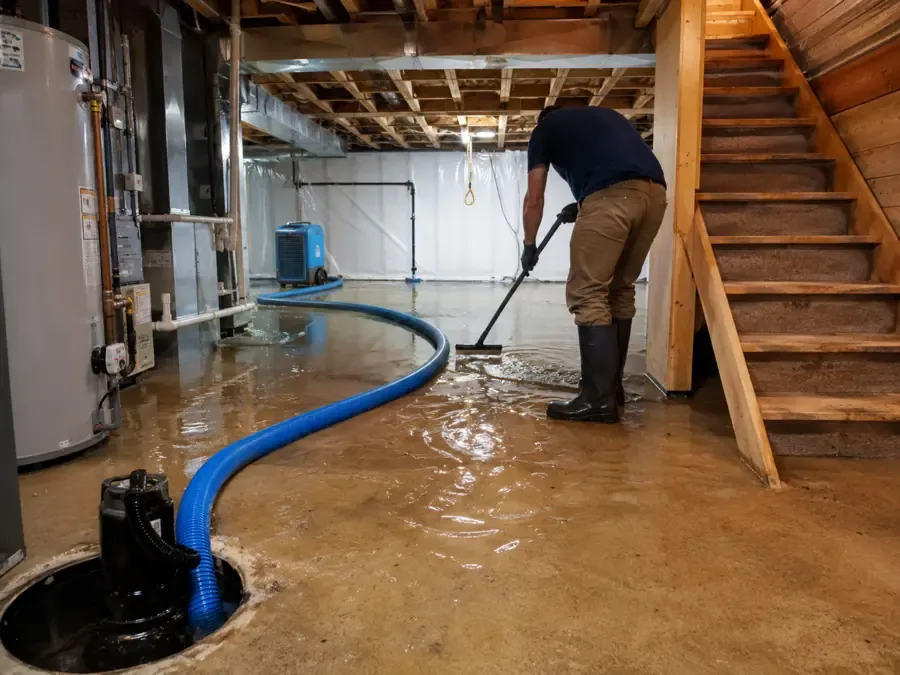
A pool spreading through a doorway needs more than a mop. Extraction removes accessible water while the assessment tracks soaked flooring, wall bases and the places where the spill has already disappeared from view.
(888) 532-8620Plan removal of the pooled water
How water extraction and removal is handled
Parker water extraction addresses the water occupying a room and the moisture it leaves behind. Equipment selection depends on depth, access, contamination and the floor materials beneath the visible pool.
Rapid local response
The response team prioritizes active water and asks about safe entry, continuing flow and occupied rooms. A clear description helps the assessment focus on hazards before equipment reaches the wet area.
IICRC S500 drying standard
The drying crew sets material goals against unaffected references, sizes dehumidification to the evaporation load and adjusts airflow as readings change. A dry surface alone never closes the moisture record.
Claim-ready documentation
The mitigation team records the source, affected materials, photographs and daily readings in a room-by-room scope. The insurer reviews that evidence against the policy and makes the coverage decision.
Local water experts
The technician distinguishes plumbing discharge from outside water at the actual building. Different floor assemblies, access restrictions and contents call for different drying methods, even when neighboring rooms share the same leak.
First steps for water extraction and removal
- Stay on a dry approach
Occupants should keep away from submerged cords, outlets and uncertain flooring. A room containing water should be assessed before anyone carries belongings through the wet area.
- Limit incoming water safely
If a plumbing shutoff is accessible from a dry position, stopping the release can limit additional spread. Uncertain electrical or source conditions need professional attention.
- Capture the original boundary
Photographs can record the pool and the adjoining surfaces from a safe location. Notes about discovery help explain where water appeared before extraction changes the scene.
- Identify concealed floor transitions
The assessment should include doorways, carpet edges and cabinet bases. Those locations can hold water even when the main walking surface has already been cleared.
What does water extraction and removal cost in Parker, CO?
Water extraction in Parker varies with the pool depth, floor layout and condition of the water. An estimate should also identify the material checks and drying work needed after the accessible water is removed.
Limited standing water
$800 to $1,800
- Accessible floor area
- Limited wet boundaries
- Basic moisture assessment
Several connected rooms
$1,800 to $4,500
- Multiple floor transitions
- Broader extraction access
- Adjoining material checks
Deep or contaminated loss
$4,500 to $8,000+
- Pumping access needs
- Controlled material handling
- Expanded drying assessment
Category, wet square footage, material class and the delay before drying change the scope. The water damage cost calculator gives an estimate only; the inspection establishes the work.
Documentation for your insurance claim
The restoration team assembles timestamped photographs, a moisture map, daily psychrometric logs and a room-by-room scope. Sudden accidental water damage, long-term leakage and outside flooding can receive different treatment. The property owner checks the policy with the insurer; documentation supports review without promising payment for mitigation, access or plumbing repair.
The water extraction and removal process
Establish the removal route
The crew assesses safe entry, the source status and the route for removing water. Nearby dry rooms and contents are identified so extraction activity does not unnecessarily spread the affected area.
Extract by surface condition
Removal equipment is selected for the water depth and flooring. The work follows connected rooms and low spots, with attention to surfaces where a broad extraction pass leaves moisture behind.
Measure the remaining wet areas
After visible water is removed, flooring and wall bases are checked for retained moisture. These readings establish which materials need a drying setup and where additional access may be justified.
Document the drying handoff
The resulting scope records extraction work, remaining moisture and material concerns. Equipment placement and follow-up checks should address those specific findings before repairs conceal the affected floor or wall edges.
Inside the water extraction and removal assessment
Water can move from a hard floor into the edge of a carpeted room before the center of either room looks badly affected. An extraction assessment follows that transition. The first task is to establish a safe approach and identify whether the source is still adding water, then mark the spaces connected to the visible pool.
Separate indoor removal from street drainage
Parker directs standing water and nuisance stormwater reports to the Department of Engineering/Public Works. That reporting route concerns outdoor drainage conditions; water already inside a home still needs a room assessment. Cherry Creek flows through town, and runoff entry should be described by the actual opening and debris visible at the property.
- Water depth and floor access determine whether pumping or surface extraction is the appropriate starting method.
- A wet carpet edge calls for inspection of the padding and the adjoining baseboard.
- Cabinet feet and floor transitions can conceal water after the open walking area has been cleared.
- Debris or wastewater changes how the affected area is contained and how materials are handled.
For a property in Antelope Heights, the location helps arrange access; the room conditions determine the equipment. No neighborhood label replaces an examination of the floor, water source and connected finishes.
Check the edges after the pool is gone
Extraction is a transition to material assessment. A clear floor can still have wet seams, saturated underlay or moisture behind trim. Readings around the original boundary help identify whether water moved into another room. The drying area should follow those findings instead of stopping at the last visible puddle.
- Remove accessible water from the floor before placing equipment intended to dry the remaining building materials.
- Evaluate swollen trim and wet wall bases for selective access rather than covering them immediately.
- Keep unaffected contents outside the working area so they remain separate from wet belongings.
A building near Mainstreet may have different room access than another property. Doorways, stairs and occupied areas belong in the removal plan because equipment and hoses need a safe working route.
Describe the pooled area, the apparent source and any wet doorway or cabinet edge. These details help establish the next extraction and material assessment decisions.
(888) 532-8620Discuss floor water removalGive the remaining moisture a defined plan
The handoff should describe what was removed, which surfaces remain affected and how readings will be checked. Structural drying addresses those remaining materials. If a lower level holds the water, the basement assessment also considers entry, stored contents and concealed finishes.
Repair planning begins with the condition left after extraction. A written record of wet areas, access openings and material decisions helps keep the cleanup scope understandable as concealed moisture is uncovered.
Safe access comes first
The response team assesses electrical contact, unstable ceilings and contaminated water before extraction begins. Occupants keep clear of affected rooms until the hazards have been checked. A plumber isolates an active supply failure; drying follows source control and inspection of the materials beneath the visible damage.
Property owners can review flood safety precautions and EPA indoor air information alongside the onsite assessment.
Water extraction and removal in Parker
Parker includes Antelope Heights and ZIP codes 80134 and 80138. The intake details should identify the property itself, the affected floor and access restrictions. A nearby street drainage complaint can be reported separately while indoor extraction is assessed.
The same service nearby: water extraction and removal in Monument, Lone Tree, Castle Pines.
Related water damage services in Parker


Water Extraction and Removal questions in Parker, CO
Discuss the wet materials
Describe the pooled area, the apparent source and any wet doorway or cabinet edge. These details help establish the next extraction and material assessment decisions.
(888) 532-8620Discuss floor water removalCan extraction stop at the visible puddle?
The puddle shows only the accessible water. Flooring seams, padding and wall bases may have absorbed part of the release. The assessment follows those materials beyond the wet surface so the drying scope includes the hidden portions of the loss.
Does every room need a pump?
The depth and access determine the removal method. Shallow water across a floor may need extraction equipment suited to that surface, while deeper accumulation can require pumping. The work plan should explain the method and the remaining material checks.
What if the water keeps returning?
A continuing source must be investigated while the area is kept safe. Repeated pooling can come from an active plumbing release or continued entry. Extraction alone cannot complete the recovery while additional water is still reaching the same room.
Should household fans run during removal?
The condition of the water should be assessed first, especially when sewage or outdoor debris may be involved. Equipment intended for material drying belongs in a controlled plan after accessible water removal and any necessary cleaning have been addressed.
Can contents stay beside the wet area?
Dry belongings may remain outside the working boundary if access stays clear and they are protected from the loss. Wet contents should be identified separately. Their condition and contact with the water affect whether they need cleaning, drying or disposal.
What should the completion record show?
It should describe the rooms extracted, materials still affected and moisture readings supporting the next stage. Extraction completion and building drying are separate milestones. A clear record helps the owner understand why further drying or selective removal may still be needed.
Move from standing water to assessment
Accessible water removal is the beginning of a plan that also checks what the surrounding materials retained.
(888) 532-8620Arrange an extraction scope