Water Extraction in Lone Tree
A puddle crossing a doorway can keep feeding the floor beneath it. Water extraction in Lone Tree removes accessible water while an assessment identifies the adjoining materials that still need drying.
(888) 532-8620Arrange removal from the wet rooms
How water extraction and removal is handled
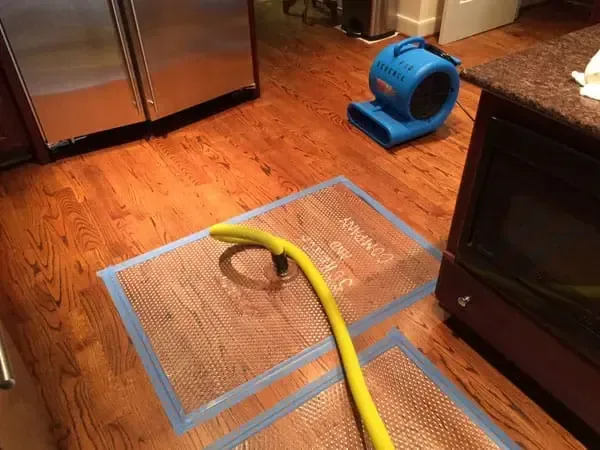
Extraction addresses water that can be physically removed from floors and accessible materials. The work also establishes where moisture has entered layers that need a separate drying or removal decision.
Rapid local response
The response team prioritizes active water and asks about safe entry, continuing flow and occupied rooms. A clear description helps the assessment focus on hazards before equipment reaches the wet area.
IICRC S500 drying standard
The drying crew sets material goals against unaffected references, sizes dehumidification to the evaporation load and adjusts airflow as readings change. A dry surface alone never closes the moisture record.
Claim-ready documentation
The mitigation team records the source, affected materials, photographs and daily readings in a room-by-room scope. The insurer reviews that evidence against the policy and makes the coverage decision.
Local water experts
The technician distinguishes plumbing discharge from outside water at the actual building. Different floor assemblies, access restrictions and contents call for different drying methods, even when neighboring rooms share the same leak.
First steps for water extraction and removal
- Keep traffic outside the puddle
Foot traffic can carry water and debris into dry rooms. Occupants should use another route while the affected floor and any electrical hazards are assessed.
- Identify the continuing supply
An active leak keeps refilling the removal area. A safe shutoff or appropriate source repair needs coordination before extraction can produce a lasting reduction.
- Point out floor transitions
Different finishes may meet beneath a doorway or rug. Identifying those changes helps the assessment follow water that has crossed into less visible layers.
- Leave powered tools disconnected
Household electrical equipment should stay outside standing water. Safe power arrangements and suitable extraction equipment belong in the assessment before the removal phase begins.
What does water extraction and removal cost in Lone Tree, CO?
Lone Tree extraction pricing depends on accessible water, floor materials and the removal route. The estimate should identify the affected area, handling needs and any additional drying required after the standing water is gone.
Limited standing water
$800 to $1,800
- Open floor access
- Localized extraction work
- Wet edge inspection
Several connected rooms
$1,800 to $4,500
- Water across thresholds
- Additional finish assessment
- Broader removal route
Deep or contaminated loss
$4,500 to $8,000+
- More complex handling
- Affected material separation
- Expanded cleaning scope
Category, wet square footage, material class and the delay before drying change the scope. The water damage cost calculator gives an estimate only; the inspection establishes the work.
Documentation for your insurance claim
The restoration team assembles timestamped photographs, a moisture map, daily psychrometric logs and a room-by-room scope. Sudden accidental water damage, long-term leakage and outside flooding can receive different treatment. The property owner checks the policy with the insurer; documentation supports review without promising payment for mitigation, access or plumbing repair.
The water extraction and removal process
Survey the removable water
The first pass identifies standing liquid, saturated coverings and the source condition. Access restrictions and occupied areas are recorded before equipment is positioned or belongings are moved through the building.
Recover liquid from accessible materials
Extraction tools are selected for the floor finish and water condition. Repeated passes address remaining liquid in suitable materials while areas that cannot be safely retained are handled separately.
Check beyond the visible boundary
Measurements at wall junctions and adjoining finishes help locate moisture that extraction alone cannot reach. The findings establish where focused drying, further access or material removal needs to follow.
Set the next moisture check
The removal record identifies retained wet layers and the locations selected for repeat readings. That information supports equipment placement and gives the owner a clear explanation of work still required.
Inside the water extraction and removal assessment
Water removal has two distinct targets: the liquid still moving across the room and the moisture already held in its materials. Treating only the first can leave a floor assembly wet beneath a clean looking surface. The initial assessment marks both conditions so extraction and subsequent drying address the full affected footprint.
Let the room layout set the removal route
Lyric at RidgeGate is planned to include condominiums, townhomes and single family residences. Those building arrangements make access an early question. Hoses, equipment and removed contents need a route that avoids spreading water through unaffected areas. Shared entrances also require coordination with the person responsible for the building.
- A broad open floor allows different tool movement than a narrow room crowded with furniture.
- Water beneath carpet calls for checking the backing and pad before choosing a retention approach.
- Thresholds can conceal a change in flooring that interrupts the visible path of the puddle.
- Closets and cabinet recesses need individual attention when water has reached their lower edges.
Separate extraction from the drying decision
In RidgeGate West, residential and commercial neighborhoods share the same broader area. An office carpet and a residential wood floor can hold water differently even when the visible depth appears similar. Extraction methods should match the actual finish and its condition. Damaged backing, contamination or inaccessible wet layers can change whether a material remains.
A moisture survey extends past the wettest spot. Wall bases, adjoining rooms and floor transitions can reveal water migration that is no longer visible. Removal of liquid reduces the load, but retained materials still need a plan for releasing trapped moisture. Structural drying addresses that next stage.
Standing water needs an assessment of the room, source and access route. Describe the affected floor and any restrictions before the extraction scope is arranged.
(888) 532-8620Discuss this floor's standing waterRecord what remains after the puddle disappears
Park Meadows provides a familiar location reference for properties in the city. At any affected address, the useful record is specific to the room: where water collected, what was extracted and which materials remain elevated. Photographs and marked measurement locations make later comparisons more reliable than recollection alone.
- Record the material beneath each finish before a decision about further access is made.
- Identify places where furniture or fixed cabinetry prevents a complete inspection of the floor.
- Distinguish removed surface water from moisture still requiring active drying in the retained assembly.
A clear handoff prevents the disappearance of a puddle from being mistaken for completion. The scope should name remaining wet areas, necessary access work and the plan for reassessing them after extraction.
Safe access comes first
The response team assesses electrical contact, unstable ceilings and contaminated water before extraction begins. Occupants keep clear of affected rooms until the hazards have been checked. A plumber isolates an active supply failure; drying follows source control and inspection of the materials beneath the visible damage.
Property owners can review flood safety precautions and EPA indoor air information alongside the onsite assessment.
Water extraction and removal in Lone Tree
Water removal assessments cover Lone Tree properties with different room layouts and access needs. RidgeGate East and RidgeGate West provide location context, while the specific entrance, affected floor and shared building arrangements shape the equipment route and removal plan.
The same service nearby: water extraction and removal in Monument, Castle Pines, Parker.
Related water damage services in Lone Tree


Water Extraction and Removal questions in Lone Tree, CO
Discuss the wet materials
Standing water needs an assessment of the room, source and access route. Describe the affected floor and any restrictions before the extraction scope is arranged.
(888) 532-8620Discuss this floor's standing waterDoes extraction also dry the floor underneath?
Extraction removes accessible liquid, including some water held in suitable coverings. Moisture inside the substrate or behind trim often remains. Those layers need separate readings and a drying plan before the floor assembly can be considered ready for repair.
Can a household vacuum remove the puddle?
Ordinary household vacuums should not be used on water. Standing liquid near powered equipment also creates access hazards. The assessment establishes safe electrical arrangements and appropriate water recovery methods for the actual conditions and floor materials present.
Will all wet carpet need replacement?
Carpet decisions depend on the water condition, backing, pad and installation. A surface that appears recoverable may still have damaged or contaminated layers below it. Inspection of the full assembly is necessary before extraction and retention are chosen.
Why check a room without visible water?
Water can move underneath continuous flooring or along a wall base. The original puddle may recede while adjacent materials remain wet. Readings at the wet boundary reveal moisture beneath adjoining floor layers and help direct extraction to the areas that need it.
Can occupants cross the extraction area?
Traffic should remain outside the active work area whenever possible. Wet surfaces, hoses and equipment can obstruct movement, and shoes can spread affected water. An agreed access route helps preserve usable rooms while removal proceeds in the damaged space.
What follows the last extraction pass?
The remaining materials are reassessed for moisture and condition. The next scope may include controlled drying, access behind trim or removal of damaged layers. A written record should distinguish completed water recovery from those outstanding material decisions.
Plan the next removal step
A clear description of the wet rooms helps connect immediate extraction with the drying work that follows.
(888) 532-8620Arrange a water removal assessment