Hardwood Floor Water Damage in Lone Tree
Raised board edges can remain after the surface water is wiped away. Lone Tree hardwood restoration considers the installed floor, moisture beneath it and changes in the boards before selecting a drying or removal approach.
(888) 532-8620Discuss the wet boards and subfloor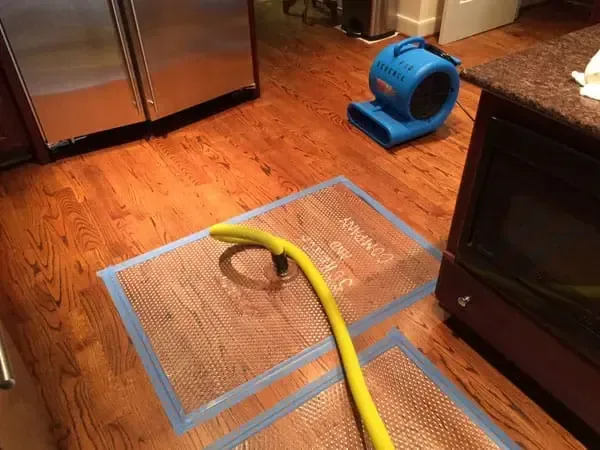
How hardwood floor water damage is handled
Hardwood water damage work evaluates the complete floor assembly where wood is installed. Board condition, installation method and moisture below the finish influence whether drying can be attempted or damaged sections need removal before repair.
Rapid local response
The response team prioritizes active water and asks about safe entry, continuing flow and occupied rooms. A clear description helps the assessment focus on hazards before equipment reaches the wet area.
IICRC S500 drying standard
The drying crew sets material goals against unaffected references, sizes dehumidification to the evaporation load and adjusts airflow as readings change. A dry surface alone never closes the moisture record.
Claim-ready documentation
The mitigation team records the source, affected materials, photographs and daily readings in a room-by-room scope. The insurer reviews that evidence against the policy and makes the coverage decision.
Local water experts
The technician distinguishes plumbing discharge from outside water at the actual building. Different floor assemblies, access restrictions and contents call for different drying methods, even when neighboring rooms share the same leak.
First steps for hardwood floor water damage
- Restrict traffic across lifted boards
Raised edges create uneven footing. The affected area should remain protected from unnecessary traffic while the floor condition and water source receive assessment.
- Keep product details available
Spare boards or installation records can help identify the floor. The assessor still needs to examine the assembly and measure moisture at accessible locations.
- Postpone sanding and refinishing
Appearance repairs belong after the material assessment. Changing the surface while moisture remains can hide useful signs and complicate the flooring contractor's later evaluation.
- Report wet adjoining finishes
Damp trim or nearby carpet can reveal spread beyond the boards. Those observations help define the inspection boundary and identify other assemblies needing attention.
What does hardwood floor water damage cost in Lone Tree, CO?
Hardwood restoration costs in Lone Tree reflect board condition, installation access and moisture in the substrate. The estimate should separate drying work from selective removal and later flooring repair, with each decision tied to the affected assembly.
Limited accessible wet boards
$1,000 to $2,200
- Defined board contact
- Reachable floor edges
- Focused moisture comparison
Room floor and substrate
$2,200 to $5,500
- Broader wood involvement
- Underlying layer assessment
- Targeted drying arrangement
Several rooms or removal needs
$5,500 to $9,500+
- Connected flooring areas
- Additional access openings
- Damaged section removal
Category, wet square footage, material class and the delay before drying change the scope. The water damage cost calculator gives an estimate only; the inspection establishes the work.
Documentation for your insurance claim
The restoration team assembles timestamped photographs, a moisture map, daily psychrometric logs and a room-by-room scope. Sudden accidental water damage, long-term leakage and outside flooding can receive different treatment. The property owner checks the policy with the insurer; documentation supports review without promising payment for mitigation, access or plumbing repair.
The hardwood floor water damage process
Identify the installed assembly and damage pattern
The survey records floor type, visible movement and the source route. Available product information is considered alongside inspection findings, creating a starting record for board condition and accessible substrate moisture locations.
Decide whether access supports retention
Water condition and material integrity inform the drying approach. The scope explains where selective removal is needed to reach trapped moisture or where damaged flooring cannot remain, instead of assuming the entire floor has one outcome.
Track the response of boards and substrate
Readings are compared during drying to check both the finish material and underlying layer. Equipment or access changes follow that pattern, with board movement and remaining wet pockets considered alongside the moisture measurements.
Prepare the flooring trade's next decision
The final check distinguishes completed drying from sanding, refinishing or replacement. Recorded material conditions and removed sections help the flooring contractor evaluate repair choices using the actual product and installation requirements.
Inside the hardwood floor water damage assessment
Wood flooring can show water exposure through raised edges, gaps or changes at a seam. Those visible signs need to be considered alongside moisture within the board and below it. A surface that feels dry can still cover a wet substrate, so a sound plan examines the installed assembly before deciding on drying equipment or finish restoration.
Identify the floor before selecting treatment
Lyric at RidgeGate is planned to include condominiums, townhomes and single family residences. Where an affected property has hardwood, product and installation details matter more than the housing label. Solid boards, layered products and different attachment methods can present different access and retention questions after water exposure.
- Product information or spare flooring may help identify the installed material and its construction.
- Movement at a board edge should be recorded before sanding or other appearance work changes it.
- Transitions to tile or carpet can mark a route where water entered the underlying floor assembly.
Compare the boards with the layer beneath
RidgeGate West contains residential and commercial neighborhoods, and Lone Tree City Center includes multifamily housing. In an affected room, access beneath a wood finish may be limited by installation or shared building arrangements. The assessment needs to explain where readings were taken and which concealed layers still require inspection.
Suitable drying methods depend on the water condition, board integrity and ability to reach retained moisture. A damaged adhesive layer, distorted product or contaminated contact can change the retention decision. Selective access may be necessary to understand the substrate rather than treating all movement as a surface finish problem.
Board movement is a reason to inspect the whole floor assembly. Describe the visible changes, the water source and any available product information when arranging a check of the boards and substrate.
(888) 532-8620Discuss the floor's moisture and movementKeep sanding separate from moisture recovery
Sanding changes the exposed profile of the boards. That work should wait until the flooring trade can evaluate a stable assembly and the results of drying. Altering a floor while its moisture condition is still changing can make the eventual repair decision more difficult and obscure the original damage pattern.
- Track board and substrate readings at identified locations so comparisons remain useful across visits.
- Record sections removed for access separately from boards removed because they could not remain in service.
- Provide the repair trade with drying findings before refinishing or replacement materials are selected.
Slab leak cleanup may be relevant when a confirmed underfloor source has affected the wood from below. The final floor plan should connect source correction, retained moisture and product condition, giving the owner a clear reason for any proposed drying, selective replacement or finish work.
Safe access comes first
The response team assesses electrical contact, unstable ceilings and contaminated water before extraction begins. Occupants keep clear of affected rooms until the hazards have been checked. A plumber isolates an active supply failure; drying follows source control and inspection of the materials beneath the visible damage.
Property owners can review flood safety precautions and EPA indoor air information alongside the onsite assessment.
Hardwood floor water damage in Lone Tree
Hardwood damage assessments serve Lone Tree properties where wood flooring is installed. Lyric at RidgeGate, RidgeGate West and Lone Tree City Center provide location context, while the floor product, source direction and access to the substrate determine the assessment and drying choices.
The same service nearby: hardwood floor water damage in Monument, Castle Pines, Parker.
Related water damage services in Lone Tree

Hardwood Floor Water Damage questions in Lone Tree, CO
Discuss the wet materials
Board movement is a reason to inspect the whole floor assembly. Describe the visible changes, the water source and any available product information when arranging a check of the boards and substrate.
(888) 532-8620Discuss the floor's moisture and movementCan raised board edges settle during drying?
Some movement can change as moisture conditions change, but the outcome depends on the product and extent of damage. Readings and condition checks help evaluate the response. The restoration scope should leave repair decisions tied to the actual floor rather than promise recovery.
Does a dry surface mean the subfloor is ready?
The surface and substrate can have different moisture conditions. Water below the boards may remain after the exposed finish feels dry. Measurements and suitable access help determine whether the underlying layer still needs treatment before flooring repairs proceed.
Should the floor be sanded while equipment runs?
Sanding should wait for the flooring trade's check of the stabilized assembly. Removing material while board shape and moisture are still changing can complicate later repairs. The drying record provides useful information before appearance work or refinishing is chosen.
Will every wet board need to be removed?
Removal depends on water condition, product integrity and access to trapped moisture. Some areas may remain for drying while others require selective removal. The scope should explain the reason for each affected section and identify any substrate work beneath it.
Why identify the flooring product first?
Different wood floor constructions and attachment methods affect access, moisture behavior and repair options. Product records can support the inspection, but the installed condition still needs assessment. The approach should fit the actual assembly rather than a generic description of hardwood.
Can water under cabinets affect the wood nearby?
Water can collect at cabinet edges and travel into adjoining floor layers. The visible boards may show only part of the affected area. Inspection at those junctions helps determine whether cabinet access or a wider substrate assessment belongs in the restoration scope.
Choose the repair after assessing the assembly
A documented drying check helps connect board condition and substrate readings with the flooring trade's next repair decision.
(888) 532-8620Arrange the wood floor material check