Structural Drying in Lone Tree
A room can feel comfortable while its floor or wall remains wet. Lone Tree structural drying uses readings from identified materials to plan equipment, track change and decide when further access is needed.
(888) 532-8620Discuss the remaining material moisture
How structural drying is handled
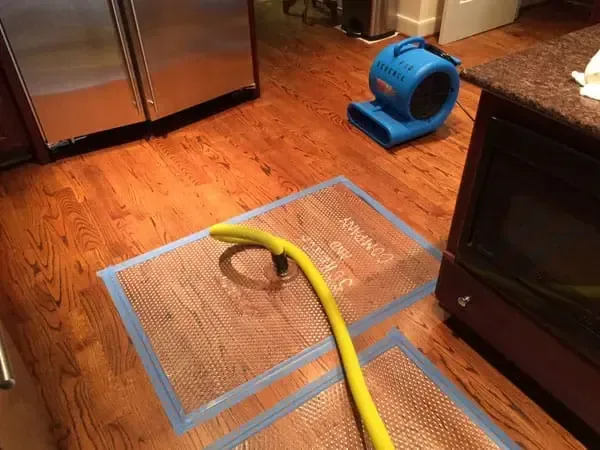
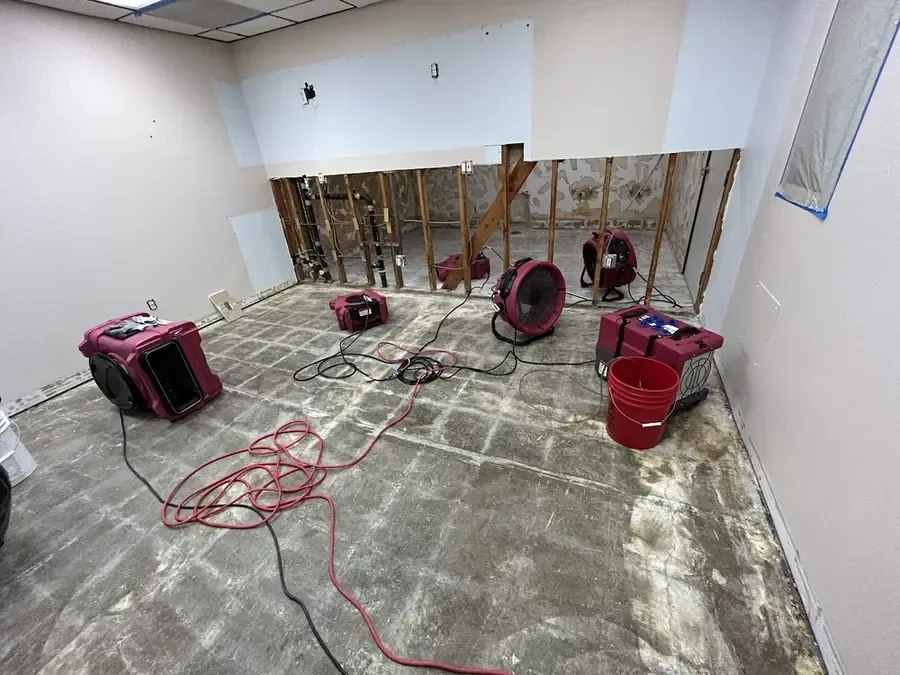
Structural drying addresses moisture retained after water removal and necessary cleaning. Measurements, equipment placement and access decisions work together to help wet materials release moisture while their condition is checked throughout the process.
Rapid local response
The response team prioritizes active water and asks about safe entry, continuing flow and occupied rooms. A clear description helps the assessment focus on hazards before equipment reaches the wet area.
IICRC S500 drying standard
The drying crew sets material goals against unaffected references, sizes dehumidification to the evaporation load and adjusts airflow as readings change. A dry surface alone never closes the moisture record.
Claim-ready documentation
The mitigation team records the source, affected materials, photographs and daily readings in a room-by-room scope. The insurer reviews that evidence against the policy and makes the coverage decision.
Local water experts
The technician distinguishes plumbing discharge from outside water at the actual building. Different floor assemblies, access restrictions and contents call for different drying methods, even when neighboring rooms share the same leak.
First steps for structural drying
- Identify any continuing wetting
Drying should not begin with an unresolved release feeding the same assembly. Source status needs coordination so the material readings can reflect recovery rather than repeated contact with incoming water.
- Keep equipment arrangements intact
Moving a fan, unplugging a unit or changing doors can alter the drying conditions. Occupants should discuss necessary access changes with the restoration contact before modifying the working arrangement.
- Report new stains or dampness
A newly wet edge or returning drip may signal a source problem or an overlooked route. Those observations should be recorded so the next assessment can investigate the affected location.
- Retain the material progress record
Measurements and equipment notes help explain the work completed and the remaining repairs. The owner should keep them available for the contractor responsible for flooring, insulation or finish reconstruction.
What does structural drying cost in Lone Tree, CO?
Structural drying costs in Lone Tree depend on the number of wet assemblies, access restrictions and equipment needed to reach retained moisture. The estimate should identify monitoring and access work as well as the proposed drying setup for each affected area.
Small accessible drying zone
$1,000 to $2,000
- Exposed wet materials
- Focused equipment placement
- Comparable progress readings
Several wet assemblies
$2,000 to $5,000
- Different material groups
- Wider indoor control
- Additional measurement points
Dense or enclosed materials
$5,000 to $9,000+
- Restricted drying paths
- Targeted access requirements
- More involved monitoring
Category, wet square footage, material class and the delay before drying change the scope. The water damage cost calculator gives an estimate only; the inspection establishes the work.
Documentation for your insurance claim
The restoration team assembles timestamped photographs, a moisture map, daily psychrometric logs and a room-by-room scope. Sudden accidental water damage, long-term leakage and outside flooding can receive different treatment. The property owner checks the policy with the insurer; documentation supports review without promising payment for mitigation, access or plumbing repair.
The structural drying process
Establish a material based starting record
The survey identifies retained wet components and suitable comparison conditions. Readings are tied to locations and material types so later assessments can distinguish true progress from measurements taken on a different surface.
Set equipment around the drying pathways
Air movement and humidity control are selected for exposed wet areas and available access. The arrangement also considers electrical capacity, occupied routes and the boundaries needed to keep indoor conditions manageable.
Investigate uneven progress
Repeat readings reveal where material moisture is declining or remaining elevated. The plan is adjusted when a blocked layer, renewed water or inaccessible pocket explains a location that is not responding as expected.
Document the retained assembly at handoff
The closing check records material findings and any remaining construction tasks. Those details help the owner and repair trade plan closure without confusing room air conditions with the condition of the actual building materials.
Inside the structural drying assessment
The purpose of a drying setup is to remove moisture from the building materials, not merely create a breeze in the room. A floor substrate, wall base and enclosed cavity can respond differently to the same equipment. An initial material map gives later readings a useful reference and reveals which areas need a more direct drying path.
Define separate zones by material and access
RidgeGate West contains retail, commercial and residential neighborhoods. A wet office partition and a residential floor may therefore appear within the same broader location context while requiring different treatment. The plan should name the actual assembly, how it was affected and which surfaces are available for airflow or moisture measurement.
- Dense substrates may release moisture differently from exposed porous finishes in the same affected room.
- Cabinets and fixed coverings can block the route between a wet layer and the drying air.
- Insulation and enclosed bays require access decisions before equipment can meaningfully address trapped moisture.
Read the pattern instead of the calendar
Sky Ridge Medical Center and the Charles Schwab corporate campus are within RidgeGate. Around homes and business spaces in this mixed use area, occupancy and access can affect equipment arrangements. Those practical constraints belong in the plan alongside material readings, so a necessary traffic route does not unintentionally interrupt the drying zone.
Comparable readings show whether the moisture trend is moving in the intended direction. A stalled location may point to blocked access, new water or an equipment arrangement that needs adjustment. The response should address that cause rather than continue an unchanged setup solely because a preset number of days has not elapsed.
Material readings can explain why a room still needs drying after the puddle is gone. Describe the affected walls, floors and existing access when arranging a check of the retained moisture.
(888) 532-8620Discuss the drying progress recordMake the end point useful to the next trade
A completion check compares the retained assembly with the selected drying target and considers the condition of the material. It should identify outstanding repairs and any inaccessible area separately. A flooring installer or reconstruction contractor then receives useful observations instead of a general statement that the room feels dry.
- Keep measurement locations identifiable throughout the job so progress comparisons refer to the same materials.
- Record equipment changes with the reason for adjusting airflow, humidity control or access to a cavity.
- Distinguish drying completion from product specific requirements that apply to subsequent flooring or finish installation.
When liquid remains accessible, water extraction precedes this phase. The two stages work together, but each needs its own record of what was removed and what remained within the building.
Safe access comes first
The response team assesses electrical contact, unstable ceilings and contaminated water before extraction begins. Occupants keep clear of affected rooms until the hazards have been checked. A plumber isolates an active supply failure; drying follows source control and inspection of the materials beneath the visible damage.
Property owners can review flood safety precautions and EPA indoor air information alongside the onsite assessment.
Structural drying in Lone Tree
Structural drying assessments in Lone Tree address homes and business interiors with retained wet materials. RidgeGate West's mixed uses call for property specific access planning, while the material type, moisture distribution and ability to reach the assembly establish the equipment strategy.
The same service nearby: structural drying in Monument, Castle Pines, Parker.
Related water damage services in Lone Tree

Structural Drying questions in Lone Tree, CO
Discuss the wet materials
Material readings can explain why a room still needs drying after the puddle is gone. Describe the affected walls, floors and existing access when arranging a check of the retained moisture.
(888) 532-8620Discuss the drying progress recordCan dry room air mean the wall is still wet?
Yes. Air conditions and material moisture describe different parts of the drying process. A wall or substrate can hold water after the room feels comfortable. Material readings help determine whether the retained assembly is progressing toward the selected target.
Why are readings taken at marked locations?
Comparable locations make the record more useful. A reading from a different material or depth may not show the same trend. Identifying measurement points helps later checks track the original wet assembly and explain any changes to equipment or access.
Should equipment stay where it was placed?
The arrangement is intended to serve particular wet surfaces and manage indoor conditions. Moving or disconnecting equipment can interrupt that approach. Necessary changes for access or occupancy should be discussed so the drying plan can be adjusted deliberately.
What happens when a cavity stays wet?
The assessment checks possible reasons, including blocked airflow, retained insulation or continuing water entry. Further access or an equipment change may be needed. The response should follow the material findings rather than simply leave the same setup running indefinitely.
Does drying also repair damaged finishes?
Drying addresses retained moisture, while replacement or reconstruction restores damaged components and appearance. Some materials cannot remain despite improved readings. The completion record should identify drying results separately from trim, flooring or wall work still needed after the restoration phase.
Is there a fixed drying duration for every room?
The necessary duration depends on the materials, water exposure, access and drying conditions. Repeat measurements provide the basis for progress decisions. A predetermined calendar cannot substitute for checking the actual wet assembly and addressing locations that remain elevated.
Make the next decision from material readings
A measured plan connects equipment placement and access changes with the condition of the building components that remain.
(888) 532-8620Arrange a retained material assessment