Castle Rock Frozen Pipe Water Damage
A frozen section can hide a split until water begins moving again. Castle Rock thaw damage cleanup checks the repaired pipe area and the cavities reached by the release, including insulation that may conceal spreading moisture.
(888) 532-8620Check the damage exposed during thawing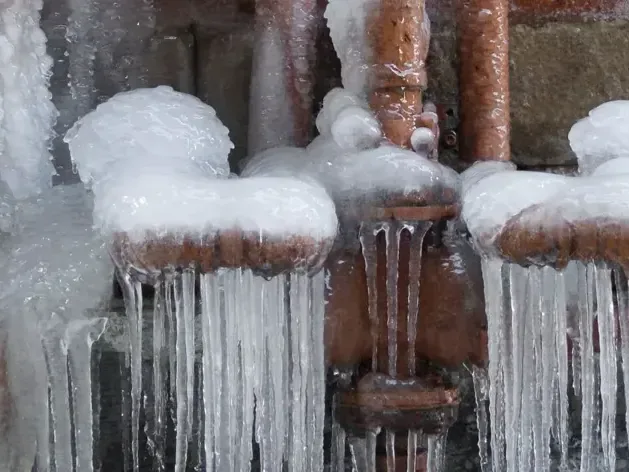
How frozen pipe water damage is handled
Once flow returns, surrounding materials still need moisture checks. A thaw related loss requires source assessment, inspection along the water path and drying decisions that reach concealed layers after the plumbing has been made safe.
Rapid local response
The response team prioritizes active water and asks about safe entry, continuing flow and occupied rooms. A clear description helps the assessment focus on hazards before equipment reaches the wet area.
IICRC S500 drying standard
The drying crew sets material goals against unaffected references, sizes dehumidification to the evaporation load and adjusts airflow as readings change. A dry surface alone never closes the moisture record.
Claim-ready documentation
The mitigation team records the source, affected materials, photographs and daily readings in a room-by-room scope. The insurer reviews that evidence against the policy and makes the coverage decision.
Local water experts
The technician distinguishes plumbing discharge from outside water at the actual building. Different floor assemblies, access restrictions and contents call for different drying methods, even when neighboring rooms share the same leak.
First steps for frozen pipe water damage
- Report the frozen section
A plumbing professional can assess the source and safe return of flow. Avoid improvised heat or disturbing connections while water may be concealed in surrounding materials.
- Watch safely for new water
As thawing or repair restores service, note stains and dripping without entering wet electrical areas. Changes elsewhere may reveal another part of the previously hidden release.
- Describe exposure and affected materials
Share pipe location, visible insulation and rooms reached by water. Those observations coordinate source repair access with the openings needed for moisture assessment and drying.
- Document the repair opening
Photos of the source area and wet layers explain the loss after plumbing work. Retain images with measurements before replacement finishes close the inspected cavity.
What does frozen pipe water damage cost in Castle Rock, CO?
Frozen pipe damage cleanup in Castle Rock depends on the thaw release and the concealed layers it soaked. Multiple wet cavities or releases expand the restoration scope, with plumbing repair and future protection work identified separately.
Localized thaw release
$1,500 to $3,000
- Defined wet room
- Accessible source area
- Limited material drying
Insulation and room spread
$3,000 to $7,000
- Wet cavity assessment
- Connected floor inspection
- Broader access openings
Multiple concealed releases
$7,000 to $12,000+
- Several affected zones
- Complex material removal
- Extended moisture supervision
Category, wet square footage, material class and the delay before drying change the scope. The water damage cost calculator gives an estimate only; the inspection establishes the work.
Documentation for your insurance claim
The restoration team assembles timestamped photographs, a moisture map, daily psychrometric logs and a room-by-room scope. Sudden accidental water damage, long-term leakage and outside flooding can receive different treatment. The property owner checks the policy with the insurer; documentation supports review without promising payment for mitigation, access or plumbing repair.
The frozen pipe water damage process
Connect thaw timing to the water path
The assessment checks when leakage appeared, the repaired pipe location and changes in nearby rooms. That information directs cavity inspection and distinguishes the first visible opening from the full release footprint.
Recover water and expose affected insulation
Once safe access and source control are established, extraction reduces pooled water. Insulation and damaged finishes are assessed for removal where they hold moisture or prevent useful access to retained framing and supporting surfaces.
Dry the materials left in place
Equipment arrangements target reachable wet layers, with readings showing how those layers respond. A rise or stalled trend prompts check of access and source conditions rather than assuming warmer weather will finish the job.
Coordinate closure with repaired plumbing
The final condition is checked after the source work, with records of removed materials and retained moisture status. The next repair stage can then address opened finishes while any prevention recommendations remain a separate plumbing discussion.
Inside the frozen pipe water damage assessment
Cold conditions can leave a plumbing problem quiet until thawing restores the water flow. Castle Rock's January mean daily minimum is 18.0 degrees Fahrenheit in the 1991 to 2020 climate normals. For a property experiencing a frozen pipe loss, the practical concern is the release that follows: where water escaped, how long it continued and which building materials it reached.
Trace the thaw leak beyond the first opening
A visible split gives the plumber a repair location, but nearby piping and concealed surfaces may require further assessment. Water can emerge behind insulation or flow toward a lower room. Observations made as service resumes are useful for tracing that route and identifying whether the loss extends beyond the first damaged connection.
- Record when dripping began relative to the return of water at affected fixtures.
- Report new ceiling stains below the pipe location as well as water beside the repair opening.
- Keep the source professional informed if another area becomes wet after the initial repair.
- Avoid improvised heating or disturbing connected plumbing while the condition remains uncertain.
In The Meadows, a cold weather water loss still requires an assessment of the individual building. Pipe location and exposure are determined at the property, alongside the actual wet materials found during inspection.
Reach the insulation and finishes that conceal the release
A thaw leak can saturate insulation before a wall surface changes noticeably. Once the source is controlled, extraction and purposeful openings reveal where water remains. Damaged or obstructive layers may need removal to allow the retained framing and supporting floor surfaces to receive useful drying rather than only warming the room air.
- Check cavity insulation separately from the visible wall or ceiling finish around it.
- Follow moisture beneath thresholds if the release crossed into an adjoining room.
- Photograph exposed layers during source repair before temporary covering hides the water path.
- Explain why each proposed opening is needed to inspect or dry a specific wet assembly.
Near Founders Parkway and Elbert Street, access descriptions help arrange the work. Whether the affected pipe is in a wall or another exposed location, the restoration boundary follows the escaped water.
A thaw related release can reveal damage in stages as water moves through the building. Describe the repair location and newly wet rooms so the assessment follows the full path of the escaped water.
(888) 532-8620Discuss the thaw related water spreadVerify the room condition after normal flow resumes
The source repair should be checked alongside readings from the surrounding materials. A quiet connection can coexist with wet framing or trapped water beneath flooring. Burst pipe cleanup addresses those connected surfaces, while drying progress determines when replacement finishes can be considered for the opened area.
- Recheck inspected locations if moisture rises after plumbing service returns to ordinary use.
- Track the response of retained materials rather than setting completion by the outdoor temperature.
- Coordinate future pipe protection discussions with the plumbing professional handling the source repair.
The closeout should distinguish prevention work from restoration of the current loss. Repairing exposure concerns helps future planning, while documented drying addresses the water already released into the structure.
Safe access comes first
The response team assesses electrical contact, unstable ceilings and contaminated water before extraction begins. Occupants keep clear of affected rooms until the hazards have been checked. A plumber isolates an active supply failure; drying follows source control and inspection of the materials beneath the visible damage.
Property owners can review flood safety precautions and EPA indoor air information alongside the onsite assessment.
Frozen pipe water damage in Castle Rock
Frozen pipe losses in Castle Rock can be reported with location references such as The Meadows, Founders Parkway or Elbert Street. Include when flow changed, where the pipe was repaired and which rooms developed moisture during or after the thaw.
The same service nearby: frozen pipe water damage in Monument, Castle Pines, Parker.
Related water damage services in Castle Rock


Frozen Pipe Water Damage questions in Castle Rock, CO
Discuss the wet materials
A thaw related release can reveal damage in stages as water moves through the building. Describe the repair location and newly wet rooms so the assessment follows the full path of the escaped water.
(888) 532-8620Discuss the thaw related water spreadWhy does leakage appear only after a pipe thaws?
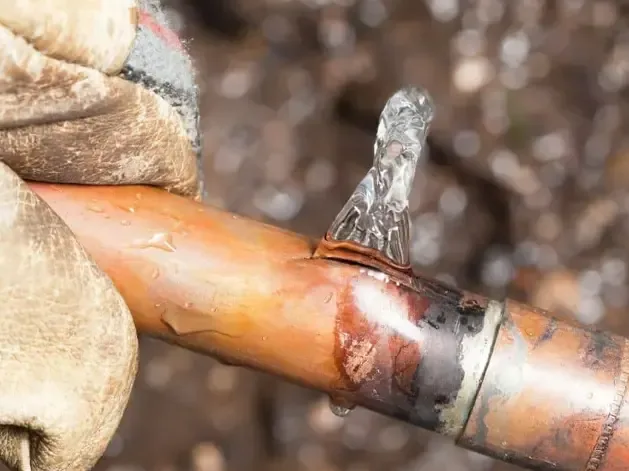
Ice can temporarily limit flow through a damaged section. As water moves again, a split may release into the surrounding space. A plumbing professional should assess the source, while restoration examines the cavities and finishes contacted by the newly visible water.
Does one repaired split rule out other wet areas?
The release can travel beyond the repair opening, and additional source concerns may need check. New dampness should be reported after service returns. Inspection of adjacent materials helps establish whether the restoration boundary extends into connected rooms or concealed spaces.
Will warmer indoor air dry the wall by itself?
A warm room does not ensure that concealed insulation or framing can release retained water effectively. The affected assembly needs assessment, with access and equipment chosen for the material conditions. Readings then show whether moisture is actually declining behind the finish.
Should wet insulation be covered again after pipe repair?
The insulation and surrounding materials should be evaluated first. A closed cavity can limit inspection and trap moisture beside framing. Removal or drying decisions need to be made before new wallboard or other finishes cover the source area and its connected wet layers.
Can another room become wet after the source stops?
Water retained inside a cavity can continue moving toward lower surfaces after the supply is controlled. That change still needs assessment because a continuing source may also be involved. Comparing new observations with repair records helps direct the next inspection.
Is protection against another freeze part of cleanup?
Future pipe protection is a separate discussion with the appropriate plumbing professional. Restoration addresses the materials affected by the current release. Keeping those scopes clear helps an owner check both the immediate drying work and any recommended changes to reduce future exposure.
Track the hidden moisture after flow returns
Source repair details and material readings establish which cavities still need access before the affected rooms are closed and refinished.
(888) 532-8620Plan the frozen pipe loss check