Burst Pipe Water Damage in Castle Rock
Water escaping under pressure can reach beyond the room containing the damaged pipe. Castle Rock burst pipe restoration follows that release through connected surfaces, separating the plumbing repair from extraction and drying inside the building.
(888) 532-8620Assess the rooms reached by the pipe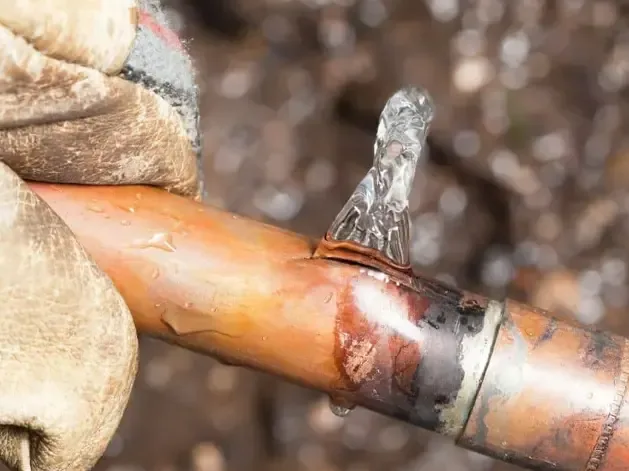
How burst pipe water damage is handled
The repaired fitting is one checkpoint in a larger loss. Wet insulation, flooring and wall bases need assessment so retained moisture does not disappear behind the appearance of a stopped leak.
Rapid local response
The response team prioritizes active water and asks about safe entry, continuing flow and occupied rooms. A clear description helps the assessment focus on hazards before equipment reaches the wet area.
IICRC S500 drying standard
The drying crew sets material goals against unaffected references, sizes dehumidification to the evaporation load and adjusts airflow as readings change. A dry surface alone never closes the moisture record.
Claim-ready documentation
The mitigation team records the source, affected materials, photographs and daily readings in a room-by-room scope. The insurer reviews that evidence against the policy and makes the coverage decision.
Local water experts
The technician distinguishes plumbing discharge from outside water at the actual building. Different floor assemblies, access restrictions and contents call for different drying methods, even when neighboring rooms share the same leak.
First steps for burst pipe water damage
- Locate a safe supply shutoff
A reachable shutoff can limit the loss if access is dry and safe. Avoid entering water near electrical equipment to reach a valve or pipe.
- Keep clear of overhead changes
Sagging or dripping ceilings may conceal substantial water. Restrict access below them and describe their condition when arranging source repair and assessment of the affected interior.
- Note the first affected surfaces
Record where the release appeared and which floors or walls changed afterward. That sequence helps trace the escape route when the damaged pipe remains concealed.
- Preserve evidence around the opening
Photograph exposed materials once access is safe. The repair finding, insulation and wet cavity surfaces connect the restoration scope with the release inside the building.
What does burst pipe water damage cost in Castle Rock, CO?
Burst pipe cleanup in Castle Rock depends on the release route and number of wet assemblies. A contained room differs from water inside partitions or between floors, where access and drying supervision become more involved.
Contained room loss
$1,200 to $2,800
- Limited wet flooring
- Accessible extraction work
- Local material checks
Walls and adjoining rooms
$2,800 to $6,500
- Connected cavity access
- Wet insulation decisions
- Wider moisture mapping
Several floors affected
$6,500 to $12,000+
- Overhead assembly inspection
- Multiple drying areas
- Complex finish removal
Category, wet square footage, material class and the delay before drying change the scope. The water damage cost calculator gives an estimate only; the inspection establishes the work.
Documentation for your insurance claim
The restoration team assembles timestamped photographs, a moisture map, daily psychrometric logs and a room-by-room scope. Sudden accidental water damage, long-term leakage and outside flooding can receive different treatment. The property owner checks the policy with the insurer; documentation supports review without promising payment for mitigation, access or plumbing repair.
The burst pipe water damage process
Connect the pipe to the damage
Source information is compared with visible stains, pooled water and damp finish edges. That survey establishes which rooms and building cavities may belong within the restoration boundary before equipment is placed.
Recover water and expose wet layers
Extraction reduces the liquid load while targeted access reveals affected insulation or supporting surfaces. Material removal decisions should be tied to damage, contamination or the ability to reach moisture inside the assembly.
Track the retained structure
Airflow and humidity control are arranged for the exposed wet materials. Measurements taken during follow up visits show where drying is progressing and where another opening or equipment adjustment may be necessary.
Coordinate closure after drying
Final conditions are checked alongside the plumbing repair and removed finish list. The reconstruction scope can then address the actual openings and materials without concealing unresolved dampness behind replacement wallboard or flooring.
Inside the burst pipe water damage assessment
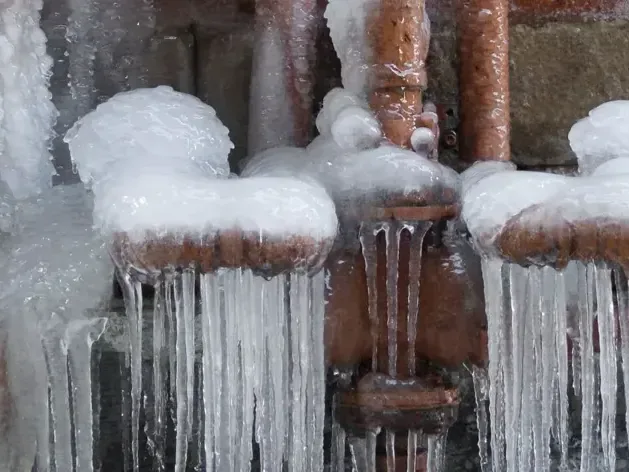
A burst inside a wall can send water downward before a large stain develops near the pipe. Cold, snowy winters make cold weather plumbing losses a relevant concern in Castle Rock, but cleanup still begins with the actual release point. The damaged fitting and the route of escaping water establish where the interior assessment needs to go.
Follow the release through connected surfaces
A pipe near a ceiling may affect insulation, framing and the room below. A low wall release can soak trim and flow under adjoining floors. The inspection should connect those observations, checking concealed spaces where the water traveled rather than drawing a boundary around the first visible mark.
- Inspect the ceiling below an upper room when water has disappeared through a floor opening.
- Check both sides of a wet partition if the release occurred within its cavity.
- Examine flooring transitions that can hide water beneath a dry looking neighboring surface.
- Record any damp insulation exposed during the plumbing repair before the opening is closed.
The Meadows and Founders Parkway are useful property references when reporting a loss. A description of the pipe location and affected levels adds the information needed to plan access inside that property.
Coordinate repair access with restoration access
The plumber may need a small opening to repair the source. Drying may require access farther along the wet cavity or floor. Those needs should be explained separately so an owner can understand why the restoration area extends beyond the repaired connection and which materials can remain.
- Remove pooled water from accessible surfaces once safe entry and source control are established.
- Assess absorbent finishes that have softened, separated or trapped moisture beneath their surface.
- Keep useful inspection openings available until moisture readings support the next repair stage.
- Document exposed conditions before temporary protection or new finishes cover the affected area.
For properties near Elbert Street, safe interior access and room layout govern the extraction plan. Water extraction addresses liquid recovery; the remaining wet structure needs its own drying assessment.
A sudden release deserves an assessment that reaches the rooms beyond the pipe opening. Describe the source location, water path and any ceiling changes when discussing the restoration needs.
(888) 532-8620Check the pipe release footprintCheck the damage after the pressure stops
A quiet pipe does not mean dry insulation or sound wallboard. Moisture measurements taken after the repair help reveal the retained load in surrounding materials. Drying equipment should target those findings and be adjusted as readings change, with damaged layers removed where cleaning or drying cannot reach them adequately.
- Compare repeated readings at the same accessible locations to see which materials are responding.
- Investigate new dampness if water appears after the original supply problem has been repaired.
- Share the final drying condition with the contractor responsible for rebuilding the opened finishes.
A complete closeout joins the source repair record with the affected room map and material decisions. This keeps a narrow plumbing repair from being mistaken for completion of the entire water loss.
Safe access comes first
The response team assesses electrical contact, unstable ceilings and contaminated water before extraction begins. Occupants keep clear of affected rooms until the hazards have been checked. A plumber isolates an active supply failure; drying follows source control and inspection of the materials beneath the visible damage.
Property owners can review flood safety precautions and EPA indoor air information alongside the onsite assessment.
Burst pipe water damage in Castle Rock
Burst pipe requests from The Meadows, Elbert Street and properties around Founders Parkway should include the affected room and level. Castle Rock access details help organize an assessment, while the pipe location and escape route determine the restoration work.
The same service nearby: burst pipe water damage in Monument, Castle Pines, Parker.
Related water damage services in Castle Rock


Burst Pipe Water Damage questions in Castle Rock, CO
Discuss the wet materials
A sudden release deserves an assessment that reaches the rooms beyond the pipe opening. Describe the source location, water path and any ceiling changes when discussing the restoration needs.
(888) 532-8620Check the pipe release footprintWhat if the pipe is repaired before cleanup starts?
The repair is useful source control, but the surrounding materials still need inspection. Share the plumber's findings and photographs of any opened cavity. Those records help locate areas that may hold water after the release has stopped flowing into the room.
Can water damage rooms away from the burst?
Water can travel within a cavity, beneath flooring or through an opening into a lower space. The visible release location is therefore only a starting point. Connected materials should be checked wherever the route of water suggests additional hidden dampness.
Why remove insulation after a pipe loss?
Wet insulation can hold water against surrounding materials and limit drying access. Its condition and the assembly determine whether it can remain. The restoration scope should explain removal decisions rather than assuming every cavity responds to air movement in the same way.
Does every burst result from frozen plumbing?
No. A failed joint or another plumbing defect may produce a sudden release. The cause belongs in the source investigation. Restoration focuses on the resulting water path, affected materials and the access required to remove moisture from the building.
Can painted wallboard stay if the surface feels firm?
Surface firmness is only part of the assessment. Moisture behind the finish, cavity insulation and the condition of joints also matter. Readings and appropriate access help determine whether the wall can dry effectively or needs selective removal for the affected area.
When should opened walls be closed again?
Closing should follow source repair, moisture check and any necessary material removal. The contractor handling finish repairs needs the final drying information. Covering a cavity before its retained materials are ready can leave moisture concealed behind the newly completed surface.
Connect source repair with a dry interior
Measurements around the affected cavities help establish which materials still need access, extraction or continued drying after the plumbing work ends.
(888) 532-8620Plan the burst damage inspection