Roof Leak Water Damage in Castle Rock
A stain appearing after rainfall can hide a longer path through the attic. Castle Rock roof leak restoration checks the ceiling assembly and nearby framing while the exterior opening receives the repair attention it needs.
(888) 532-8620Check rain damage above the room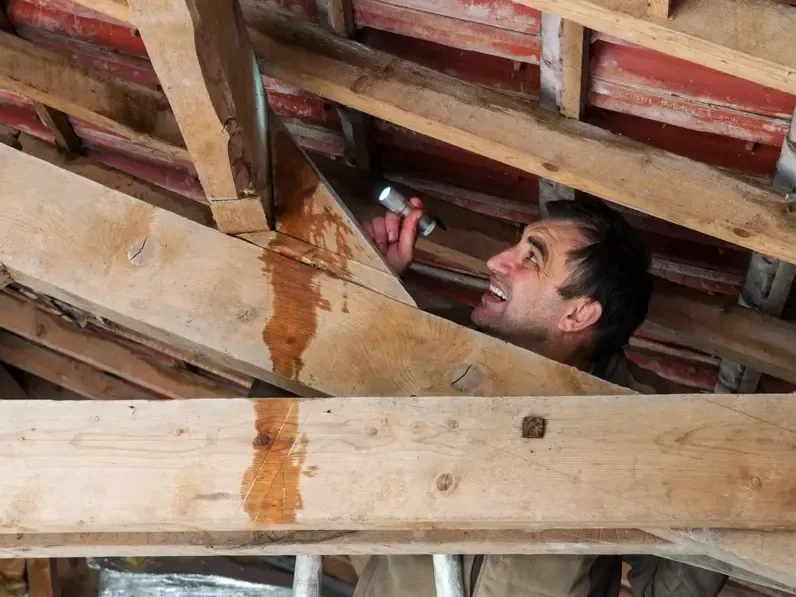
How roof leak water damage is handled
Interior cleanup looks beyond the visible drip. Wet insulation, stained framing and softened ceiling panels help define the work area, while source protection keeps more rain from reaching materials already being dried.
Rapid local response
The response team prioritizes active water and asks about safe entry, continuing flow and occupied rooms. A clear description helps the assessment focus on hazards before equipment reaches the wet area.
IICRC S500 drying standard
The drying crew sets material goals against unaffected references, sizes dehumidification to the evaporation load and adjusts airflow as readings change. A dry surface alone never closes the moisture record.
Claim-ready documentation
The mitigation team records the source, affected materials, photographs and daily readings in a room-by-room scope. The insurer reviews that evidence against the policy and makes the coverage decision.
Local water experts
The technician distinguishes plumbing discharge from outside water at the actual building. Different floor assemblies, access restrictions and contents call for different drying methods, even when neighboring rooms share the same leak.
First steps for roof leak water damage
- Observe from a safe area
Record stains and dripping without standing under sagging material. Restrict access beneath a weakened ceiling before moving contents or examining surfaces immediately below the damage.
- Note the relationship to rainfall
The timing of dampness and continued dripping helps describe the entry problem. Share those observations with the source repair professional and the interior restoration team.
- Arrange roof source assessment
Exterior repairs and temporary protection need suitable access and expertise. Interior restoration coordinates around that work, with drying dependent on preventing further entry into the affected assembly.
- Keep ceiling layers available
Avoid painting or closing the section before inspection. The exposed condition, insulation and framing readings determine what remains and what requires removal or continued drying.
What does roof leak water damage cost in Castle Rock, CO?
Roof leak restoration costs in Castle Rock depend on the ceiling footprint, insulation and attic access. A localized stain area differs from wet framing across several rooms, and the estimate should distinguish interior restoration from roof repairs.
Localized ceiling area
$1,000 to $2,300
- Defined overhead patch
- Accessible material checks
- Limited drying zone
Attic and ceiling assembly
$2,300 to $5,500
- Wet insulation access
- Framing moisture assessment
- Broader opening needs
Several overhead areas
$5,500 to $9,000+
- Multiple ceiling sections
- Connected wall inspection
- Extended equipment supervision
Category, wet square footage, material class and the delay before drying change the scope. The water damage cost calculator gives an estimate only; the inspection establishes the work.
Documentation for your insurance claim
The restoration team assembles timestamped photographs, a moisture map, daily psychrometric logs and a room-by-room scope. Sudden accidental water damage, long-term leakage and outside flooding can receive different treatment. The property owner checks the policy with the insurer; documentation supports review without promising payment for mitigation, access or plumbing repair.
The roof leak water damage process
Connect rain entry with interior marks
The assessment compares the reported weather timing with stains, drips and accessible attic conditions. That information helps trace the affected assembly and coordinate the interior scope with the separate exterior repair investigation.
Address weakened overhead finishes
Ceiling condition determines where access must be restricted and which damaged layers require removal. The work area is arranged to protect dry contents while exposing wet insulation or framing that needs closer inspection.
Apply drying to reachable materials
Equipment targets the retained assembly after source protection and necessary access are established. Moisture checks track how framing and adjoining surfaces respond, allowing changes where concealed layers remain slow to release water.
Check readiness for ceiling repairs
The closing assessment records material condition and remaining moisture before the assembly is rebuilt. Insulation replacement, panel installation and painting can then be discussed with the source repair status and drying results available together.
Inside the roof leak water damage assessment
The point where rain appears on a ceiling may be separated from the roof opening by framing and insulation. A drip can follow an overhead member before reaching the room. Castle Rock has wetter summers than winters, making the timing of a new stain useful information when assessing rain entry and the interior materials affected.
Read the stain as the end of a path
Inspection starts with the affected room and any safely accessible overhead space. The pattern around a skylight well, wall junction or ceiling seam can help direct further checks. A roofing professional investigates the exterior source while restoration evaluates what the water contacted on its way through the building.
- Record whether dampness appears during rain, after rain or independently of weather changes.
- Inspect accessible framing beyond the visible stain when water could have traveled along its surface.
- Check insulation that may remain wet even when the underside of the ceiling feels firmer.
- Keep occupants away from ceiling areas that sag, soften or shed damaged material.
For homes in The Meadows, inspection should follow the actual roof and attic arrangement. The local address reference helps organize access, while the water path establishes which overhead spaces belong in the drying plan.
Separate damaged layers from materials that can remain
Wet insulation can obstruct airflow against framing and keep moisture near the ceiling. Softened panels may require removal for safety or useful access. Each decision should identify the affected layer and explain whether it is being removed because of damage, cleaning needs or an inability to dry it effectively in place.
- Photograph the underside and accessible upper side of the affected assembly before closure.
- Check wall tops where overhead water has continued downward behind the painted surface.
- Protect dry contents below the work area when access requires ceiling material removal.
- Retain suitable openings until moisture checks support the planned repair of the ceiling.
Near Elbert Street or Founders Parkway, access constraints may affect how overhead materials are reached. The restoration proposal should account for those constraints rather than assuming every room offers the same inspection route.
Rain marks on a ceiling are a starting point for inspection. Describe their location, weather timing and any attic access so the discussion can reach the wet layers above the room.
(888) 532-8620Discuss the rain marked ceilingKeep interior drying connected to source protection
A repaired or temporarily protected roof allows drying to progress without a new rain load. Readings in framing and adjacent retained materials show where continued equipment is useful. For damage concentrated below the attic, ceiling leak cleanup describes the additional decisions involved in the room's overhead finish.
- Track changes in moisture if further rain occurs during the restoration period.
- Discuss permanent source repair separately from interior extraction, material removal and drying work.
- Confirm the condition of the assembly before insulation and replacement panels hide the inspected surfaces.
Paint belongs near the end of the sequence. Covering a stain before the overhead assembly has been assessed can leave an unresolved wet layer behind an improved surface appearance.
Safe access comes first
The response team assesses electrical contact, unstable ceilings and contaminated water before extraction begins. Occupants keep clear of affected rooms until the hazards have been checked. A plumber isolates an active supply failure; drying follows source control and inspection of the materials beneath the visible damage.
Property owners can review flood safety precautions and EPA indoor air information alongside the onsite assessment.
Roof leak water damage in Castle Rock
Roof water damage assessments in Castle Rock can use The Meadows, Elbert Street or Founders Parkway as location references. Reports should identify the stained room, attic access and whether the roof opening has received temporary protection or permanent repair.
The same service nearby: roof leak water damage in Monument, Castle Pines, Parker.
Related water damage services in Castle Rock


Roof Leak Water Damage questions in Castle Rock, CO
Discuss the wet materials
Rain marks on a ceiling are a starting point for inspection. Describe their location, weather timing and any attic access so the discussion can reach the wet layers above the room.
(888) 532-8620Discuss the rain marked ceilingDoes the ceiling stain sit directly below the roof opening?
Water can travel along framing or other surfaces before it becomes visible indoors. The stain helps start the inspection, but accessible overhead materials may need checking beyond it. The exterior source and the interior damage boundary can occupy different locations.
Should wet attic insulation stay during drying?
Its condition and the ability to dry the surrounding assembly determine the decision. Saturated or damaged insulation can hold moisture against framing and obstruct useful access. The scope should explain any removal recommendation and identify the affected overhead area clearly.
Can painting stop a roof leak stain from returning?
Painting addresses appearance after the source and moisture work are complete. It cannot prevent additional water from entering through an unresolved opening. Ceiling repair should follow assessment of the retained layers and confirmation that the exterior problem has been addressed.
What if rain begins again while drying is underway?
The source protection needs check and the affected materials may need new readings. A change after rainfall can help identify continued entry. The restoration record should note that change so equipment and repair decisions reflect the current condition of the assembly.
Is attic entry always necessary for the assessment?
The available access and building arrangement determine the inspection approach. Some affected layers may be reached from below, while others require appropriate attic access. Any opening should have a clear purpose tied to identifying moisture or treating the damaged materials.
Who repairs the roof and who repairs the ceiling?
Exterior source repair, interior moisture restoration and finish reconstruction may involve different professionals. The written scope should identify those responsibilities. Sharing the source status and final drying information helps coordinate the handoff before insulation or new ceiling finishes are installed.
Resolve the overhead moisture before repainting
The source status and readings in retained materials help establish what must happen before the ceiling is closed.
(888) 532-8620Plan an interior roof loss assessment