Roof Leak Water Damage in Parker
A stain near the ceiling can appear well away from the roof opening that admitted water. Interior restoration traces that concealed route, checks wet insulation and plans safe access while the roof source is addressed.
(888) 532-8620Discuss the roof leak path indoors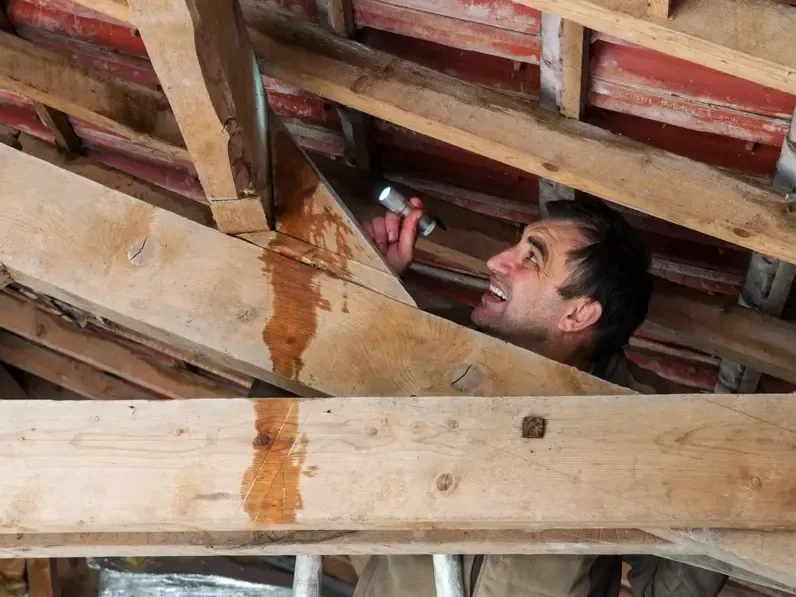
How roof leak water damage is handled
Parker roof leak cleanup focuses on the interior materials reached by roof water. Ceiling finishes, attic insulation and framing need assessment alongside the separate work required to correct the exterior entry point.
Rapid local response
The response team prioritizes active water and asks about safe entry, continuing flow and occupied rooms. A clear description helps the assessment focus on hazards before equipment reaches the wet area.
IICRC S500 drying standard
The drying crew sets material goals against unaffected references, sizes dehumidification to the evaporation load and adjusts airflow as readings change. A dry surface alone never closes the moisture record.
Claim-ready documentation
The mitigation team records the source, affected materials, photographs and daily readings in a room-by-room scope. The insurer reviews that evidence against the policy and makes the coverage decision.
Local water experts
The technician distinguishes plumbing discharge from outside water at the actual building. Different floor assemblies, access restrictions and contents call for different drying methods, even when neighboring rooms share the same leak.
First steps for roof leak water damage
- Keep clear below weakened finishes
A bulging ceiling can contain water or weakened material. Occupants should avoid standing beneath it or attempting to drain it before a safe overhead assessment has been completed.
- Describe the weather connection
Notes about when dripping appeared and whether it changed during precipitation can help the source investigation. The ceiling location and visible stain pattern should be recorded separately.
- Arrange exterior source attention
The roof entry needs evaluation by the appropriate repair professional. Interior cleanup can assess damage while the source work is coordinated, but continuing entry must remain part of the plan.
- Identify attic access restrictions
The assessment should know whether an attic opening is accessible and whether occupied rooms lie below. Wet insulation and concealed framing require an appropriate access method rather than improvised entry.
What does roof leak water damage cost in Parker, CO?
Roof leak water damage pricing in Parker reflects overhead access, wet insulation and the interior area affected. The scope should distinguish ceiling and attic restoration from roof repair, with any additional room damage identified before reconstruction is priced.
Localized ceiling area
$1,000 to $2,300
- Small overhead boundary
- Finish condition assessment
- Targeted drying access
Attic and ceiling assembly
$2,300 to $5,500
- Wet insulation evaluation
- Framing moisture checks
- Broader access work
Several overhead areas
$5,500 to $9,000+
- Connected ceiling spaces
- Multiple removal decisions
- Expanded material monitoring
Category, wet square footage, material class and the delay before drying change the scope. The water damage cost calculator gives an estimate only; the inspection establishes the work.
Documentation for your insurance claim
The restoration team assembles timestamped photographs, a moisture map, daily psychrometric logs and a room-by-room scope. Sudden accidental water damage, long-term leakage and outside flooding can receive different treatment. The property owner checks the policy with the insurer; documentation supports review without promising payment for mitigation, access or plumbing repair.
The roof leak water damage process
Trace from stain toward source
The interior inspection follows staining and readings through accessible ceiling and attic areas. The purpose is to identify the affected assembly and coordinate its findings with the separate roof entry investigation.
Assess insulation and ceiling layers
Insulation, framing and ceiling finish are evaluated individually. Where material blocks drying or has lost integrity, the scope identifies the necessary removal and protects the occupied room below that work.
Dry the remaining overhead materials
Equipment and access are arranged around the exposed moisture path. Readings indicate whether retained materials are responding and whether another concealed section needs attention before the ceiling is ready for repair.
Prepare a coordinated finish handoff
The record connects source correction, material condition and remaining reconstruction. It should identify ceiling repair and insulation replacement needs so the owner can understand what follows the interior drying stage.
Inside the roof leak water damage assessment
A roof leak can first become visible as a stain at a wall junction rather than a drip beneath the entry point. Water may have moved across framing or soaked insulation before it reached the painted surface. The interior inspection therefore works back through the affected assembly instead of treating the visible spot as the complete loss.
Start with safe overhead access
Furniture beneath a stained ceiling should only be approached when the area is safe. Sagging finishes need a restricted space below them. For an affected home in Antelope Heights, the inspection should identify the ceiling condition and attic access before deciding how concealed insulation and framing can be assessed.
- Mark staining and changes in the ceiling surface from a safe position before any opening is made.
- Inspect the insulation near the moisture path because retained water can be hidden above intact paint.
- Follow water marks along framing rather than assuming the stain sits directly below the roof defect.
Victorian houses were built along Pikes Peak Drive in the 1910s. The inspector checks existing ceiling layers and later alterations before planning openings, so access reaches the wet materials with a clear purpose.
Coordinate re-roofing and interior recovery
Parker requires permits for re-roofing. The exterior repair scope and its permit coordination should be clear while the interior team assesses moisture. A roof repair can stop new entry, but insulation or wall material already holding water still needs a decision about removal, access or drying.
- Distinguish roof repair charges from removal of wet interior finishes and drying equipment in the estimate.
- Record the source repair status so the drying team can recognize renewed entry during changing conditions.
- Keep ceiling repair openings available until the wet assembly has been evaluated for closure.
Near Preservation Park, the same sequence applies to the actual room and roof condition: control entry, inspect what absorbed the water and prepare an interior scope tied to those findings.
A ceiling stain, drip location and accessible attic details help explain the interior loss. Include whether roof source work has been arranged or water is still entering.
(888) 532-8620Discuss wet attic and ceiling materialsRestore the concealed assembly before the paint
A dry painted face does not settle the condition above it. Readings of exposed framing and adjacent materials help establish whether the moisture path has been addressed. Ceiling leak restoration considers the damaged finish, while structural drying follows the materials that remain behind it.
The final record should show wet insulation decisions, drying access and any areas awaiting reconstruction. Painting belongs after the overhead assembly is ready, so a cosmetic repair does not hide damage that still needs attention.
Safe access comes first
The response team assesses electrical contact, unstable ceilings and contaminated water before extraction begins. Occupants keep clear of affected rooms until the hazards have been checked. A plumber isolates an active supply failure; drying follows source control and inspection of the materials beneath the visible damage.
Property owners can review flood safety precautions and EPA indoor air information alongside the onsite assessment.
Roof leak water damage in Parker
Parker roof leak requests may involve properties in Antelope Heights, along Pikes Peak Drive or near Preservation Park. The building's roof access and affected ceiling arrangement shape the assessment. Town requirements for re-roofing belong in the exterior repair coordination.
The same service nearby: roof leak water damage in Monument, Lone Tree, Castle Pines.
Related water damage services in Parker


Roof Leak Water Damage questions in Parker, CO
Discuss the wet materials
A ceiling stain, drip location and accessible attic details help explain the interior loss. Include whether roof source work has been arranged or water is still entering.
(888) 532-8620Discuss wet attic and ceiling materialsCan the stain be far from the roof opening?
Water can move along framing or through insulation before reaching an interior finish. The visible stain may mark where it emerged rather than where it entered. Inspection should connect the interior moisture path with a separate assessment of the roof source.
Is roof repair enough to dry the ceiling?
Stopping exterior entry prevents additional wetting, but materials already affected can retain moisture. Insulation and framing need evaluation after the source is controlled. The interior scope should identify what can be dried and what requires removal before the ceiling is rebuilt.
Should a bulging ceiling be punctured?
Occupants should keep out from under a bulging or weakened area and leave overhead access to an appropriate professional. The condition above the finish is uncertain until assessed. A safe work plan addresses the water, material stability and room protection together.
Does re-roofing require a town permit?
Parker lists re-roofing among work requiring permits. The roof contractor should coordinate that portion of the repair. Interior drying remains a separate scope that follows wet insulation, framing and finishes after water has entered the building through the roof.
Why check insulation if only the paint is stained?
Insulation can retain water above the visible finish and restrict access to wet framing. Its condition can change the removal and drying plan. The assessment should account for that concealed layer before a surface stain is treated as a paint-only problem.
When can the ceiling finish be restored?
The source repair status and moisture condition of the remaining assembly should support closure first. The repair record can then identify replacement insulation, ceiling material and decoration. Covering the opening before those decisions are complete can hide areas still needing attention.
Follow roof water through the interior
A coordinated plan connects exterior entry repair with insulation decisions, overhead drying access and the final ceiling restoration work.
(888) 532-8620Arrange roof leak damage assessment