Roof Leak Water Damage in Lone Tree
A stain beside a skylight may be far smaller than the wet area above it. Lone Tree roof leak restoration assesses insulation, ceiling layers and the water path after exterior entry receives attention.
(888) 532-8620Discuss damage beneath the roof leak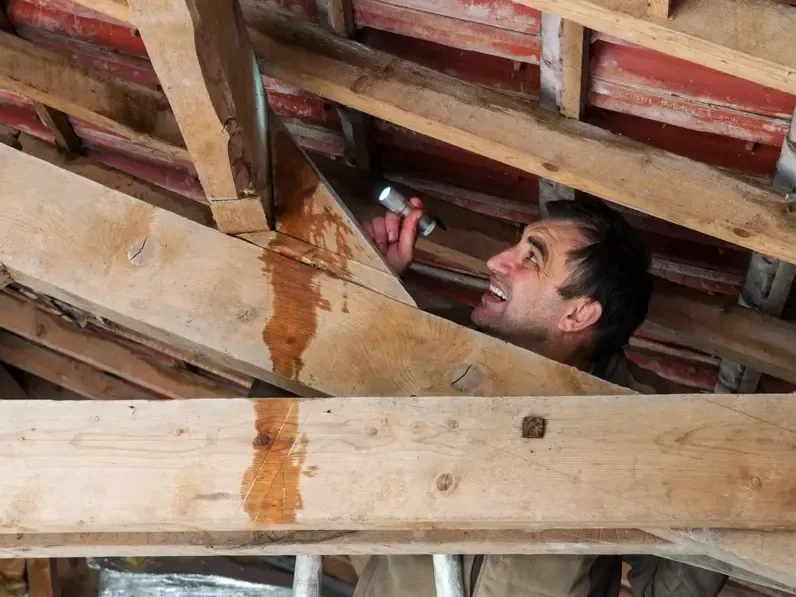
How roof leak water damage is handled
Interior roof leak cleanup evaluates materials beneath the roof entry, including accessible attic components and ceiling finishes. Source repair and drying need coordination so retained layers can be assessed before decorative restoration begins.
Rapid local response
The response team prioritizes active water and asks about safe entry, continuing flow and occupied rooms. A clear description helps the assessment focus on hazards before equipment reaches the wet area.
IICRC S500 drying standard
The drying crew sets material goals against unaffected references, sizes dehumidification to the evaporation load and adjusts airflow as readings change. A dry surface alone never closes the moisture record.
Claim-ready documentation
The mitigation team records the source, affected materials, photographs and daily readings in a room-by-room scope. The insurer reviews that evidence against the policy and makes the coverage decision.
Local water experts
The technician distinguishes plumbing discharge from outside water at the actual building. Different floor assemblies, access restrictions and contents call for different drying methods, even when neighboring rooms share the same leak.
First steps for roof leak water damage
- Protect the space below the stain
A wet ceiling can weaken before its appearance changes dramatically. Occupants should avoid the area beneath sagging material and keep valuable belongings outside the potential fall zone.
- Coordinate the roof inspection
A suitable roofing trade needs to evaluate the exterior entry. The restoration contact benefits from its findings, especially the affected roof area and any protection already installed.
- Identify the attic entry safely
The owner can describe an accessible hatch or shared entry without entering a hazardous attic. Access restrictions should be known before equipment and inspection arrangements are planned.
- Leave staining visible for assessment
Covering the mark with paint or finish material can obscure useful signs of the water route. Photographs and inspection should precede cosmetic work on the affected ceiling.
What does roof leak water damage cost in Lone Tree, CO?
Roof leak restoration costs in Lone Tree depend on attic access, insulation contact and the number of overhead areas affected. The estimate should separate interior cleanup and drying from the roofing repair and later ceiling finish work.
Localized ceiling area
$1,000 to $2,300
- Defined interior stain
- Accessible wet finish
- Limited drying zone
Attic and ceiling assembly
$2,300 to $5,500
- Insulation access decisions
- Wet overhead framing
- Coordinated cavity treatment
Several overhead areas
$5,500 to $9,000+
- Multiple affected bays
- Wider removal scope
- Additional moisture locations
Category, wet square footage, material class and the delay before drying change the scope. The water damage cost calculator gives an estimate only; the inspection establishes the work.
Documentation for your insurance claim
The restoration team assembles timestamped photographs, a moisture map, daily psychrometric logs and a room-by-room scope. Sudden accidental water damage, long-term leakage and outside flooding can receive different treatment. The property owner checks the policy with the insurer; documentation supports review without promising payment for mitigation, access or plumbing repair.
The roof leak water damage process
Connect the roof finding to interior signs
The initial survey uses source information and visible interior damage to locate affected assemblies. Safe access is established before inspecting attic materials or opening a ceiling that may hold water.
Check insulation and finish condition
Each wet layer receives an access and retention decision. The inspection records saturated insulation, damaged ceiling material and retained framing so removal work has a defined purpose and boundary.
Dry through practical access points
Equipment arrangements follow the exposed wet surfaces and cavity layout. Restricted spaces may need further access, while repeat readings show whether the selected approach is reaching the retained material effectively.
Prepare the overhead repair handoff
The completion check brings together source status, drying observations and remaining construction openings. That record helps the owner coordinate roof followup and ceiling reconstruction without confusing cosmetic repair with material recovery.
Inside the roof leak water damage assessment
A roof leak rarely presents a complete map from the room below. Water can follow a framing member or collect above insulation before reaching a ceiling seam. The restoration inspection therefore needs a safe view of the affected assembly, with the visible stain used as an entry point for investigation rather than a precise outline for repairs.
Arrange overhead access around the property
Lyric at RidgeGate is planned to contain condominiums, townhomes and single family residences. The affected property may require coordination over roof access, shared areas or an attic entry. The authorized building contact coordinates roof access, attic entry and permissions for openings inside the affected residence.
- A roof repair location can help narrow the search for wet layers below the entry.
- Wet insulation may obscure the framing and limit how effectively air reaches an affected surface.
- Ceiling seams and wall junctions can reveal travel beyond the first visible interior stain.
Evaluate the layers above the finish
Schweiger Ranch is a designated historic landmark, and Lone Tree Arts Center is a city operated performing arts venue. These places help describe locations across the city; the interior plan still comes from the construction at the affected address. An attic hatch, enclosed slope or skylight well each presents a different route for inspecting trapped moisture.
Insulation, drywall and wood components respond differently to wetting. Their condition and accessibility determine whether removal or retention makes sense. Painting the stain before those decisions are complete can conceal a symptom while leaving moisture above the surface. The scope should explain which openings support inspection, drying or necessary replacement.
An overhead stain needs a clear path from roof findings to interior inspection. Describe the affected room, active dripping and available attic access when arranging the assessment.
(888) 532-8620Discuss the attic and ceiling damageCoordinate source protection with interior drying
A roofing trade handles the exterior defect and appropriate protection. Restoration then needs to know whether the interior is receiving new water. Ongoing readings and observations help distinguish drying progress from renewed entry, particularly when the affected cavity is difficult to see directly.
- Keep people and belongings away from ceilings that show sagging, softness or active dripping.
- Record which attic or ceiling areas were accessed and which remain outside the initial inspection.
- Describe retained wet materials separately from insulation or finishes removed during controlled access work.
Ceiling leak assessment can address the lower assembly when overhead damage extends into an occupied room. The final handoff should identify drying results and remaining finish repairs, allowing roof work and interior reconstruction to proceed with a shared understanding of the damaged areas.
Safe access comes first
The response team assesses electrical contact, unstable ceilings and contaminated water before extraction begins. Occupants keep clear of affected rooms until the hazards have been checked. A plumber isolates an active supply failure; drying follows source control and inspection of the materials beneath the visible damage.
Property owners can review flood safety precautions and EPA indoor air information alongside the onsite assessment.
Roof leak water damage in Lone Tree
Roof related interior assessments serve Lone Tree buildings with varied overhead access. Locations in Lyric at RidgeGate or near Schweiger Ranch help orient the visit, while the actual roof entry, attic arrangement and affected rooms determine the interior restoration scope.
The same service nearby: roof leak water damage in Monument, Castle Pines, Parker.
Related water damage services in Lone Tree



Roof Leak Water Damage questions in Lone Tree, CO
Discuss the wet materials
An overhead stain needs a clear path from roof findings to interior inspection. Describe the affected room, active dripping and available attic access when arranging the assessment.
(888) 532-8620Discuss the attic and ceiling damageCan a small ceiling mark hide more damage?
Water can move above a ceiling before finding a visible exit. Insulation or framing may be wet beyond the mark. Safe access and moisture checks help define the affected assembly before the repair boundary is chosen from the stain alone.
Does restoration include repairing the roof opening?
The scope should state who handles exterior roof repair and who addresses interior water damage. Those tasks need coordination, but they may involve different trades. Clear source information helps the interior team plan access and recognize any renewed entry.
Should wet attic insulation remain in place?
The decision depends on its condition, contamination and effect on access to the wet assembly. Saturated insulation can obstruct inspection or drying. The assessment should explain whether removal is needed and how retained framing will be checked afterward.
Can the stain simply be sealed and painted?
Decorative work belongs after source correction and evaluation of the affected ceiling materials. A coating changes the appearance without resolving trapped moisture. The repair trade should receive the drying findings before preparing the surface for the new finish.
Is entering the attic necessary for the homeowner?
The owner can provide access information without entering the attic. Wet materials, uncertain footing and electrical hazards can make that space unsafe. Inspection should use suitable access methods selected for the actual overhead condition and building layout.
What if dripping resumes during interior drying?
Renewed dripping calls for a source check and reassessment of the wet area. The roofing contact and restoration team should coordinate findings. Equipment may need adjustment after the entry is controlled and any newly affected materials have been identified.
Plan the interior recovery below the roof
Coordinated source repair and material checks help define the access, drying and finish work needed inside the building.
(888) 532-8620Arrange an overhead moisture check