Ceiling Leak Water Damage in Lone Tree
A ceiling bubble needs more than a bucket underneath it. Lone Tree ceiling leak cleanup identifies the water source above, protects the room below and assesses the wet assembly before controlled access or drying begins.
(888) 532-8620Discuss the wet ceiling assembly
How ceiling leak water damage is handled
Ceiling restoration follows water above the visible finish to identify affected insulation, framing and adjoining bays. The work sequence prioritizes safe access, source correction and drying conditions before the ceiling is rebuilt or painted.
Rapid local response
The response team prioritizes active water and asks about safe entry, continuing flow and occupied rooms. A clear description helps the assessment focus on hazards before equipment reaches the wet area.
IICRC S500 drying standard
The drying crew sets material goals against unaffected references, sizes dehumidification to the evaporation load and adjusts airflow as readings change. A dry surface alone never closes the moisture record.
Claim-ready documentation
The mitigation team records the source, affected materials, photographs and daily readings in a room-by-room scope. The insurer reviews that evidence against the policy and makes the coverage decision.
Local water experts
The technician distinguishes plumbing discharge from outside water at the actual building. Different floor assemblies, access restrictions and contents call for different drying methods, even when neighboring rooms share the same leak.
First steps for ceiling leak water damage
- Clear the space below
Nobody should stand beneath a sagging or actively leaking ceiling. Routine activity should move elsewhere until the overhead condition can be assessed safely.
- Notify the upper space contact
When another unit or shared area is above the damage, the building representative coordinates entry. Source access can be essential to controlling continued wetting below.
- Record changes without touching
Photographs from safety can show spreading stains or a growing bulge. Casual puncturing can release water and weakened material unexpectedly into the room.
- Identify affected electrical fixtures
A wet light fitting needs appropriate electrical evaluation. The concern should be reported during intake so the inspection begins with a safe access plan.
What does ceiling leak water damage cost in Lone Tree, CO?
Ceiling leak costs in Lone Tree depend on cavity access, affected insulation and spread into neighboring bays. The estimate should show which overhead layers need removal or drying and distinguish them from final ceiling reconstruction.
Single affected bay
$900 to $1,800
- Focused overhead inspection
- Limited finish opening
- Accessible retained framing
Room ceiling and insulation
$1,800 to $4,500
- Broader insulation contact
- Room protection work
- Expanded drying access
Multiple connected cavities
$4,500 to $8,000+
- Water across bays
- Several inspection openings
- Coordinated progress checks
Category, wet square footage, material class and the delay before drying change the scope. The water damage cost calculator gives an estimate only; the inspection establishes the work.
Documentation for your insurance claim
The restoration team assembles timestamped photographs, a moisture map, daily psychrometric logs and a room-by-room scope. Sudden accidental water damage, long-term leakage and outside flooding can receive different treatment. The property owner checks the policy with the insurer; documentation supports review without promising payment for mitigation, access or plumbing repair.
The ceiling leak water damage process
Pair the stain with source access
The inspection considers the visible ceiling damage and the space above it together. Building contacts coordinate entry while hazard assessment establishes where the lower room can be used safely.
Create controlled inspection access
An opening is selected around the suspected wet cavity and material condition. Removed finishes are documented, and the exposed assembly is checked for insulation contact, water travel and adjoining wet surfaces.
Dry retained overhead materials
Air movement and humidity control target the accessible wet layers. Readings from identified locations help determine whether progress is adequate or whether trapped moisture requires a different access arrangement.
Check readiness for closure
Source status and material readings are brought together before reconstruction. The handoff identifies what was removed, what remains and any additional electrical or finish work that needs coordination with the owner.
Inside the ceiling leak water damage assessment
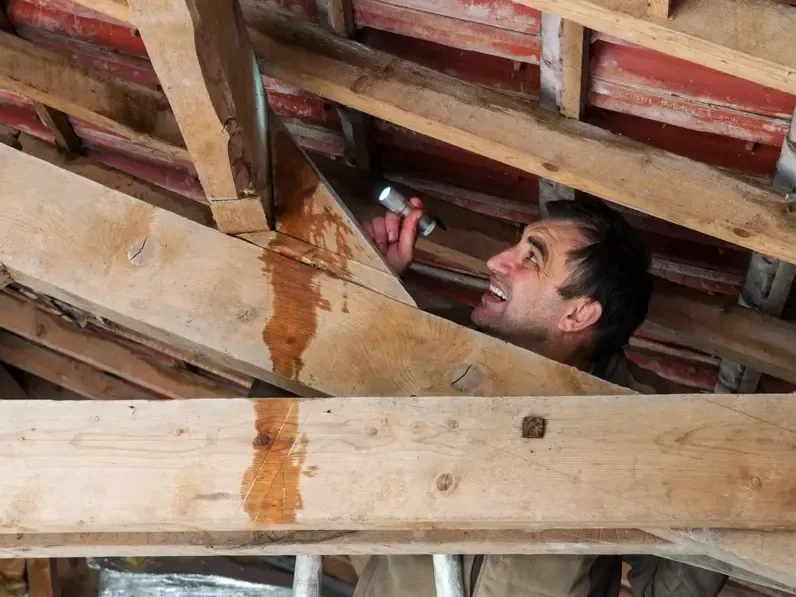
The lowest point of a ceiling is often where water becomes visible, even when the source sits elsewhere above it. Drips, stains and softened seams provide clues to the route. A useful assessment connects those signs to the actual release before choosing where to open the assembly or place drying equipment.
Arrange access on both sides of the ceiling
Lone Tree City Center contains market rate multifamily housing as well as income restricted residential development. If an affected ceiling sits beneath another occupied unit, coordinated entry may be necessary to locate the source. The building contact should identify authorized access and record which spaces have been inspected on each level.
- Protect the floor below weakened ceiling material before controlled opening or contents movement begins.
- Report nearby fixtures and appliances that were operating when the first dripping was noticed.
- Track staining across seams because the visible wet spot may span more than one cavity.
Open for a purpose, then inspect the layers
Central Village Couplet District lies beside and between the eastbound and westbound lanes of RidgeGate Parkway. At an individual property in this area, construction details determine the inspection approach. A finish opening should provide access to the suspected water route while accounting for wiring, fixtures and material condition.
Wet insulation can keep moisture against adjoining surfaces and obscure the extent of contact. Wallboard that has softened or lost integrity needs a different decision from sound framing. The scope should describe those layers separately so the removal boundary follows damage and drying access, instead of becoming an arbitrary rectangle around the stain.
A wet ceiling needs coordinated access and a clear source assessment. Describe the visible change, the room above and any fixtures in the affected area before work is planned.
(888) 532-8620Discuss access above the wet ceilingPlan the repair from the cavity outward
Once the source is corrected, retained materials need a practical drying route. Equipment below a closed ceiling may have limited influence on moisture inside it. Accessible readings help establish whether air is reaching the affected assembly and whether further access is justified.
- Record the ceiling bays inspected and any neighboring area that remains inaccessible during the visit.
- Keep electrical fixture evaluation separate from the moisture assessment when water has contacted powered components.
- Give the reconstruction trade drying findings before insulation and new finishes conceal the inspected cavity.
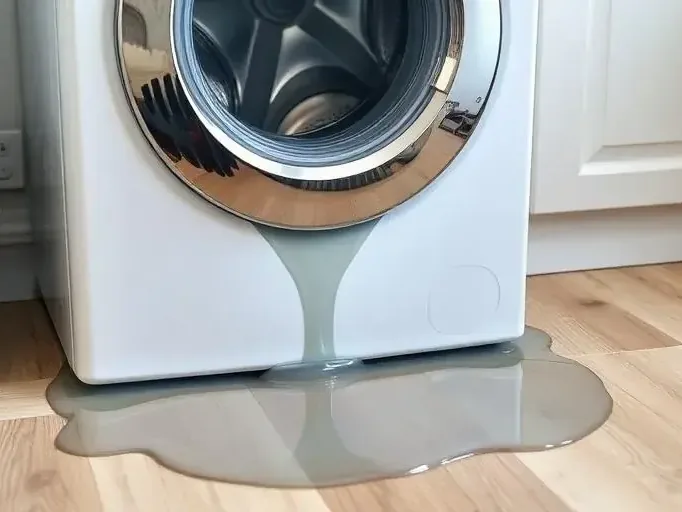
Where the release originated at an appliance above, appliance leak cleanup may address the upper floor as well. Joining the records from both levels helps prevent the ceiling repair from overlooking damp material around the original source.
Safe access comes first
The response team assesses electrical contact, unstable ceilings and contaminated water before extraction begins. Occupants keep clear of affected rooms until the hazards have been checked. A plumber isolates an active supply failure; drying follows source control and inspection of the materials beneath the visible damage.
Property owners can review flood safety precautions and EPA indoor air information alongside the onsite assessment.
Ceiling leak water damage in Lone Tree
Ceiling damage assessments in Lone Tree consider access above and below the affected room. Lone Tree City Center and Central Village Couplet District provide location references, while shared occupancy, ceiling construction and the source position determine the practical inspection sequence.
The same service nearby: ceiling leak water damage in Monument, Castle Pines, Parker.
Related water damage services in Lone Tree

Ceiling Leak Water Damage questions in Lone Tree, CO
Discuss the wet materials
A wet ceiling needs coordinated access and a clear source assessment. Describe the visible change, the room above and any fixtures in the affected area before work is planned.
(888) 532-8620Discuss access above the wet ceilingShould a ceiling bubble be punctured to drain it?
A loaded ceiling can release water and weakened material unexpectedly. Occupants should stay clear rather than puncture it. Controlled access requires an assessment of the overhead condition, nearby electrical components and the protection needed for the space below.
Why inspect the room above the stain?
The stain may be only the point where water found an exit. Inspection above can identify a fixture, appliance or other source and reveal wet floor materials. That information helps connect the upper loss with the ceiling damage below.
Can a ceiling dry with the finish intact?
Some retained assemblies can dry with suitable access, but a closed cavity may restrict air movement. Moisture readings and layer conditions determine the approach. The scope should explain whether an opening is necessary and what it allows the crew to inspect or dry.
Does discoloration mean the ceiling must be replaced?
Color alone is not the removal criterion. Softness, loss of integrity, contamination and access requirements all matter. A material assessment distinguishes a finish that may remain from a damaged layer that needs removal before the cavity can be addressed.
What happens when the source is in another unit?
The authorized property contact coordinates access with the affected occupants. Inspection records should identify the areas checked on both levels and any restrictions. That coordination helps source repair and restoration proceed without overlooking the wet assembly between the rooms.
When can the room be redecorated?
Decorating follows source correction, drying check and necessary reconstruction. The repair contractor needs the material findings before new insulation or finish layers are installed. A freshly painted surface should be the final appearance step after the underlying condition is addressed.
Resolve the cavity before restoring the finish
A defined overhead scope connects source repair, controlled openings and moisture checks with the final ceiling reconstruction.
(888) 532-8620Arrange the ceiling cavity assessment