Ceiling Leak Water Damage in Parker
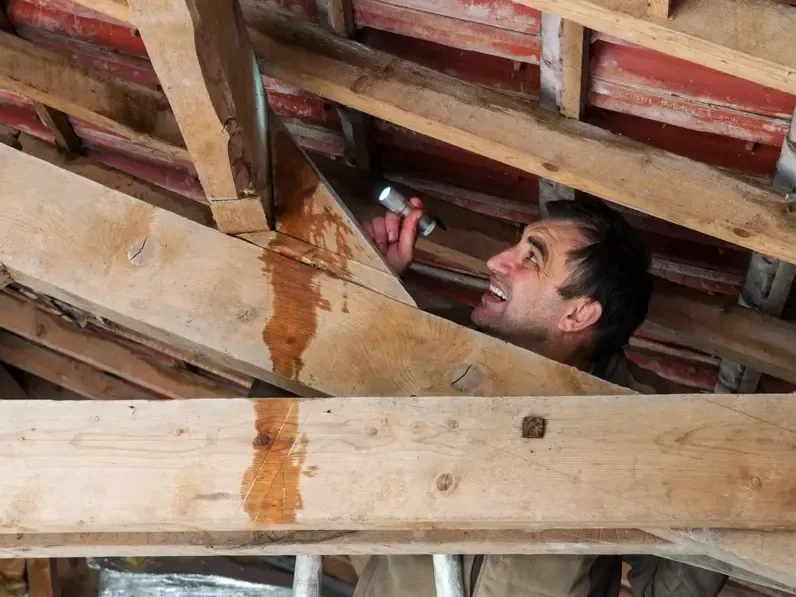
A dark patch overhead needs a source check before a cosmetic repair. The inspection considers plumbing above the room, wet insulation and the stability of the ceiling finish while keeping occupants clear of weakened areas.
(888) 532-8620Discuss the stained ceiling area
How ceiling leak water damage is handled
Ceiling leak restoration in Parker addresses the wet assembly above the room as well as the visible finish. Source identification and safe access determine how insulation, framing and damaged drywall can be evaluated.
Rapid local response
The response team prioritizes active water and asks about safe entry, continuing flow and occupied rooms. A clear description helps the assessment focus on hazards before equipment reaches the wet area.
IICRC S500 drying standard
The drying crew sets material goals against unaffected references, sizes dehumidification to the evaporation load and adjusts airflow as readings change. A dry surface alone never closes the moisture record.
Claim-ready documentation
The mitigation team records the source, affected materials, photographs and daily readings in a room-by-room scope. The insurer reviews that evidence against the policy and makes the coverage decision.
Local water experts
The technician distinguishes plumbing discharge from outside water at the actual building. Different floor assemblies, access restrictions and contents call for different drying methods, even when neighboring rooms share the same leak.
First steps for ceiling leak water damage
- Leave the weakened area clear
Occupants should avoid the space beneath a sagging finish. Objects can remain in place until safe access is assessed rather than risking entry to move them immediately.
- Observe from a dry position
Note the stain shape, dripping and any change during fixture use above. Photographs from outside the affected area preserve useful details without disturbing the ceiling or electrical fittings.
- Describe the room above
The assessment benefits from knowing whether plumbing fixtures or another occupied floor lie overhead. Those details help direct source investigation alongside checks of the visible ceiling damage.
- Coordinate temporary room restrictions
A clear route and protected furnishings support controlled access work. The plan should explain which areas need to stay unused while damaged ceiling material and concealed moisture are evaluated.
What does ceiling leak water damage cost in Parker, CO?
Ceiling leak cleanup costs in Parker depend on safe overhead access, insulation condition and moisture across connected cavities. The estimate should separate source repair, drying openings and ceiling reconstruction so each stage has a clear scope.
Single affected bay
$900 to $1,800
- Localized ceiling inspection
- Limited access opening
- Focused material checks
Room ceiling and insulation
$1,800 to $4,500
- Insulation removal decisions
- Broader overhead exposure
- Framing drying needs
Multiple connected cavities
$4,500 to $8,000+
- Adjoining bay assessment
- Expanded finish removal
- Multiple drying locations
Category, wet square footage, material class and the delay before drying change the scope. The water damage cost calculator gives an estimate only; the inspection establishes the work.
Documentation for your insurance claim
The restoration team assembles timestamped photographs, a moisture map, daily psychrometric logs and a room-by-room scope. Sudden accidental water damage, long-term leakage and outside flooding can receive different treatment. The property owner checks the policy with the insurer; documentation supports review without promising payment for mitigation, access or plumbing repair.
The ceiling leak water damage process
Assess the overhead condition
The inspection evaluates the visible ceiling and its source clues while establishing safe room access. Signs of weakened finish or electrical contact influence how the concealed assembly can be examined.
Open only with a purpose
Access is planned to evaluate or remove affected materials. The record explains why particular ceiling sections or insulation need attention, helping connect the opening with source work and drying requirements.
Measure above the finish
Exposed framing and neighboring materials are checked for moisture. Equipment placement follows that wet boundary, with further assessment where a connected bay retains water beyond the initial visible stain.
Prepare the ceiling repair scope
The final findings identify retained materials, removed finishes and remaining work. Source correction and moisture readiness should be clear before insulation and drywall are replaced over the affected overhead assembly.
Inside the ceiling leak water damage assessment
A ceiling stain changes the way a room can be used, especially when water is collecting above the finish. A bucket beneath a drip can protect a small surface area, but it does not reveal the condition of the ceiling assembly. The assessment starts with safe access and the source above the damaged room.
Read the room before opening the ceiling
In a home near Mainstreet, an upstairs fixture, concealed pipe or roof path could require different source work. The visible stain alone does not select that repair. Changes during fixture use, the position of plumbing above and accessible moisture readings help direct the inspection without treating every overhead leak alike.
- Keep furniture and routine foot traffic clear of sagging drywall or other signs of overhead instability.
- Document staining around light fittings without touching electrical components or reaching into the wet ceiling.
- Inspect adjoining ceiling bays where moisture may have moved beyond the visible discolored patch.
Properties around Preservation Park and Antelope Heights need the same room-specific approach. An occupied bedroom, hallway or kitchen changes access planning, but each ceiling assembly must be evaluated on its own condition.
Plan the opening and repair together
Parker requires permits for dry-walling and for plumbing alterations or upgrades. A ceiling repair may involve those separate tasks after water removal. The written scope should identify which finish needs removal for safety or drying, what source work is planned and which remaining materials need moisture checks.
- Wet insulation may need access even when the lower painted face is still largely intact.
- Framing readings help determine where drying equipment should work after the source has been addressed.
- An opening should remain accessible until source checks and the material assessment support finish replacement.
Describe the stain, any sagging and what lies above the room. Those observations help organize a safe assessment of the ceiling finish and the concealed water path.
(888) 532-8620Discuss the overhead moisture concernClose the ceiling only after the hidden work
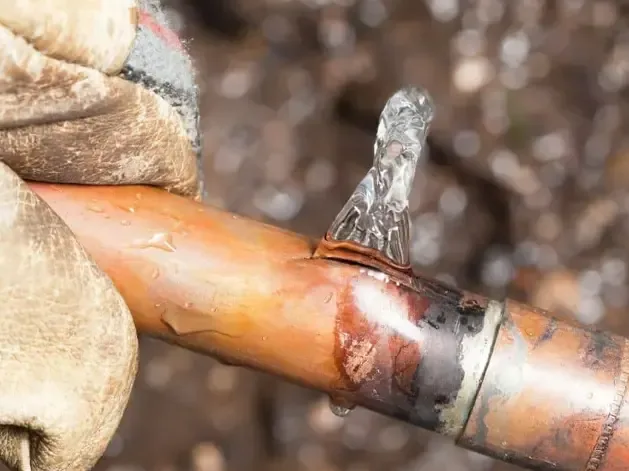
Surface discoloration is a repair symptom, while retained moisture is a drying problem. Structural drying addresses the remaining framing and connected materials. If the source is a ruptured pipe, burst pipe cleanup also follows the release into walls and lower rooms that may need assessment.
The handoff should show how the source was addressed, which sections were opened and what still needs reconstruction. Ceiling finish replacement then follows a defined moisture assessment instead of simply covering the stain. The room can be planned around that sequence while the affected overhead area remains restricted as necessary.
Safe access comes first
The response team assesses electrical contact, unstable ceilings and contaminated water before extraction begins. Occupants keep clear of affected rooms until the hazards have been checked. A plumber isolates an active supply failure; drying follows source control and inspection of the materials beneath the visible damage.
Property owners can review flood safety precautions and EPA indoor air information alongside the onsite assessment.
Ceiling leak water damage in Parker
Parker ceiling damage assessments cover the property's actual overhead construction and source symptoms. Mainstreet, Preservation Park and Antelope Heights help describe the location, while room use and access above the ceiling determine the practical inspection and restoration plan.
The same service nearby: ceiling leak water damage in Monument, Lone Tree, Castle Pines.
Related water damage services in Parker

Ceiling Leak Water Damage questions in Parker, CO
Discuss the wet materials
Describe the stain, any sagging and what lies above the room. Those observations help organize a safe assessment of the ceiling finish and the concealed water path.
(888) 532-8620Discuss the overhead moisture concernDoes the stain reveal how much ceiling is wet?
A stain marks visible change at the finish, but water can extend into adjoining bays or insulation above it. The inspection uses the source clues and material readings to establish that larger boundary before selecting access openings and a drying arrangement.
Can a light fitting near the stain be used?
Wet or affected electrical components need appropriate professional assessment. Occupants should avoid touching the fitting or entering a hazardous wet area to operate equipment. The cleanup plan should account for electrical concerns before work proceeds beneath or inside the damaged ceiling.
Why ask about plumbing above the room?
A fixture or supply connection overhead can help direct the source investigation. Roof entry may require a different repair path. Knowing the layout above the stain allows the inspection to connect visible damage with possible sources without opening unrelated areas unnecessarily.
Will drying remove the need for ceiling repair?
Drying addresses retained moisture, but a damaged finish may still need replacement. Sagging drywall, failed joints or affected insulation require separate material decisions. The estimate should identify what is being dried and what remains part of the reconstruction scope afterward.
Are town permits relevant to replacing drywall?
Parker lists dry-walling among alterations requiring permits. Plumbing alterations and upgrades also require permits. Those requirements should be coordinated with the repair work following the moisture assessment, with the cleanup and reconstruction portions of the project clearly described in the scope.
What records help with the repair handoff?
Photographs of the original stain, access openings and exposed materials help explain the work. Moisture readings and source repair information show the condition before closure. The handoff should also list any insulation or finish replacement still needed in the affected ceiling area.
Make the hidden ceiling work visible
A documented sequence connects source investigation, safe access, material drying and replacement of the damaged overhead finish.
(888) 532-8620Plan a ceiling damage inspection