Crawl Space Water Removal in Parker
Water beneath a floor needs an access assessment before anyone enters the space. The cleanup plan considers standing water, exposed equipment and wet insulation, then selects removal and drying methods suited to the actual enclosure.
(888) 532-8620Discuss water below the floor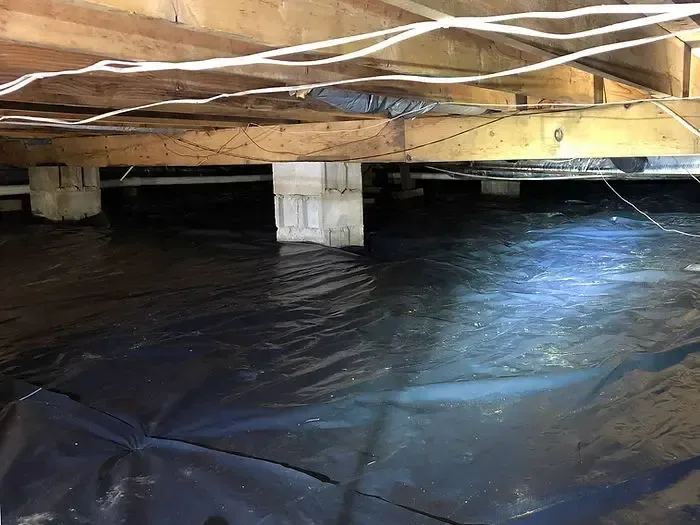
How crawl space water removal is handled
Crawl space restoration in Parker applies to properties with an existing below-floor enclosure. The inspection establishes the source, water condition and access limits before addressing standing water and the materials that remain wet overhead.
Rapid local response
The response team prioritizes active water and asks about safe entry, continuing flow and occupied rooms. A clear description helps the assessment focus on hazards before equipment reaches the wet area.
IICRC S500 drying standard
The drying crew sets material goals against unaffected references, sizes dehumidification to the evaporation load and adjusts airflow as readings change. A dry surface alone never closes the moisture record.
Claim-ready documentation
The mitigation team records the source, affected materials, photographs and daily readings in a room-by-room scope. The insurer reviews that evidence against the policy and makes the coverage decision.
Local water experts
The technician distinguishes plumbing discharge from outside water at the actual building. Different floor assemblies, access restrictions and contents call for different drying methods, even when neighboring rooms share the same leak.
First steps for crawl space water removal
- Keep the opening accessible
Occupants can identify the opening from outside. Standing water or uncertain equipment conditions mean entry and close inspection should wait for an appropriate professional assessment.
- Describe changes above and below
Notes about damp odors, floor changes or visible water at the opening can help establish the inspection priorities. The source still needs direct assessment before a removal method is chosen.
- Identify plumbing and exterior clues
Report an apparent pipe leak or water entry during rain or melting snow. Those observations help organize the assessment without treating an outdoor source and indoor plumbing release as identical.
- Plan the removal access route
Equipment and affected material need a workable path. The inspection considers the opening and occupied rooms so contaminated water or debris stays away from dry living areas.
What does crawl space water removal cost in Parker, CO?
Crawl space water removal costs in Parker reflect access restrictions, water condition and the framing or insulation affected. The scope should identify pumping, material handling and drying separately from correction of the source that allowed water below the floor.
Accessible localized water
$1,500 to $2,800
- Defined pumping area
- Accessible inspection opening
- Limited material exposure
Wet framing and insulation
$2,800 to $6,000
- Overhead moisture checks
- Insulation handling decisions
- Targeted enclosure drying
Restricted or contaminated space
$6,000 to $10,000+
- Complex entry planning
- Controlled debris handling
- Expanded cleaning requirements
Category, wet square footage, material class and the delay before drying change the scope. The water damage cost calculator gives an estimate only; the inspection establishes the work.
Documentation for your insurance claim
The restoration team assembles timestamped photographs, a moisture map, daily psychrometric logs and a room-by-room scope. Sudden accidental water damage, long-term leakage and outside flooding can receive different treatment. The property owner checks the policy with the insurer; documentation supports review without promising payment for mitigation, access or plumbing repair.
The crawl space water removal process
Assess the enclosure from its access
The team evaluates the opening, visible water and potential entry hazards before selecting a work method. Source clues and the arrangement beneath the floor help determine how the full space can be inspected.
Remove accessible standing water
Pumping is planned for the pool and the working route. Water condition influences handling, while newly exposed surfaces allow a closer look at where moisture reached framing, insulation or the occupied floor above.
Evaluate concealed overhead materials
Insulation can obstruct inspection of damp framing. The assessment identifies selective removal needs and records the condition of the remaining structure so the drying arrangement can address more than the ground surface alone.
Assess moisture and recurring entry
Follow-up readings assess the materials targeted by drying. The handoff also identifies source correction and any replacement work, keeping restoration beneath the floor connected with the reason water accumulated in the enclosure.
Inside the crawl space water removal assessment
A wet crawl space is difficult to judge through a small opening. The visible pool may extend behind piers or stored material, while insulation above it can conceal damp framing. Before removal begins, the assessment needs a practical way to inspect the enclosure and identify conditions that make entry unsafe for occupants.
Establish the source before arranging pumping
Parker describes stormwater runoff as rain and melting snow or ice. Water found beneath a home could also involve a plumbing release, so the inspection follows the actual entry evidence. At a property in Antelope Heights, the source and enclosure layout determine the response rather than any assumption about neighborhood foundations.
- Keep occupants outside the space when standing water, electrical equipment or uncertain structural conditions are present.
- Record whether the pool is growing and whether plumbing use or outdoor conditions appear connected.
- Identify the access opening and restrictions so removal equipment can be planned around the existing enclosure.
Cherry Creek is part of the town's water setting, and Preservation Park is a local landmark. A crawl space assessment at any nearby property still requires direct inspection of the source, soil surface and materials above the water.
Look upward after accessible water is removed
Pumping exposes more of the space, but wet insulation and framing can remain above the cleared pool. The lower side of the occupied floor needs attention when moisture reached it. Contaminated insulation, damaged coverings or restricted access can change the material removal plan before drying equipment is arranged.
- Check framing and the underside of the floor near visible water paths or affected plumbing.
- Evaluate insulation condition separately from the timber or other material it may be concealing.
- Keep removal routes controlled when dirty water or affected material must pass through an occupied building.
Describe the crawl space opening, visible water and any suspected source. Access restrictions and affected insulation help establish what needs inspection before pumping and material drying can be planned.
(888) 532-8620Discuss the crawl space conditionsMatch drying to the enclosed space
Air movement without an assessment of moisture and access can leave concealed areas untouched. Structural drying should address the actual framing and remaining surfaces. If wastewater is involved, sewage cleanup changes the handling and cleaning sequence before ordinary drying decisions can proceed.
The work record should explain the source status, removed water and materials, and the condition left beneath the floor. Recurring entry needs separate correction so the completed cleanup is not followed by another release into the same enclosure.
Safe access comes first
The response team assesses electrical contact, unstable ceilings and contaminated water before extraction begins. Occupants keep clear of affected rooms until the hazards have been checked. A plumber isolates an active supply failure; drying follows source control and inspection of the materials beneath the visible damage.
Property owners can review flood safety precautions and EPA indoor air information alongside the onsite assessment.
Crawl space water removal in Parker
Parker crawl space work begins by confirming the property has the enclosure described. Antelope Heights, Preservation Park and Cherry Creek help place a request in town, while the actual access opening, source and below-floor conditions determine the removal plan.
The same service nearby: crawl space water removal in Monument, Lone Tree, Castle Pines.
Related water damage services in Parker



Crawl Space Water Removal questions in Parker, CO
Discuss the wet materials
Describe the crawl space opening, visible water and any suspected source. Access restrictions and affected insulation help establish what needs inspection before pumping and material drying can be planned.
(888) 532-8620Discuss the crawl space conditionsShould an occupant crawl in to inspect the pool?
Standing water, electrical equipment and restricted access can make entry unsafe. The access location and visible symptoms can be described from outside. An appropriate assessment should establish how the enclosure can be inspected before anyone enters to remove water or wet materials.
Does pumping finish the crawl space work?
Water removal exposes the enclosure but may leave moisture in insulation, framing or the underside of the floor. Those materials need assessment afterward. A complete scope identifies what remains wet and how drying or selective removal will address it after pumping.
Can runoff and plumbing leaks need different handling?
The source affects the water condition and the work needed to stop entry. Rain or snowmelt runoff can carry debris, while a pipe release needs plumbing correction. The inspection should establish the actual source and material contact before choosing the cleanup sequence.
Why inspect insulation above the water?
Insulation can become wet or conceal framing that absorbed moisture. Its condition affects access and drying. The assessment should distinguish the insulation decision from the condition of the supporting structure rather than assuming removal of the pool has dried everything overhead.
What if sewage reached the space?
Wastewater changes containment, disposal and cleaning requirements. Occupants should stay clear of the affected enclosure. Contaminated materials need evaluation before a drying setup circulates air, and the source problem should be coordinated so the area is not recontaminated during recovery.
What belongs in the final assessment?
The record should describe the source, water removed, affected materials and drying readings. It should also identify insulation replacement or other repair work still needed. Recurring entry requires separate correction, which should remain visible in the handoff after the enclosure cleanup.
Assess the enclosure beneath the home
The removal scope should account for standing water, overhead materials and the source that brought moisture below the occupied floor.
(888) 532-8620Plan below-floor water removal