Burst Pipe Water Damage in Lone Tree
The loud release may stop at the valve while water keeps moving inside the building. Lone Tree burst pipe restoration follows that remaining water through floor junctions, wall cavities and affected contents.
(888) 532-8620Discuss the split pipe damage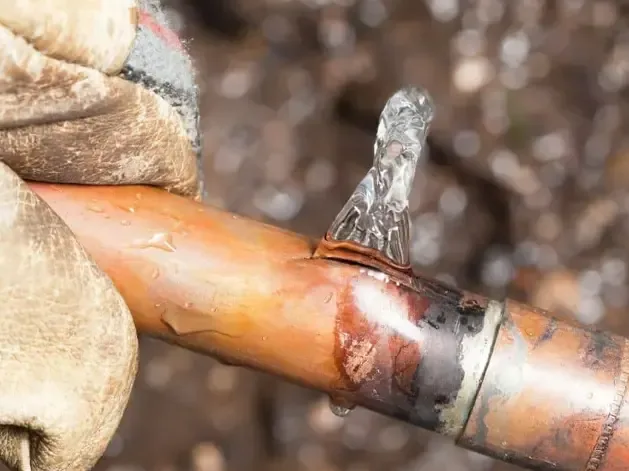
How burst pipe water damage is handled
Burst pipe cleanup begins after safe source control and evaluates the released water's route. Extraction and selective access address wet finishes while moisture readings identify the retained materials needing further drying.
Rapid local response
The response team prioritizes active water and asks about safe entry, continuing flow and occupied rooms. A clear description helps the assessment focus on hazards before equipment reaches the wet area.
IICRC S500 drying standard
The drying crew sets material goals against unaffected references, sizes dehumidification to the evaporation load and adjusts airflow as readings change. A dry surface alone never closes the moisture record.
Claim-ready documentation
The mitigation team records the source, affected materials, photographs and daily readings in a room-by-room scope. The insurer reviews that evidence against the policy and makes the coverage decision.
Local water experts
The technician distinguishes plumbing discharge from outside water at the actual building. Different floor assemblies, access restrictions and contents call for different drying methods, even when neighboring rooms share the same leak.
First steps for burst pipe water damage
- Reach only a safe shutoff
A valve outside the wet area may allow source isolation. Nobody should enter standing water or reach past electrical hazards to attempt an emergency plumbing adjustment.
- Describe the release location
The affected level and visible pipe opening help the assessment begin. Water below that location should also be reported, even if the lower room appears only lightly damp.
- Avoid opening a loaded ceiling
A ceiling holding water can fail unexpectedly. Occupants should keep clear beneath sagging material and leave controlled access to people equipped to assess the overhead condition.
- Keep repair findings available
The plumbing repair description can explain the original release path. Sharing it with the restoration assessment helps connect source work with the rooms and cavities needing moisture checks.
What does burst pipe water damage cost in Lone Tree, CO?
Burst pipe restoration costs in Lone Tree depend on the water's reach, cavity access and affected levels. The estimate should distinguish a contained room loss from spread into adjoining walls or rooms below the break.
Contained room loss
$1,200 to $2,800
- Accessible release area
- Limited wet finishes
- Focused extraction work
Walls and adjoining rooms
$2,800 to $6,500
- Connected cavity spread
- Selective wall access
- Broader drying arrangement
Several floors affected
$6,500 to $12,000+
- Vertical water travel
- Multiple material assemblies
- Expanded progress recording
Category, wet square footage, material class and the delay before drying change the scope. The water damage cost calculator gives an estimate only; the inspection establishes the work.
Documentation for your insurance claim
The restoration team assembles timestamped photographs, a moisture map, daily psychrometric logs and a room-by-room scope. Sudden accidental water damage, long-term leakage and outside flooding can receive different treatment. The property owner checks the policy with the insurer; documentation supports review without promising payment for mitigation, access or plumbing repair.
The burst pipe water damage process
Reconstruct the release path
The assessment links the break to observed wet rooms and lower levels. Moisture checks then test likely connections so the initial scope follows the water through the actual building layout.
Remove water and failed finishes
Accessible liquid is recovered, and damaged materials receive retention decisions. Targeted openings expose trapped water or saturated insulation while protecting retained assemblies that can still be dried effectively.
Treat each wet cavity deliberately
Airflow and humidity control are arranged around the exposed materials. Readings in the affected bays help determine whether the equipment reaches the remaining moisture or whether further access needs consideration.
Close with a repair sequence
The drying check records material conditions and outstanding construction work. The owner receives a distinction between the completed source repair, restoration results and the openings or finishes awaiting reconstruction.
Inside the burst pipe water damage assessment
A burst pipe can wet materials in a different room from the visible break. Pressurized water may enter an enclosed bay, descend along framing or emerge at a low floor junction. Once the supply is isolated, the restoration assessment follows those pathways rather than treating the repaired fitting as the full damage boundary.
Use the shutoff as the start of assessment
RidgeGate West is close to fully developed, while RidgeGate East contains planned growth areas. A property's location helps arrange access, but the inspection still needs the actual pipe location and building layout. The cleanup record should establish which rooms were wet when the release stopped and whether water continued draining from cavities afterward.
- Water emerging beneath trim may have traveled through an enclosed wall before reaching the floor.
- A ceiling below the break can collect liquid even after the visible spray has ended.
- Insulation in the release path may need access because it conceals the adjoining wet framing.
Choose access around the water route
Opening every surface is unnecessary when the damage can be defined more precisely. Moisture readings and the condition of finishes help target the affected bays. Damaged wallboard, wet insulation and retained framing need separate decisions. An access opening should provide useful inspection or drying reach, with its purpose recorded before reconstruction begins.
Near Lincoln Avenue, as elsewhere in the city, a shared entrance or occupied neighboring room can change the work route. Hoses and removed materials should pass through a controlled path. Keeping usable areas organized also makes it easier to recognize any water that continues to appear after the source repair.
A stopped pipe still leaves the water route to assess. Describe the break, the rooms below it and any surfaces that continue dripping after the supply was isolated.
(888) 532-8620Discuss water beyond the pipe breakKeep pipe repair distinct from material recovery
A sound replacement fitting does not remove water already absorbed by the building. Water extraction addresses accessible liquid, while drying measurements track retained materials. The restoration record connects those steps without treating them as interchangeable tasks.
- Note the plumber's repair location so the moisture map can be understood during later work.
- Compare affected assemblies with suitable unaffected materials when establishing the drying target.
- List openings awaiting repair separately from areas still requiring access or active drying.
That separation gives the owner a clearer sequence: source correction, water recovery, material assessment and the final repair handoff. Each stage answers a different question about the room's remaining condition.
Safe access comes first
The response team assesses electrical contact, unstable ceilings and contaminated water before extraction begins. Occupants keep clear of affected rooms until the hazards have been checked. A plumber isolates an active supply failure; drying follows source control and inspection of the materials beneath the visible damage.
Property owners can review flood safety precautions and EPA indoor air information alongside the onsite assessment.
Burst pipe water damage in Lone Tree
Burst pipe assessments serve Lone Tree properties across established and developing areas. RidgeGate West, RidgeGate East and the Lincoln Avenue corridor help locate the loss, while building access and the affected levels determine how the inspection and equipment placement proceed.
The same service nearby: burst pipe water damage in Monument, Castle Pines, Parker.
Related water damage services in Lone Tree



Burst Pipe Water Damage questions in Lone Tree, CO
Discuss the wet materials
A stopped pipe still leaves the water route to assess. Describe the break, the rooms below it and any surfaces that continue dripping after the supply was isolated.
(888) 532-8620Discuss water beyond the pipe breakWhy is water appearing after the valve is closed?
Water already inside cavities can keep draining toward lower openings after supply isolation. Continued moisture still needs evaluation to distinguish stored water from an unresolved source. The assessment follows the release path and coordinates any remaining source questions with the plumbing trade.
Does the room below need an inspection?
A room below the break may receive water through ceiling cavities or wall junctions. Inspection depends on the release location and observed conditions. Moisture checks can help define whether the lower assembly was affected even when its visible stain is small.
Can the repaired wall be closed immediately?
The surrounding materials should be assessed before closure. A repaired pipe may sit beside wet insulation or framing that still needs access. The drying record helps the reconstruction trade understand which openings can be restored and which areas remain under evaluation.
Will every wet wall need demolition?
The water condition, material integrity and ability to reach trapped moisture affect removal decisions. Some assemblies can remain with suitable access and drying, while damaged layers require removal. The scope should explain the choice for each affected part of the wall.
What if the pipe broke while nobody was home?
The visible damage and available timeline inform the assessment. The restoration plan should examine the actual spread and condition rather than assume a particular release duration. Photographs, shutoff information and repair findings help describe what is known about the event.
Can furnishings block the moisture inspection?
Large furniture can hide wet floor edges or prevent readings at a wall base. A contents plan identifies items needing movement or protection. Safe access to the affected assembly is necessary before the inspection can define its full wet boundary.
Plan recovery around the release path
A room by room scope connects the plumbing repair with extraction, cavity access and the drying of retained materials.
(888) 532-8620Arrange the post-break moisture assessment