Water Heater Leak Cleanup in Parker
Water beside a heater can disappear beneath a partition while the visible puddle remains small. Cleanup checks that concealed spread and separates the wet building materials from the plumbing work needed to repair or replace equipment.
(888) 532-8620Discuss water around the heater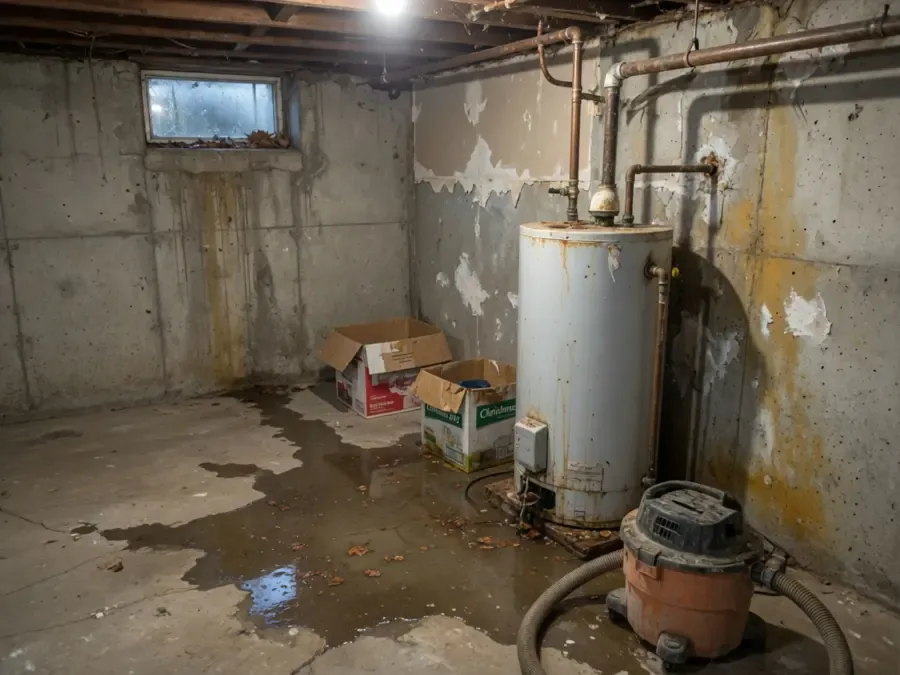
How water heater leak cleanup is handled
Parker water heater cleanup follows escaped water through the utility area and adjoining finishes. A source assessment, safe equipment access and material readings establish what needs extraction, drying or removal after the leak.
Rapid local response
The response team prioritizes active water and asks about safe entry, continuing flow and occupied rooms. A clear description helps the assessment focus on hazards before equipment reaches the wet area.
IICRC S500 drying standard
The drying crew sets material goals against unaffected references, sizes dehumidification to the evaporation load and adjusts airflow as readings change. A dry surface alone never closes the moisture record.
Claim-ready documentation
The mitigation team records the source, affected materials, photographs and daily readings in a room-by-room scope. The insurer reviews that evidence against the policy and makes the coverage decision.
Local water experts
The technician distinguishes plumbing discharge from outside water at the actual building. Different floor assemblies, access restrictions and contents call for different drying methods, even when neighboring rooms share the same leak.
First steps for water heater leak cleanup
- Keep equipment hazards separate
Occupants should avoid wet electrical components and uncertain equipment conditions. The appropriate professional should address safe isolation before anyone works closely around a leaking heater or its connections.
- Describe the pool and its direction
A note about the first wet edge and adjoining doorway helps explain the spread. Photographs from a dry position can document tank-area conditions before equipment is moved.
- Check belongings without spreading water
Move dry stored items only from a safe approach. Keep affected belongings identifiable for assessment instead of placing them against unaffected walls or floor finishes.
- Coordinate replacement with material access
A planned replacement still requires assessment of wet surrounding finishes. Preserve access to the affected floor and partition until the separate cleanup scope is clear.
What does water heater leak cleanup cost in Parker, CO?
Water heater cleanup in Parker is priced around escaped water, affected finishes and access near the equipment. The restoration scope should distinguish extraction and drying from tank replacement, plumbing changes and reconstruction of damaged wall or floor materials.
Contained tank-area spill
$700 to $1,500
- Accessible surrounding floor
- Limited edge moisture
- Focused extraction work
Walls and adjoining flooring
$1,500 to $3,500
- Wet partition inspection
- Adjacent finish assessment
- Broader drying setup
Concealed or extended spread
$3,500 to $6,500+
- Hidden cavity access
- Several affected materials
- Expanded monitoring needs
Category, wet square footage, material class and the delay before drying change the scope. The water damage cost calculator gives an estimate only; the inspection establishes the work.
Documentation for your insurance claim
The restoration team assembles timestamped photographs, a moisture map, daily psychrometric logs and a room-by-room scope. Sudden accidental water damage, long-term leakage and outside flooding can receive different treatment. The property owner checks the policy with the insurer; documentation supports review without promising payment for mitigation, access or plumbing repair.
The water heater leak cleanup process
Establish equipment and water status
The assessment records whether the release is active and what source work is underway. Safe access around the heater is coordinated before the team evaluates the adjacent building materials and contents.
Extract across the spill route
Accessible water is removed from the utility area and any connected room. The inspection follows thresholds and partition edges to find absorbed moisture that remains beyond the original tank-side puddle.
Evaluate confined wet materials
Heater closets and narrow gaps can restrict drying access. Readings and material condition determine whether trim, insulation or other finishes need selective removal to expose the affected assembly for further work.
Align drying with equipment replacement
The final assessment keeps tank replacement and building recovery connected without merging their scopes. Remaining moisture, removed finishes and repair needs should be documented before new equipment or reconstruction limits access again.
Inside the water heater leak cleanup assessment
The tank footprint is a useful starting point, but it rarely defines the complete inspection area. Water can move through a utility room doorway, beneath a partition or into stored belongings before it becomes obvious farther away. The cleanup scope follows those routes while a separate equipment assessment identifies the cause of the release.
Do not let replacement hide the wet area
Parker requires permits for water heater replacements. Arranging new equipment should include coordination of that requirement and a look at the materials around the old tank. Setting a replacement into place does not address moisture that reached the floor edge, adjoining wall or contents during the leak.
- Check the floor beneath and around the equipment where access is available after appropriate source isolation.
- Evaluate wall bases beside the tank, including the opposite side of an adjoining finished partition.
- Identify wet stored items separately so their condition remains clear during equipment and cleanup work.
In Antelope Heights, the arrangement of the individual utility area determines access. A confined heater closet and an open room call for different work routes even when the visible amount of escaped water looks similar.
Separate escaped water from discolored supply water
Parker Water & Sanitation District advises avoiding hot water during a discolored-water incident and explains that minerals can settle in a water heater. That supply condition is different from water leaking onto the floor. A call about tank-area damage should describe the actual release, visible moisture and any equipment work already arranged.
- Record where the first puddle appeared and whether water is still collecting around the equipment.
- Keep electrical or fuel equipment concerns with the appropriate professional before approaching the wet tank area.
- Measure adjoining finishes after extraction rather than assuming a dry utility floor ends the loss.
Describe the tank location, nearby partitions and where escaped water collected. Include any replacement work already planned so the material assessment can preserve useful access around the equipment.
(888) 532-8620Discuss the tank area spillInspect the adjoining room before closing repairs
Near Mainstreet or Preservation Park, the property layout remains the deciding factor for concealed spread. Water extraction clears accessible pooling, and structural drying addresses retained moisture. The record should show whether a neighboring room, cabinet base or floor covering also needs attention.
The owner should receive distinct descriptions of equipment replacement and interior restoration. That separation makes it easier to coordinate access while ensuring wet wall material is evaluated before a new finish or appliance conceals the affected area.
Safe access comes first
The response team assesses electrical contact, unstable ceilings and contaminated water before extraction begins. Occupants keep clear of affected rooms until the hazards have been checked. A plumber isolates an active supply failure; drying follows source control and inspection of the materials beneath the visible damage.
Property owners can review flood safety precautions and EPA indoor air information alongside the onsite assessment.
Water heater leak cleanup in Parker
Local water heater damage requests should identify the property, tank location and room connections. Antelope Heights, Mainstreet and Preservation Park provide location context, while ZIP codes 80134 and 80138 help clarify intake. The replacement permit belongs in equipment repair planning.
The same service nearby: water heater leak cleanup in Monument, Lone Tree, Castle Pines.
Related water damage services in Parker



Water Heater Leak Cleanup questions in Parker, CO
Discuss the wet materials
Describe the tank location, nearby partitions and where escaped water collected. Include any replacement work already planned so the material assessment can preserve useful access around the equipment.
(888) 532-8620Discuss the tank area spillDoes a new water heater solve the building damage?
Replacement addresses the equipment, while escaped water may remain in flooring or nearby walls. Those materials need their own assessment. Access around the old tank can help reveal the affected area before a new unit or replacement finish conceals it again.
Should the wall behind the heater be checked?
A nearby wall base can absorb water from the floor or hide spread into another room. The inspection should include accessible surfaces around that partition. Readings and visible material changes help decide whether drying access or removal is needed behind the equipment.
Is discolored hot water the same as a leak?
Discolored water concerns the supply condition, while a leak releases water outside the equipment. Parker Water & Sanitation District advises avoiding hot water during a discolored-water incident. A floor cleanup request should describe the escaped water and the surfaces it reached.
What permit issue applies to tank replacement?
Parker requires permits for water heater replacements. The equipment contractor should coordinate that repair requirement. Interior restoration is separately concerned with the wet floor, wall bases and contents, so the estimate should explain the work included on each side of the project.
Can a small puddle hide a larger affected area?
Water can travel beneath a partition or floor finish before it forms a visible pool elsewhere. The assessment should follow connected materials instead of judging the loss only by the puddle beside the tank. Adjoining rooms may need checks even after extraction.
What should be recorded before the tank moves?
Safe photographs can show the pool, visible staining and nearby belongings. Notes about discovery and source work help preserve the sequence. The cleanup record should then identify any newly exposed wet materials and explain whether access, drying or finish replacement is required.
Address the water beyond the equipment
A clear cleanup scope follows wet building materials while the separate heater repair or replacement is coordinated.
(888) 532-8620Plan heater spill restoration