Crawl Space Water Removal in Palmer Lake
An underfloor pool needs an access assessment before anyone enters the crawl space. Palmer Lake water removal examines the hatch, utilities and wet materials together, then plans extraction and drying around the available working space.
(888) 532-8620Discuss the underfloor water access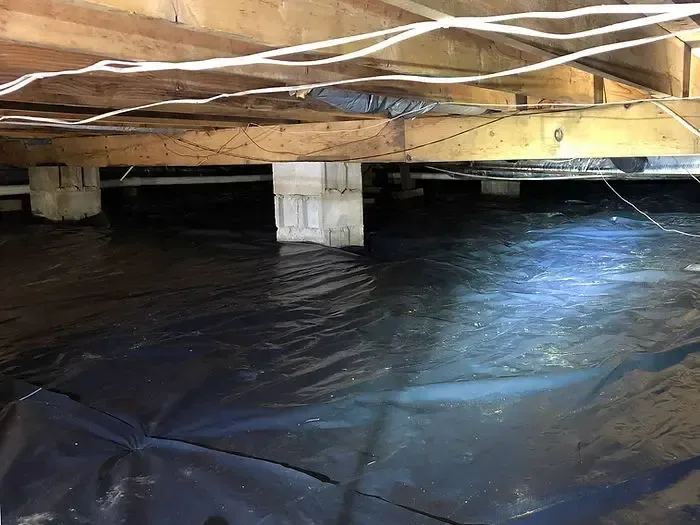
How crawl space water removal is handled
Crawl space cleanup removes water beneath a building where that space exists. The inspection addresses safe entry, water condition and wet insulation or framing before selecting methods that can reach the affected underfloor assembly.
Rapid local response
The response team prioritizes active water and asks about safe entry, continuing flow and occupied rooms. A clear description helps the assessment focus on hazards before equipment reaches the wet area.
IICRC S500 drying standard
The drying crew sets material goals against unaffected references, sizes dehumidification to the evaporation load and adjusts airflow as readings change. A dry surface alone never closes the moisture record.
Claim-ready documentation
The mitigation team records the source, affected materials, photographs and daily readings in a room-by-room scope. The insurer reviews that evidence against the policy and makes the coverage decision.
Local water experts
The technician distinguishes plumbing discharge from outside water at the actual building. Different floor assemblies, access restrictions and contents call for different drying methods, even when neighboring rooms share the same leak.
First steps for crawl space water removal
- Keep the hatch undisturbed
Avoid entering a flooded crawl space alone. Standing water, utilities and limited movement require assessment before the opening becomes a route for personnel or equipment.
- Describe the access arrangement
Identify whether the hatch opens inside or outside the building and whether stored belongings obstruct it. The removal plan needs a practical route for hoses and any affected material leaving the space.
- Report signs above the space
Note damp floor edges, plumbing changes or odors noticed in the occupied rooms without entering below. Those observations help connect the underfloor survey with the building's visible symptoms.
- Coordinate the source assessment
A repair professional should investigate the plumbing or entry responsible for continued water. Keeping the findings with the cleanup scope helps explain the timing of removal and later structural drying.
What does crawl space water removal cost in Palmer Lake, CO?
Crawl space removal in Palmer Lake varies with entry restrictions, water condition and wet insulation. The estimate should account for equipment reach and underfloor material access, with source correction and replacement insulation described as separate tasks.
Accessible localized water
$1,500 to $2,800
- Practical hatch access
- Limited pool removal
- Nearby framing checks
Wet framing and insulation
$2,800 to $6,000
- Underfloor material opening
- Insulation handling needs
- Targeted structural airflow
Restricted or contaminated space
$6,000 to $10,000+
- Controlled entry planning
- Difficult equipment reach
- Expanded surface treatment
Category, wet square footage, material class and the delay before drying change the scope. The water damage cost calculator gives an estimate only; the inspection establishes the work.
Documentation for your insurance claim
The restoration team assembles timestamped photographs, a moisture map, daily psychrometric logs and a room-by-room scope. Sudden accidental water damage, long-term leakage and outside flooding can receive different treatment. The property owner checks the policy with the insurer; documentation supports review without promising payment for mitigation, access or plumbing repair.
The crawl space water removal process
Evaluate the underfloor approach
The assessment examines the hatch, working clearance and affected utilities before personnel enter. It establishes the equipment route and determines how to inspect areas that are not visible from the opening alone.
Collect liquid across the footprint
Removal follows the actual low areas rather than ending at the entrance pool. The survey records separated pockets, continued inflow and materials contacting the water so later cleaning and access decisions reflect the whole affected space.
Expose retained framing for treatment
Unsuitable insulation or other obstructing layers receive a removal decision. Retained surfaces then receive appropriate cleaning and drying access, with the underside of the floor assessed independently from lower supports and surrounding surfaces.
Document what remains beneath the rooms
Progress photographs and material readings make the concealed work understandable. The closing account identifies dry retained members, removed layers and outstanding repairs so insulation replacement or hatch closure follows a clear underfloor assessment.
Inside the crawl space water removal assessment
The hatch opening provides only a partial view of a wet crawl space. Water may collect behind supports, below insulation or at a low area farther beneath the room. For a Palmer Lake property with this type of access, the initial plan should establish entry conditions before removal equipment is positioned.
Assess the workspace before the water depth
Pike National Forest borders the town on the west, and Greenland Open Space Preserve borders it on the north. At a property described using those references, the useful inspection details are the hatch location, clearance and utilities within the space. A person should not enter standing underfloor water simply to estimate how much is present.
- Wet electrical components and restricted movement can make entry unsuitable until professional assessment occurs.
- Loose insulation can conceal water, debris and the condition of framing behind it.
- The hatch route should allow equipment and removed materials to move without contaminating occupied rooms.
Remove water without overlooking isolated pockets
County Line Road provides access to the recreation area. Inside a nearby building's crawl space, supports and changes in the ground surface determine how removal proceeds. A pump at the easiest entrance may leave liquid in disconnected low areas, so the plan needs a way to inspect the full affected footprint.
The source also requires attention. A plumbing release, drain problem or exterior entry calls for its own corrective work. Restoration planning should identify ongoing inflow and coordinate the repair so a newly cleared pocket does not refill during the drying stage.
- Water condition determines the handling of contacted insulation and other porous materials.
- Retained framing needs exposed surfaces where readings and airflow can reach the wet areas.
- The underside of the floor should be checked separately from supports and lower surfaces.
The hatch position and visible water conditions help establish the first access assessment. Mention any utility equipment or stored belongings that restrict the route beneath the building.
(888) 532-8620Review the crawl space approachMake the underfloor drying record accessible
An owner may be unable to inspect the space personally. Photographs and a clear diagram of wet areas help explain the material decisions and equipment arrangement. The record should distinguish water removed from moisture still held in retained structural members.
Repeat checks show whether the accessible assembly is responding to drying. Persistent dampness can require changed access or further source investigation. The handoff should identify removed insulation, any remaining entry repair and the condition of the underfloor materials before the space is closed or replacement layers are installed.
Safe access comes first
The response team assesses electrical contact, unstable ceilings and contaminated water before extraction begins. Occupants keep clear of affected rooms until the hazards have been checked. A plumber isolates an active supply failure; drying follows source control and inspection of the materials beneath the visible damage.
Property owners can review flood safety precautions and EPA indoor air information alongside the onsite assessment.
Crawl space water removal in Palmer Lake
Palmer Lake lies between Pike National Forest to the west and the I-25 corridor to the east. County Line Road serves recreation area access. Underfloor water assessments require the hatch location and the actual crawl space configuration at the affected property.
The same service nearby: crawl space water removal in Monument, Castle Rock, Castle Pines.
Related water damage services in Palmer Lake



Crawl Space Water Removal questions in Palmer Lake, CO
Discuss the wet materials
The hatch position and visible water conditions help establish the first access assessment. Mention any utility equipment or stored belongings that restrict the route beneath the building.
(888) 532-8620Review the crawl space approachShould the owner enter to take photographs?
A flooded crawl space needs an entry assessment because water, utilities and restricted movement can create hazards. Photographs can be obtained as part of controlled inspection. Describing the hatch and visible symptoms from outside the space is a useful starting point.
Can one pump reach every wet area?
The space may have supports or separate low pockets that interrupt the water path. Removal needs inspection of the full affected footprint. Equipment placement should reflect those conditions and include a way to verify that isolated standing water has been reached.
What happens to hanging wet insulation?
Its exposure, condition and effect on drying access determine the handling decision. Wet insulation can conceal framing and hold moisture against the floor assembly. The scope should explain removal needs and document the condition of the retained structure behind it.
Can the occupied floor remain wet from below?
Moisture can affect the underside of a floor assembly even when its top surface looks normal. Inspection should evaluate those layers separately. The drying plan needs access and measurements suited to the materials actually wet beneath the occupied room.
Does water removal fix the source of entry?
Removal handles the accumulated water. Plumbing repair or correction of an exterior entry is a separate task that should be coordinated with cleanup. Continued inflow needs attention before the remaining structure can be evaluated through a stable drying period.
How is completion explained when the owner cannot enter?
Photographs, notes identifying affected areas and material readings can document the concealed work. The handoff should state which layers were removed and what repairs remain. That record makes the underfloor condition understandable without requiring the owner to inspect the space personally.
Reach the water beneath the occupied floor
An underfloor plan connects safe entry, isolated water pockets and retained framing that needs accessible cleaning or drying.
(888) 532-8620Arrange underfloor removal assessment