Ceiling Leak Water Damage in Palmer Lake
A swollen ceiling changes how the room below can be used. Ceiling leak cleanup in Palmer Lake protects that space first, then examines trapped water, wet insulation and the source feeding the overhead cavity.
(888) 532-8620Discuss the swollen ceiling area
How ceiling leak water damage is handled
Ceiling restoration addresses both the unstable finish and the wet assembly behind it. The assessment identifies safe access, source repair needs and which remaining materials can be dried before the opening is reconstructed.
Rapid local response
The response team prioritizes active water and asks about safe entry, continuing flow and occupied rooms. A clear description helps the assessment focus on hazards before equipment reaches the wet area.
IICRC S500 drying standard
The drying crew sets material goals against unaffected references, sizes dehumidification to the evaporation load and adjusts airflow as readings change. A dry surface alone never closes the moisture record.
Claim-ready documentation
The mitigation team records the source, affected materials, photographs and daily readings in a room-by-room scope. The insurer reviews that evidence against the policy and makes the coverage decision.
Local water experts
The technician distinguishes plumbing discharge from outside water at the actual building. Different floor assemblies, access restrictions and contents call for different drying methods, even when neighboring rooms share the same leak.
First steps for ceiling leak water damage
- Restrict the area underneath
Keep people away from sagging or softened ceiling material. Avoid placing containers or furniture beneath an unstable section if doing so requires entering the area that may fail.
- Describe the upper room
Identify plumbing fixtures, appliances or roof space above the stain when that information is available. The source assessment needs the actual building layout alongside the visible ceiling symptom.
- Record changing overhead marks
Photographs from a safe position can show new staining or movement at joints. Keep notes about any continuing drip without touching or puncturing the damaged ceiling board.
- Coordinate access around the room
Explain whether the affected ceiling blocks a hallway, entrance or work area. A protected access plan should be established before contents move and controlled removal begins overhead.
What does ceiling leak water damage cost in Palmer Lake, CO?
Ceiling leak cleanup in Palmer Lake depends on cavity access, insulation saturation and the spread between bays. Electrical assessment, source repair and finish reconstruction should be distinguished from the removal and drying portion of the scope.
Single affected bay
$900 to $1,800
- Focused cavity opening
- Localized board removal
- Accessible framing checks
Room ceiling and insulation
$1,800 to $4,500
- Broader overhead access
- Wet insulation handling
- Retained structure drying
Multiple connected cavities
$4,500 to $8,000+
- Adjoining bay inspection
- Extended removal boundary
- Multiple monitoring locations
Category, wet square footage, material class and the delay before drying change the scope. The water damage cost calculator gives an estimate only; the inspection establishes the work.
Documentation for your insurance claim
The restoration team assembles timestamped photographs, a moisture map, daily psychrometric logs and a room-by-room scope. Sudden accidental water damage, long-term leakage and outside flooding can receive different treatment. The property owner checks the policy with the insurer; documentation supports review without promising payment for mitigation, access or plumbing repair.
The ceiling leak water damage process
Evaluate the occupied area below
The assessment starts with ceiling stability, electrical exposure and the route through the room. Those findings determine the restricted area and how inspection or removal can proceed above protected contents.
Reveal the wet ceiling assembly
Controlled access exposes trapped water and damaged layers while preserving useful photographs of the cavity. The survey expands into neighboring bays where material checks indicate that water moved beyond the original mark.
Address the retained overhead materials
After the source and unsuitable layers are handled, equipment targets the remaining wet structure. Readings compare progress across accessible locations so a dry ceiling edge does not conceal moisture deeper in the assembly.
Explain what rebuilding requires
The repair handoff lists removed layers, source findings and final moisture observations. It identifies openings still needing insulation or ceiling board, allowing the finish work to follow a documented assessment of the retained assembly.
Inside the ceiling leak water damage assessment
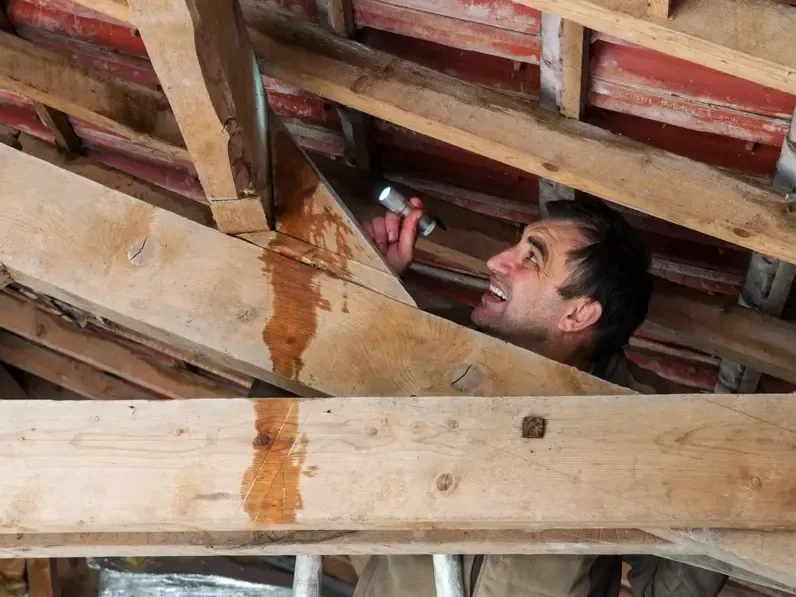
A ceiling can hold water after the first drip disappears. Soft board, a widening stain or a changed joint may indicate that the assembly above remains wet. In Palmer Lake, the inspection should define a safe area below the symptom and identify an access method before anyone disturbs the overhead finish.
Start with the room beneath the leak
The downtown town hall and Palmer Lake Branch Library are civic reference points, while Colorado Highway 105 includes restaurants and coffee shops. In a home or occupied business nearby, a ceiling problem can interrupt a passageway as well as the room itself. The assessment should account for that access change before equipment or removal work begins.
- Furniture below weakened board may need protection or relocation after the overhead condition is assessed.
- Light fittings and other electrical components require appropriate evaluation when water has reached them.
- A blocked hallway needs an alternative route that stays outside the affected overhead area.
Determine what is feeding the cavity
An upstairs supply connection, fixture drain or roof entry can produce similar marks on the finished ceiling. Source investigation identifies the actual release. The restoration survey then checks neighboring bays and wall intersections to establish how far the water spread before it appeared below.
The Tri-Lakes Center for the Arts hosts exhibitions and concerts. For any building with scheduled use, a clear account of restricted rooms and needed access helps the responsible person coordinate the work. The material decisions still depend on the ceiling's construction, condition and water exposure.
- Waterlogged insulation may need removal so retained framing can be inspected and reached by airflow.
- Damaged board edges should be distinguished from sound finishes beyond the moisture boundary.
- Penetrations through the ceiling can connect the wet bay to adjoining enclosed spaces.
Describe the ceiling's shape, the room above and any blocked access below. Those details help establish the first inspection priorities for an overhead water problem.
(888) 532-8620Review the affected ceiling cavityDry the opening before rebuilding its finish
Controlled opening exposes the cavity and allows the assessment to move beyond surface appearance. The drying arrangement should reach the wet assembly while preserving safe circulation outside the restricted work area. Readings at the retained materials show whether additional access or equipment changes are needed.
The handoff for reconstruction should identify the repaired source, removed ceiling layers and remaining dry structure. Photographs taken while the cavity is open can help explain its layout and the work completed. Patch size and decoration can then be discussed with the finish contractor after the concealed moisture has been addressed.
Safe access comes first
The response team assesses electrical contact, unstable ceilings and contaminated water before extraction begins. Occupants keep clear of affected rooms until the hazards have been checked. A plumber isolates an active supply failure; drying follows source control and inspection of the materials beneath the visible damage.
Property owners can review flood safety precautions and EPA indoor air information alongside the onsite assessment.
Ceiling leak water damage in Palmer Lake
Downtown Palmer Lake includes civic buildings and businesses along Colorado Highway 105. The Tri-Lakes Center for the Arts provides another recognizable location reference. A ceiling assessment additionally needs the room layout, upper level access and any blocked passage described.
The same service nearby: ceiling leak water damage in Monument, Castle Rock, Castle Pines.
Related water damage services in Palmer Lake

Ceiling Leak Water Damage questions in Palmer Lake, CO
Discuss the wet materials
Describe the ceiling's shape, the room above and any blocked access below. Those details help establish the first inspection priorities for an overhead water problem.
(888) 532-8620Review the affected ceiling cavityDoes a small stain mean only a small ceiling repair?
The visible mark may be smaller than the wet cavity above it. Inspection checks adjacent board, insulation and framing to establish the affected boundary. Removal and drying decisions should follow that assessment rather than the stain's appearance alone.
Should a bulge be punctured to release the water?
Disturbing a loaded ceiling can cause an uncontrolled release and falling material. The area beneath it should remain restricted until its condition is assessed. Controlled access should account for trapped water, electrical components and the stability of adjoining finishes.
Can an upstairs fixture cause a downstairs ceiling leak?
Yes, supply or drain components above a ceiling can release water into the floor assembly. The repair professional identifies the failed connection. Restoration inspection follows the resulting spread through cavities and checks whether neighboring rooms or wall intersections were also affected.
Why might insulation need removal above the stain?
Saturated insulation can hold water against framing and obstruct drying access. Its exposure and condition determine whether it remains. The scope should explain the material decision and show how the wet surfaces behind it will be evaluated and dried.
Can the room be used while the ceiling dries?
Use depends on overhead stability, water condition, electrical findings and equipment access. Some spaces need continued restriction during opening and drying. The work plan should clearly identify safe routes and the areas that remain unavailable until the relevant conditions are addressed.
What indicates the ceiling is ready for patching?
The source needs to be addressed and retained materials checked against the drying goals. The record should identify removed layers and any remaining issue. That information lets the repair contractor plan insulation, board and decoration around the actual condition of the cavity.
Restore safe use beneath the leak
The assessment connects controlled ceiling access with source repair, retained material drying and a clear plan for rebuilding the finish.
(888) 532-8620Arrange an overhead room assessment