Water Heater Leak Cleanup in Palmer Lake
Water beside a heater can disappear beneath flooring while the tank remains in place. Palmer Lake cleanup examines the equipment area and adjoining finishes, coordinating safe source repair with access to the materials holding moisture.
(888) 532-8620Assess water around the heater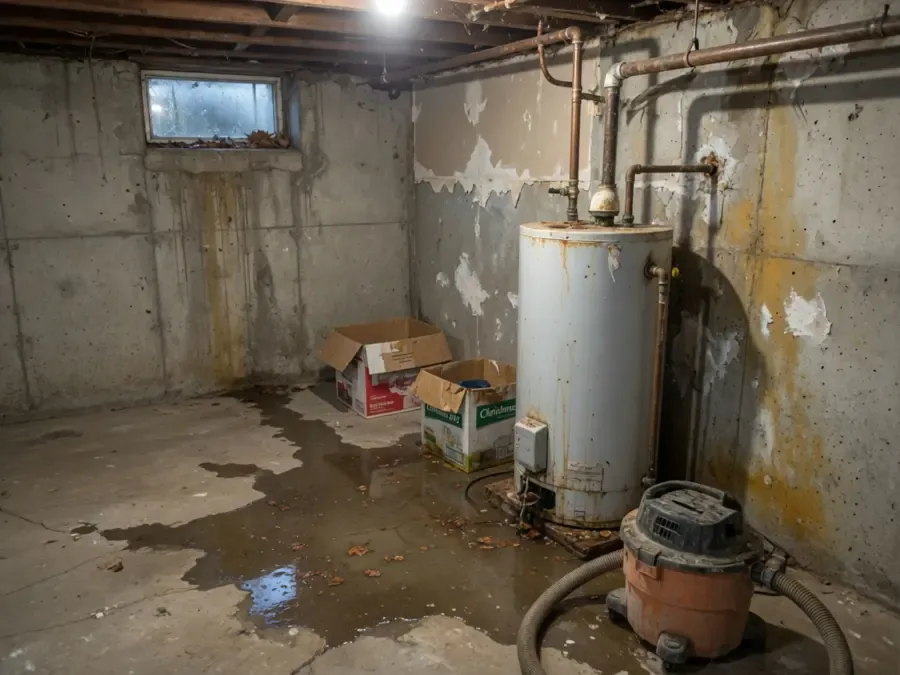
How water heater leak cleanup is handled
Heater leak restoration focuses on water that escaped into the building. The assessment checks nearby wall bases, floor transitions and enclosed recesses while a qualified repairer addresses the heater, supply connections and equipment controls.
Rapid local response
The response team prioritizes active water and asks about safe entry, continuing flow and occupied rooms. A clear description helps the assessment focus on hazards before equipment reaches the wet area.
IICRC S500 drying standard
The drying crew sets material goals against unaffected references, sizes dehumidification to the evaporation load and adjusts airflow as readings change. A dry surface alone never closes the moisture record.
Claim-ready documentation
The mitigation team records the source, affected materials, photographs and daily readings in a room-by-room scope. The insurer reviews that evidence against the policy and makes the coverage decision.
Local water experts
The technician distinguishes plumbing discharge from outside water at the actual building. Different floor assemblies, access restrictions and contents call for different drying methods, even when neighboring rooms share the same leak.
First steps for water heater leak cleanup
- Keep the equipment area clear
Avoid contact with hot water or wet electrical components. The appropriate professional should establish safe equipment isolation before inspection or contents movement begins beside the unit.
- Record the visible escape route
Photograph water at the tank base, thresholds and neighboring walls from a safe location. Note which floor coverings were reached and whether the puddle continues to grow.
- Identify repair access restrictions
Describe stairs, a narrow enclosure or storage around the heater. These details help coordinate equipment service with the separate work needed to expose and dry affected building materials.
- Retain the component findings
Keep the heater repair paperwork with the cleanup record. The source findings and moisture survey together explain why the restoration area may extend beyond the equipment footprint.
What does water heater leak cleanup cost in Palmer Lake, CO?
Water heater cleanup costs in Palmer Lake depend on the escaped volume, concealed floor spread and access beneath or behind the unit. Heater replacement and plumbing work should appear separately from building material removal, drying and finish repairs.
Contained tank-area spill
$700 to $1,500
- Accessible liquid removal
- Tank perimeter checks
- Limited floor drying
Walls and adjoining flooring
$1,500 to $3,500
- Threshold moisture survey
- Wall base access
- Connected room treatment
Concealed or extended spread
$3,500 to $6,500+
- Enclosure access changes
- Hidden layer inspection
- Expanded drying monitoring
Category, wet square footage, material class and the delay before drying change the scope. The water damage cost calculator gives an estimate only; the inspection establishes the work.
Documentation for your insurance claim
The restoration team assembles timestamped photographs, a moisture map, daily psychrometric logs and a room-by-room scope. Sudden accidental water damage, long-term leakage and outside flooding can receive different treatment. The property owner checks the policy with the insurer; documentation supports review without promising payment for mitigation, access or plumbing repair.
The water heater leak cleanup process
Coordinate isolation and room inspection
The equipment repairer establishes safe heater handling while the restoration survey identifies affected flooring and partitions. Both tasks need a clear route to the unit and a shared understanding of access restrictions.
Remove water from connected spaces
Extraction follows the spill across the equipment area and into adjoining floor transitions. Moving accessible contents can reveal additional wet edges, which are recorded before the drying boundary is finalized for the room.
Expose and dry obstructed materials
Selective access addresses layers hidden by trim, enclosures or the equipment position. The arrangement must reach retained wet surfaces and remain compatible with the heater repair or replacement sequence being planned.
Close the equipment area record
Final observations identify the condition of the floor and wall materials, along with any finish work awaiting repair. The documentation keeps building restoration distinct from the heater service and explains the remaining access needs.
Inside the water heater leak cleanup assessment
The water visible beside a heater may represent only the accessible part of the spill. Flooring joints, a nearby partition and the space under a platform can hold moisture after the puddle is collected. In Palmer Lake, a useful assessment follows those connections while equipment isolation and repair are arranged separately.
Keep heater work with the appropriate repairer
Mountain reservoirs and wells supply the town's water. A leak at an individual heater needs examination of that unit and its connections. The repair professional determines the failed component and the safe method for addressing it, while the restoration scope records the building materials affected by the release.
Near County Line Road, identifying the heater's location within the building helps organize access. A narrow enclosure, stairs or stored belongings may affect equipment movement. The drying plan should allow the repairer to reach the heater without closing off wet surfaces that still need inspection.
- Water around the base can spread into trim joints and adjoining floor coverings.
- A raised support or enclosed recess may conceal wet material beneath the equipment position.
- Hot water and wet electrical components require assessment before nearby contents are handled.
Look beyond the obvious puddle
Palmer Lake Recreation Area sits below Ben Lomand Mountain. For an affected home described using those landmarks, the room survey still follows the actual flooring and wall arrangement. Moisture may move beneath a threshold into a neighboring space even when the open equipment area is easy to mop.
Floor coverings and wall bases should be checked individually. Swollen backing, soft board or damaged adhesive can change the decision about retention. A cabinet or stored container against the wet edge may also conceal a section that needs exposure before airflow can reach it.
- Measure the floor transition leading away from the heater enclosure.
- Inspect the wall face and base where pooled water remained in contact.
- Record contents that obstruct access before moving them through an unaffected room.
The heater location, nearby floor coverings and access restrictions help define the initial assessment. Describe whether water has crossed into another room or remains around the unit.
(888) 532-8620Review the tank area spreadSequence replacement and building drying together
A replacement heater should not prevent access to a wet platform or wall base. The repair and restoration scopes can coordinate that sequence so retained materials are evaluated before they are enclosed by equipment or finishes.
After liquid removal, targeted drying and repeat checks address the remaining moisture. The final record should distinguish the heater work from the dry building assembly and the finish repairs still needed. That separation makes the owner aware of each remaining task around the equipment area.
Safe access comes first
The response team assesses electrical contact, unstable ceilings and contaminated water before extraction begins. Occupants keep clear of affected rooms until the hazards have been checked. A plumber isolates an active supply failure; drying follows source control and inspection of the materials beneath the visible damage.
Property owners can review flood safety precautions and EPA indoor air information alongside the onsite assessment.
Water heater leak cleanup in Palmer Lake
Palmer Lake draws town water from reservoirs and wells. County Line Road reaches the recreation area at Ben Lomand Mountain, and Colorado Highway 105 serves downtown. Heater cleanup assessment needs the equipment location, surrounding finishes and any constrained access identified.
The same service nearby: water heater leak cleanup in Monument, Castle Rock, Castle Pines.
Related water damage services in Palmer Lake


Water Heater Leak Cleanup questions in Palmer Lake, CO
Discuss the wet materials
The heater location, nearby floor coverings and access restrictions help define the initial assessment. Describe whether water has crossed into another room or remains around the unit.
(888) 532-8620Review the tank area spreadDoes the tank itself always cause water at its base?
The heater and its connected components need inspection to identify the source. A qualified repairer determines the failed part and appropriate correction. Restoration assessment separately follows the escaped water into the floor, nearby walls and any enclosed space beneath the equipment.
Can the unit stay in place while the room dries?
That depends on access to the wet materials and the equipment repair plan. Some surfaces remain reachable, while others may be obstructed by the unit or enclosure. The scopes should coordinate movement and replacement so wet building layers are not concealed prematurely.
Why inspect the next room after a contained looking spill?
Water can pass beneath a threshold or floor covering without leaving a continuous visible puddle. Checks at adjoining transitions establish whether the drying area needs to extend. The assessment follows material readings rather than stopping at the edge of the equipment enclosure.
Should a nearby floor drain make cleanup unnecessary?
A drain may collect some water while surrounding finishes still become wet. The floor, wall bases and enclosed recesses need assessment after the release. Inspection of absorbent layers and the substrate establishes what remains wet beneath the finished surface.
Does the restoration estimate include a replacement heater?
The written scope should identify heater repair or replacement separately from cleanup. Building restoration can include extraction, selective removal and drying of affected materials. Separating those tasks helps the owner understand responsibilities and coordinate the sequence around the equipment area.
What should be checked before new trim is installed?
The wall base and adjoining floor materials should be evaluated after the source is addressed. Final moisture observations and removal photographs support that decision. New trim belongs after retained surfaces have met the drying goals and any required substrate preparation is arranged.
Keep replacement access and drying coordinated
A material survey follows escaped heater water into neighboring assemblies and identifies what needs attention before equipment or finishes close the area.
(888) 532-8620Arrange heater spill evaluation