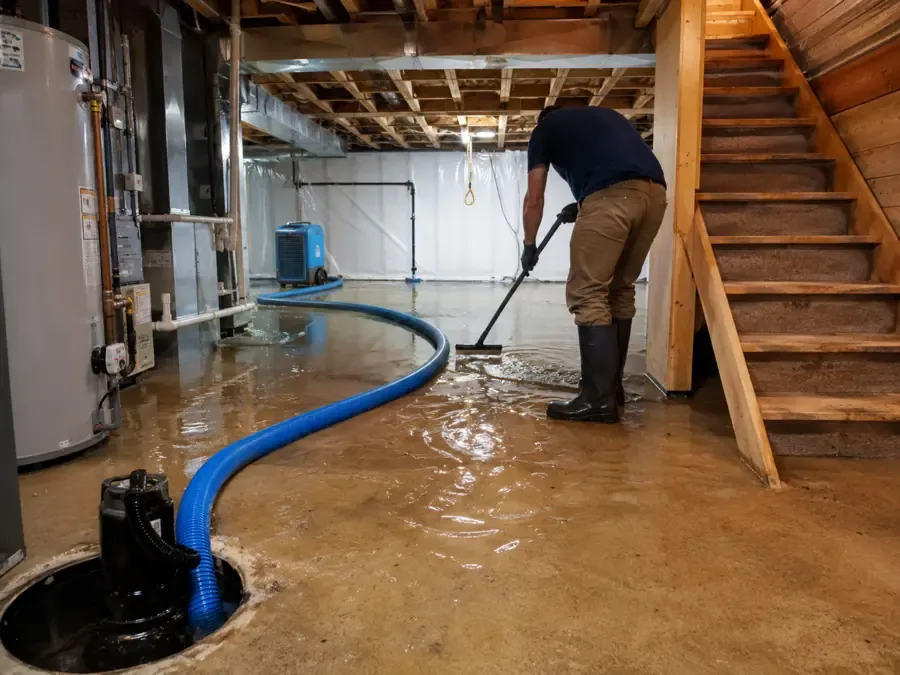
Parker describes stormwater as runoff from rain and melting snow or ice. The town also identifies storm drains at street corners and low points beside streets. When water collects outdoors and reaches a doorway, an owner needs both a clear report of the exterior problem and a safe plan for the affected interior.
Key takeaways
- Report standing water and nuisance flows to Engineering/Public Works.
- Observe outdoor water from a safe position without entering moving runoff.
- Record the entry point and the rooms reached by water.
- Treat sediment and wet absorbent finishes as part of the cleanup assessment.
- Keep drainage reporting separate from the indoor material drying record.
Watch the route across the surface
The town explains that impervious surfaces reduce rainfall absorption and increase runoff. The same outdoor survey should note pavement, low areas and the visible direction of water movement around the affected property.
An owner can describe those observations without entering standing water or trying to reach a street drain.
A photograph is more useful when it shows where water is coming from and where it is collecting. Safe views of the approach to a door or lower opening can help the later inspection.
The record should also identify whether movement was continuing when the image was captured.
Cherry Creek flows through Parker, but an indoor cleanup begins at the actual entry into the building. A threshold deposit, wet lower trim or visible flow through an opening gives the crew a specific place to investigate.
The runoff cleanup service follows that path into the affected rooms.
- Photograph outdoor pooling from dry footing.
- Include the surrounding pavement or ground in the view.
- Record whether water is moving toward an opening.
- Keep people away from submerged drains and unstable edges.
Make a report that identifies the outdoor problem
Residents can report standing water and nuisance stormwater flows to the Department of Engineering/Public Works. A useful report identifies the location, the observed direction of flow and whether the condition is ongoing.
Photographs can show the relationship between a low point and the water collecting nearby.
The Parker Stormwater Utility plans, constructs and maintains stormwater systems within the town. The reporting record can include the contact date and any response received.
That information belongs with the outdoor observations so a later discussion can refer to the same location and condition.
Inside the property, mitigation should continue to follow safe access and the water already present. The owner can coordinate the municipal report while a restoration technician assesses wet finishes.
Keeping these tasks organized prevents the interior record from becoming a substitute for a clear description of the exterior concern.
Protect the doorway and the clean route
A wet entrance can make the normal path through a home unsafe. Occupants should use a dry alternative where available and keep children and pets away from the affected area.
Electrical exposure, slippery surfaces and loose materials require assessment before belongings are retrieved through the wet doorway.
A cleanup route should avoid carrying dirty water across unaffected flooring. The crew can plan temporary protection and a staging area before moving absorbent contents.
This matters particularly where the affected entry connects directly to rooms still being used by the household.
The threshold itself should remain available for inspection. Moving a mat may reveal a deposit or wet seam that was previously hidden, so its original position is worth documenting.
The survey then checks the adjoining trim and floor edges to see how far the entry water traveled.
- Identify an alternate dry entrance if available.
- Keep wet mats apart from clean household storage.
- Photograph the threshold before cleanup changes its appearance.
- Preserve safe access to exits during equipment placement.
Distinguish open water from absorbed moisture
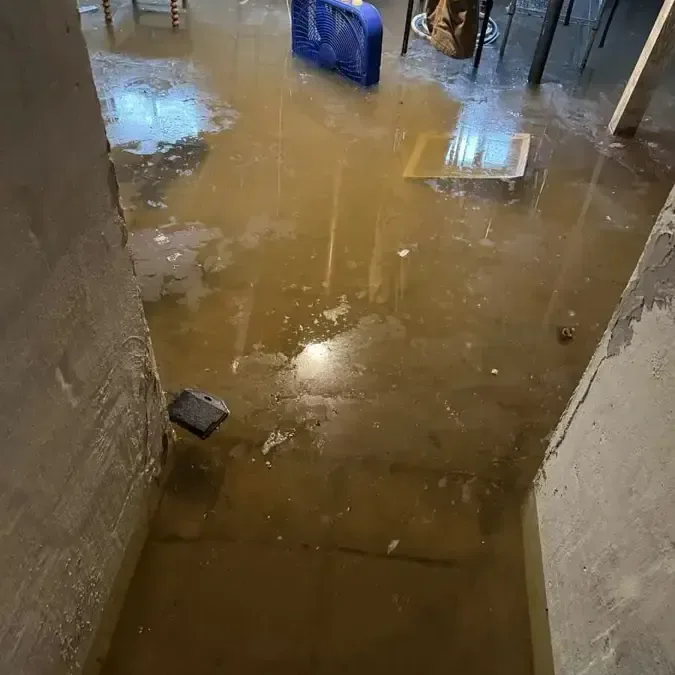
The puddle beside a doorway is only part of the removal work. Water extraction clears accessible liquid so the technician can examine the floor covering, its backing and the wall base.
Sediment left behind can identify surfaces that also need cleaning.
A finish may conceal water at its edge even after the open floor is clear. The inspection can follow seams, transitions and fixed cabinet bases along the observed route.
Each finding should identify the material and location so later drying readings correspond to the same assembly.
Absorbent contents also need individual decisions based on wetting and contamination. A saturated storage box, an upholstered item and a washable hard object present different cleanup questions.
Sorting by material and condition gives the owner a more useful account than labeling an entire room's contents with one outcome.
Prepare the retained assembly for drying
Cleaning and material removal decisions should be completed before the retained surfaces receive their final drying setup. Dirty water trapped behind a finish may require controlled access.
The technician records what is opened, what is found and why a particular material is retained or removed.
Structural drying then addresses the remaining moisture in accessible building materials. Air movement and dehumidification should be arranged around those surfaces while protecting clean rooms.
A closed cavity that has not been assessed needs investigation before its finish is accepted as ready for repair.
The crew should also recheck the entry when outdoor conditions change. Fresh runoff can alter the affected boundary and interrupt progress inside.
Comparing the later observation with the original threshold photograph helps identify whether the building has received additional water during the work.
- Record cleaning before equipment setup.
- Mark retained wall and floor materials for measurement.
- Check newly exposed backing after controlled removal.
- Report fresh entry separately from existing dampness.
Use changing readings to direct the next visit
A drying log should follow repeatable locations at the threshold, wall base and any connected room. A suitable unaffected comparison helps interpret the retained materials.
Indoor conditions add context, while the material readings show how the affected assembly responds over successive visits.
If a point remains wet, the technician examines possible causes instead of simply extending an unchanged setup. Access, trapped liquid and additional entry can each require a different response.
Any equipment move should identify which material or section it is intended to help.
Household observations can support that assessment. New staining, renewed drips or a change in the outdoor water pattern should be reported with a location and approximate discovery sequence.
The restoration crew can then check the relevant point without losing the connection to the original room map.
Hand off indoor repairs and outdoor follow up
The completed indoor file should identify the entry location, affected contents, cleaned surfaces, removed materials and final moisture readings. Remaining finish work can be listed by the doorway and room involved.
A repair contractor can use that account to restore the area after mitigation ends.
Outdoor follow up may involve a separate drainage or building assessment. The initial photographs and municipal reporting notes should remain available for that discussion.
They preserve conditions that may no longer be visible after runoff recedes and the entrance has been cleaned.
The owner should leave the project with an understandable division of work: the reported outdoor condition, the interior recovery and the remaining repair decisions. Each record should describe the observed problem directly.
That organization makes the next conversation useful even when a different contractor handles the exterior concern.
Questions
Who receives Parker standing water reports?
The town directs reports of standing water and nuisance stormwater flows to Engineering/Public Works. The report should identify the location and describe what the water is doing there.
Should a resident clear a submerged street drain?
People should remain away from submerged drains and moving runoff. A safe photograph and a precise report let the responsible personnel assess the condition without an occupant entering the water.
Why inspect past the entrance mat?
Water can move beneath the mat and continue through a floor seam or under nearby trim. Those edges need examination even when the visible puddle remained close to the door.
What if runoff enters again during drying?
The new entry should be documented and the affected boundary reassessed. The crew can compare fresh observations with earlier photographs and modify cleaning or drying work where needed.