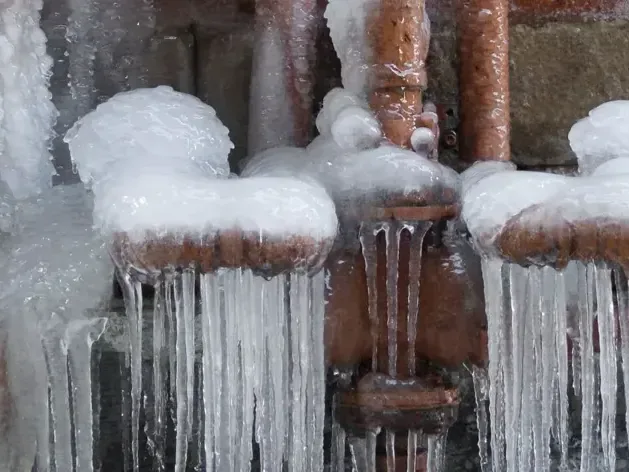
Monument sits on the southern slope of Palmer Divide, where winters are cold and snowy. When a cold exposed pipe begins leaking during a thaw, the visible drip may be only part of the damage. The immediate priorities are safe source control and an inspection that follows escaped water into the materials below and beside the pipe.
Key takeaways
- Keep people away from wet electrical equipment and unstable overhead finishes.
- Have the damaged plumbing isolated before relying on extraction to control the loss.
- Include adjoining rooms and lower ceilings in the moisture survey.
- Give each concealed wet area its own access and drying decision.
- Retain repair photographs and final material readings before finishes are closed.
Respond to the release before inspecting the cavity
A homeowner who finds running water should first establish a dry, safe route away from the affected area. An accessible water shutoff can limit further discharge when reaching it is safe.
Wet electrical controls, standing water around appliances and sagging ceilings require professional attention before entry.
The plumbing contractor needs to know whether flow is continuing and which fixture or room first showed trouble. Photographs from a safe position can capture the original drip and pooling.
The thaw leak cleanup service addresses the water already released while plumbing work corrects the source.
A change in flow after a valve closes belongs in the record. So does water that continues arriving from an upper cavity after the supply stops.
Those observations help the next technician distinguish ongoing discharge from liquid draining through an already wet assembly.
- Report the first visible wet location.
- Record which valve was operated and the observed result.
- Keep access routes clear of wet belongings.
- Leave exposed wiring and ceiling openings to qualified personnel.
Follow the route beneath the damaged pipe
A supply pipe above a room can release water into insulation, wall framing and floor layers before a stain appears. The survey therefore follows gravity and connected openings.
Inspection begins near the reported failure, then expands to surfaces that could receive water from that position.
Doorways deserve attention because water can pass beneath a threshold while the next room still looks dry. Cabinet bases and the backs of wall finishes can also conceal the edge of a release.
Measuring across those transitions gives the crew a more useful boundary than the visible puddle alone.
Monument homes near the Rampart Range and elsewhere in town need an inspection matched to the actual room. A sketch showing the pipe opening, wet surfaces and rooms below helps organize that work.
Each observation should identify the material as well as the location.
Keep plumbing access distinct from drying access
The opening needed to repair a fitting may expose only a small portion of the wet cavity. Once the plumber completes source correction, the restoration technician checks the surrounding backing, insulation and framing.
Additional access may be necessary where trapped moisture cannot be reached through the repair opening.
A useful access plan states what each opening will reveal or allow to dry. Removing a section of trim can expose a wet wall base; a ceiling opening can reveal insulation holding water.
The decision follows the material condition and water route instead of copying the size of the plumbing opening.
Before material is disturbed, photographs preserve its original condition and attachment. After access, a second set shows the newly visible layers.
Keeping those views together helps a repair contractor understand which surfaces were opened for pipe work and which were opened to address absorbed moisture.
- Label the source repair opening separately.
- Identify insulation that remains wet behind a dry surface.
- Describe the purpose of any additional opening.
- Protect adjoining finishes during controlled access.
Remove liquid before judging evaporation
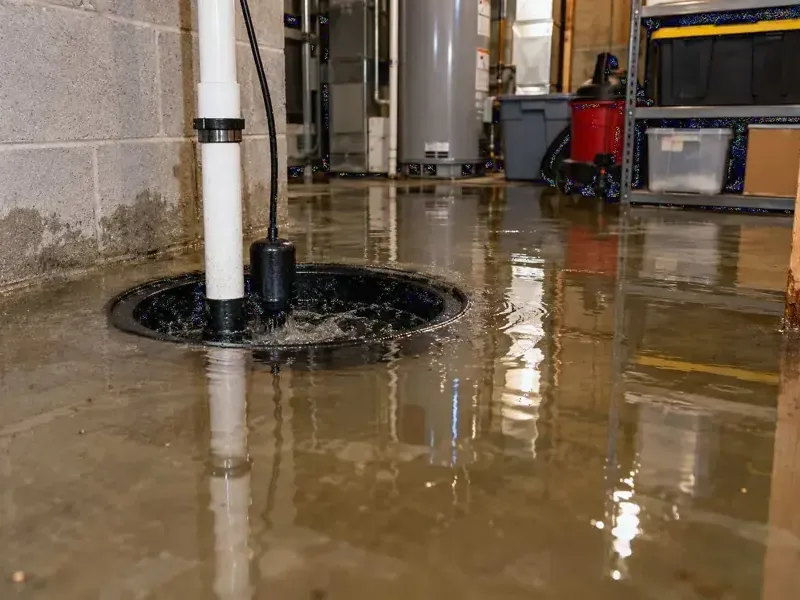
Visible water on a floor should be addressed before equipment is expected to dry the room. Water extraction removes accessible liquid and allows a clearer examination of seams, wall edges and fixed contents.
Water beneath a floor covering may require a different approach from water resting on its surface.
The technician also checks where liquid could collect out of sight. A low cabinet compartment, a covered threshold or the base of a partition can retain water after the central floor is cleared.
Recovering that liquid reduces the amount left for the drying system to evaporate.
Extraction findings can change the initial boundary. A floor edge that releases additional water during access should be added to the material map.
A record of where liquid was recovered is especially useful when the pipe itself was repaired before the restoration crew arrived.
Measure surfaces that respond at different speeds
Wallboard, framing and flooring do not necessarily reach their drying targets together. Readings should follow individual materials at repeatable positions, including a suitable unaffected comparison.
A room can feel comfortable while a concealed layer still needs attention, so room air and material measurements have separate roles.
During structural drying, equipment placement reflects the exposed wet surfaces and the available air path. Dehumidification manages moisture released into the room.
Air movement must reach the intended assembly without pushing debris into clean space or disturbing loose finishes.
A point that stops improving calls for investigation of the remaining moisture path. The crew may need to reassess access, equipment position or continued source activity.
Recording both the change and the reason makes the drying log useful to someone who was not present during the adjustment.
- Return to the same labeled measurement points.
- Track concealed framing separately from its finish.
- Document room conditions with the material readings.
- Explain equipment changes in the project notes.
Arrange safe use of unaffected rooms
A thaw leak can interrupt normal use of a home even when only part of the building is wet. Occupants need a clear explanation of which areas remain accessible, where equipment will operate and which openings must stay protected.
The plan should be easy to follow without moving hoses or touching controls.
Belongings moved out of a wet room should follow a clean route and retain their room identification. Items still damp should remain separate from dry storage.
The contents record can use photographs and brief descriptions so later sorting does not depend on remembering where each item originally stood.
The household should also know whom to contact if fresh dripping, a new stain or an equipment interruption appears. That report can direct another inspection of the affected assembly.
A drying arrangement should be reviewed whenever the observed water pattern changes rather than assumed to remain correct.
Complete the cavity record before finish repair
The final inspection returns to the original wet locations and checks the retained materials. Photographs should show the completed pipe repair where visible, the accessible cavity and the condition of surfaces that will stay.
Remaining reconstruction work can then be described by room and material.
The owner benefits from a clear separation between plumbing repair, water removal, material removal and drying. Each part answers a different question about the loss.
Combining them in a single vague description makes it harder to understand why an opening remains or why equipment operated in an adjoining room.
Before closure, the repair contractor should receive the moisture endpoint and the list of materials left exposed. Any continuing source concern requires attention before fresh finishes cover the area.
A complete handoff connects the initial release to the final condition without promising a fixed drying duration.
Questions
Why can water appear after the pipe has been shut off?
Liquid already held above a ceiling or inside a wall can continue draining after the supply is isolated. The inspection tracks that stored water and checks whether any separate active source remains.
Does a small pipe opening expose everything that needs drying?
The wet area can extend along framing or into insulation beyond the plumbing access. Additional examination identifies the surfaces that still need exposure or treatment.
Should a homeowner move the drying equipment?
Placement should remain under the restoration crew's control. A blocked walkway or changed room use should be reported so the setup can be adjusted safely and documented.
What belongs in the repair handoff?
Useful records include the source correction, retained material measurements, photographs of open assemblies and a room specific list of finish work still required.