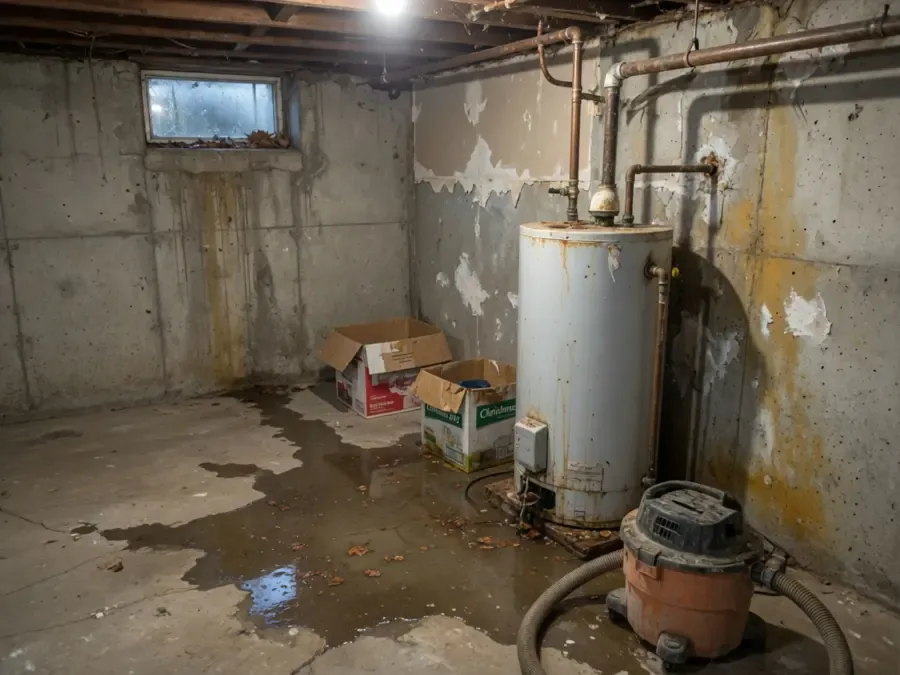
Castle Pines requires a municipal permit for water heater replacement. A leaking tank also creates a separate task: assessing the floor, platform and surrounding finishes that received escaped water. Coordinating the replacement with drying access helps the owner avoid covering a wet footprint beneath new equipment or losing the record of what was damaged.
Key takeaways
- Have the responsible trade make the leaking heater safe before equipment is moved.
- Keep replacement permit records with the plumbing work.
- Inspect the platform and floor after the old tank is removed.
- Coordinate installation around access needed for retained wet materials.
- Photograph the prepared footprint before the replacement conceals it.
Identify the leaking component and the immediate hazards
Water beside a heater can come from the tank, a connection or another nearby source. The repair professional should identify the component before selecting the correction.
Occupants should avoid standing water around electrical equipment and leave appliance controls, energy isolation and heavy tank handling to the appropriate trade.
The restoration crew needs the observed water path and whether discharge remains active. A safe photograph can show pooling around the base and the surrounding finish.
The heater leak cleanup service addresses the escaped liquid and wet building materials alongside the source repair.
An owner can gather the appliance information and any earlier photographs without entering an unsafe area. Notes about when the water first appeared and whether it spread into another room are useful.
Those details let the inspection begin with a clear sequence instead of treating every damp surface as a separate incident.
- Report whether water is still emerging.
- Keep the route to the heater clear when safe.
- Leave tank movement to the responsible contractor.
- Photograph nearby wall and floor edges before access changes them.
Keep the permit attached to the replacement scope
The City of Castle Pines lists water heater replacement in its permit categories and accepts building permit applications online. The replacement contractor should coordinate that requirement with the proposed installation.
The owner's project folder can retain the application, inspection information and final repair documents together.
Mitigation has a different record: the water boundary, liquid removed, affected materials and drying progress. Keeping those items distinct makes responsibilities easier to understand.
The plumber can explain the appliance work while the restoration technician explains the condition of the surrounding platform, wall and floor.
If additional water or sewer pipe repair becomes part of the job, the city also identifies that work as a permit category. The contractor should describe the actual repair scope when addressing the permit.
The indoor drying plan follows the materials affected by the release and the access available around them.
Use tank removal to examine the hidden footprint
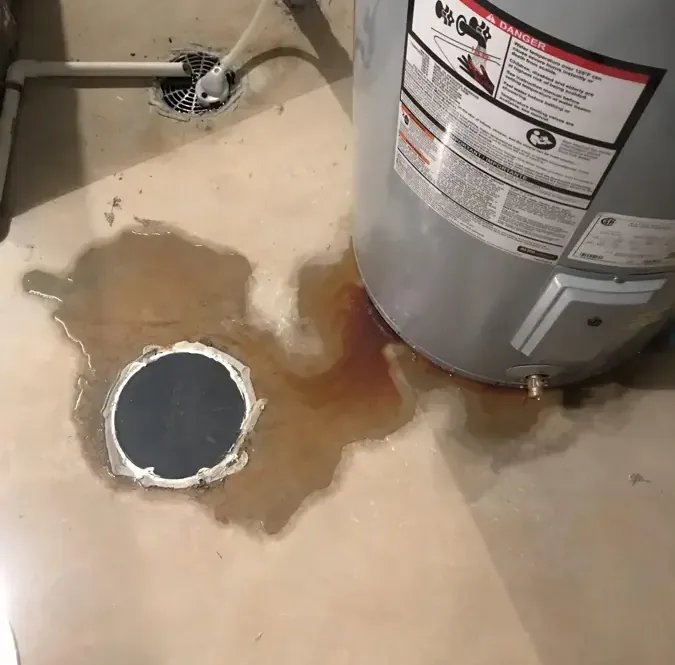
The floor directly under a heater can be difficult to assess while the appliance remains in place. Once the responsible trade removes it, the newly exposed footprint should be photographed and inspected.
Water marks, damp backing and the condition of a supporting platform can then be recorded before replacement begins.
A drain pan or nearby floor drain may also deserve examination by the appropriate contractor. Their presence should be documented along with the route the water actually took.
The restoration crew can inspect around the base rather than assume that every part of the release reached the drain.
This access window is useful for checking adjoining wall bases and nearby enclosed corners. A small mechanical area may connect to a finished room through a doorway or partition.
Tracing those connections helps establish whether the cleanup remains at the heater or extends into another assembly.
- Capture the footprint immediately after removal.
- Check the platform surface and accessible edges.
- Inspect the nearest wall base and doorway.
- Record water discovered beneath a pan or covering.
Recover water from the surrounding floor assembly
The visible puddle is addressed through water extraction, with the approach chosen for the accessible surface. A hard finish, absorbent covering and exposed platform can require different handling.
The inspection should identify the actual layers before deciding what can stay for drying.
Water may have traveled beneath an adjacent floor covering even when the heater room looks contained. Edges around trim and thresholds deserve attention after the open liquid is removed.
If access reveals additional trapped water, its location should be added to the project record and the drying boundary.
Items stored beside the appliance should be checked individually. A wet cardboard container can hold moisture against the floor, while a dry item on a shelf may remain unaffected.
Sorting those contents by condition keeps the inspection area accessible and prevents damp storage from obscuring the footprint.
- Move wet storage through a planned route.
- Identify each flooring layer exposed during access.
- Recheck the edge of the puddle after extraction.
- Keep contents decisions separate from the appliance replacement invoice.
Agree on access before the new appliance arrives
A replacement schedule should account for the condition of the surface receiving the new heater. The plumber and restoration technician can coordinate the access needed to inspect or dry retained material.
An installation that conceals the only useful observation point should be discussed before the appliance is positioned.
The drying service can document the platform and surrounding finishes at repeatable locations. Where material must be removed, the opening and the reason should be recorded.
Where material remains, the plan should identify how progress will be checked after equipment and plumbing work change the space.
This coordination is especially helpful in a confined utility enclosure with little room for hoses or air movement. Safe access to controls and equipment must remain available.
The work sequence should state who is responsible for the appliance, who monitors the wet assembly and when each party needs the area.
Read the platform and walls separately
A platform surface may respond differently from framing or wallboard beside it. The moisture record should identify those materials individually and include suitable dry comparisons.
Room humidity helps describe the drying conditions, but measurements of the affected assembly show whether retained materials are progressing.
Repeated readings at the same labeled locations make changes easier to evaluate. If a point remains elevated, the crew checks whether access, residual liquid or renewed leakage needs attention.
An equipment change should be associated with the specific surface it is intended to help.
The homeowner can support the process by reporting fresh water or equipment interruptions promptly. Drying devices should remain in the agreed positions unless the crew changes the setup.
Storage should also stay clear of inspected wall bases and the appliance footprint while monitoring continues.
Close the job with both installation and moisture records
The replacement file should identify the new installation and its associated permit or inspection documents. The mitigation file should show the original water spread, access findings, material decisions and final readings.
Together they allow the owner to understand both the corrected appliance and the surrounding building condition.
A final footprint photograph is valuable when later equipment placement makes the surface difficult to see. The reconstruction list should identify any platform finish, trim or wall covering left to repair.
Clear descriptions prevent unfinished appearance from being confused with an unexplained drying problem.
For homes in Hidden Pointe and other local areas, the same closeout principle remains specific to the inspected property. The records should name the actual room and the material left there.
A useful handoff gives the next contractor enough information to finish the area without reopening questions already answered during mitigation.
Questions
Does Castle Pines require a permit for heater replacement?
The city includes water heater replacement among its permit categories. The replacement contractor should handle the applicable application and inspection coordination with the installation documents.
What can be inspected only after the tank moves?
Removal can expose the covered footprint, platform edges and portions of nearby flooring. Those areas should be assessed while access is available and before the new appliance hides them.
Why keep plumbing and drying paperwork separate?
The installation record describes the appliance correction. The mitigation record explains water spread, affected finishes and the measured condition of materials retained around the heater.
Can stored belongings delay inspection?
Wet containers or crowded shelves can block the floor and wall edges that need examination. Planned contents movement gives the crew access while keeping damp items out of clean storage.